Käsekrainer is one of the most recognisable cheese sausages from Austria and Germany: smoky, juicy and filled with melted cheese. In the UK, The Sausage Haüs offers this style as the Cheese Frankfurter, made for customers who want something richer and more memorable than a standard hot dog.
It works because the idea is simple. You get a proper smoked pork sausage with creamy Emmental inside, creating a more indulgent bite without needing complicated toppings or preparation. Whether served at home, in a pub, at an event or on a foodservice menu, Käsekrainer brings a clear point of difference: classic continental sausage flavour with melted cheese at the centre.
Last updated: June 2026

Smoky cheese inside

Easy to serve

Best with simple sides
Overview
Käsekrainer is a smoked pork sausage with melted cheese inside, best known from Austrian and southern German food culture. In the UK, The Sausage Haüs sells this style as the Cheese Frankfurter, a clearer name for customers who want a frankfurter-style sausage with Emmental cheese built in.
This guide explains how it tastes, why the cheese filling changes the eating experience, and how to serve it simply in home, retail, event and foodservice settings. It also covers practical cooking points, including reheating gently and avoiding piercing the casing so the cheese stays inside.
For chefs, caterers, showmen and food buyers, the key appeal is a premium-feeling sausage that does not need complex toppings to stand out on a menu or counter.
Key Takeaways
- Käsekrainer is a cheese-filled smoked pork sausage; The Sausage Haüs version uses Emmental and is sold in the UK as Cheese Frankfurter.
- The built-in cheese gives a richer bite than a standard hot dog, helping the product feel distinctive without complicated toppings.
- It suits pubs, cafés, events, festivals, BBQs, garden centres, farm shops and casual food counters where fast, clear menu appeal matters.
- Reheat gently and do not pierce the sausage, as high heat or puncturing can cause too much cheese to escape.
- Simple accompaniments work best: mustard, rolls, sauerkraut, potatoes, pickles, crispy onions or curry ketchup.
- For UK customers, “Cheese Frankfurter” is easier to understand, while “Käsekrainer” adds traditional Austrian and German sausage context.
What Is Käsekrainer?
Käsekrainer is a cheese-filled sausage best known from Austria and southern German food culture. The name comes from two ideas: “Käse” means cheese, while “Krainer” refers to the wider Carniolan sausage tradition from which this style developed.
This cultural travel article explores Vienna sausage-stand culture and shows how käsekrainer fits into the wider southern German food culture of the region.
What makes Käsekrainer different from a standard hot dog or frankfurter is the cheese inside the sausage itself. Small pieces of cheese are mixed into the sausage meat before cooking and smoking. When the sausage is heated, the cheese softens and melts through the centre, giving every bite a creamy, savoury finish.
The Sausage Haüs version is sold in the UK as the Cheese Frankfurter. That name is easier for British customers to understand, but the eating experience is the same: a lightly smoked pork sausage with Emmental cheese inside.
Why Käsekrainer Is Called Cheese Frankfurter in the UK
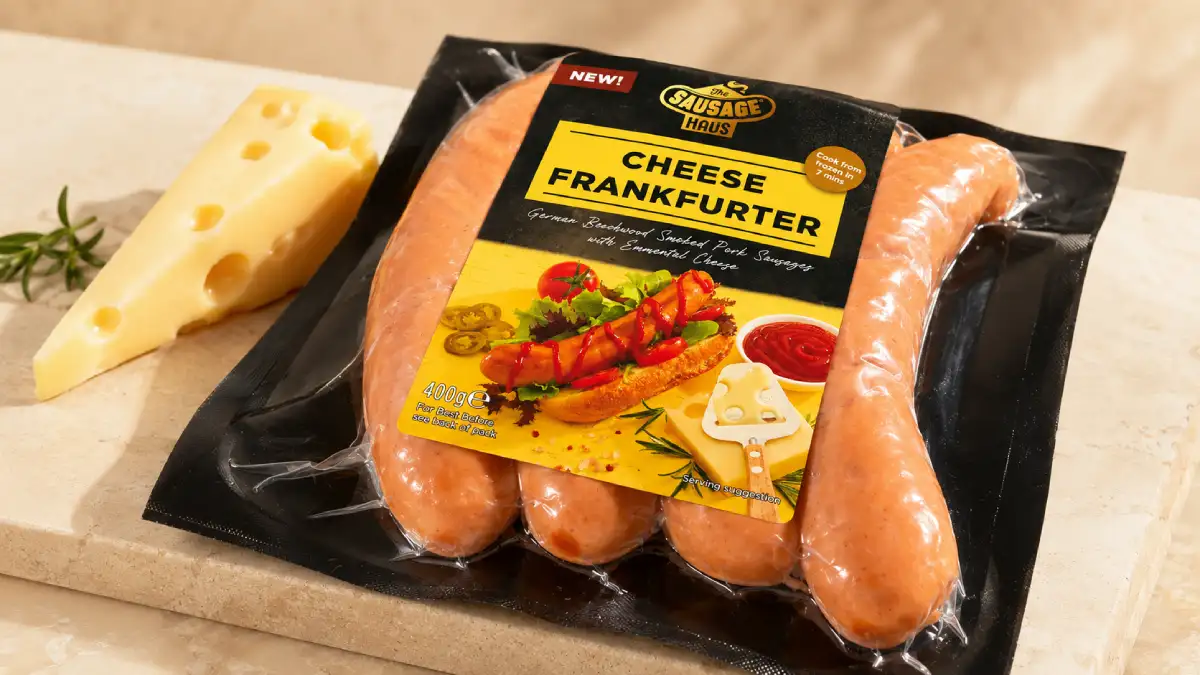
Käsekrainer is a brilliant sausage, but it is not the easiest word for UK customers to read, pronounce or recognise on a menu. Cheese Frankfurter explains the product immediately.
That matters in retail, pubs, cafés, events and foodservice. Customers do not always want a long explanation before ordering. A clear name helps them understand the offer quickly: this is a frankfurter-style sausage with cheese inside.
For The Sausage Haüs, Cheese Frankfurter is the UK-friendly name for the same indulgent Käsekrainer-style idea. It keeps the continental sausage character but makes the product easier to sell, easier to list on menus and easier for customers to remember.
What Does Käsekrainer Taste Like?
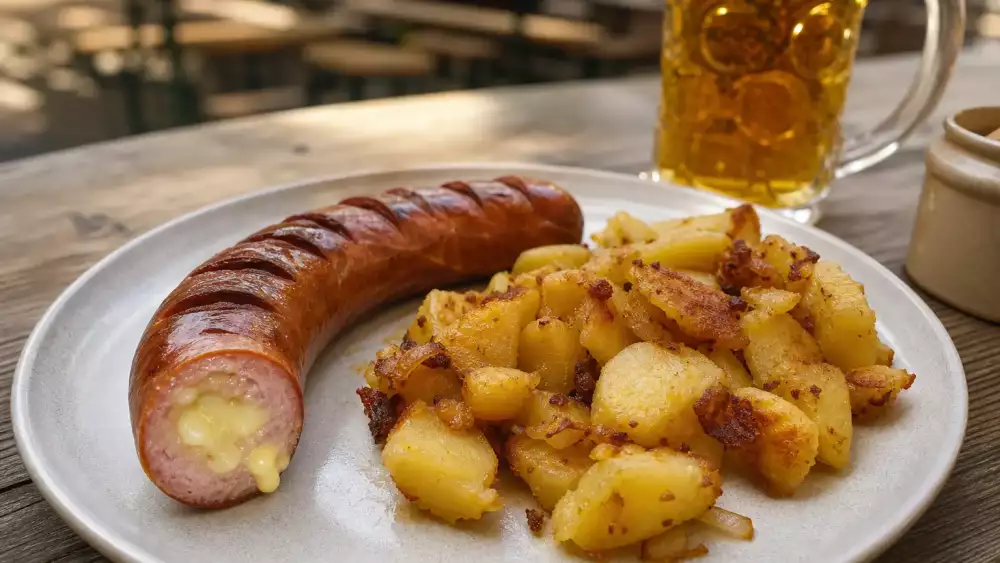
Käsekrainer has three main flavour notes: smoky, savoury and creamy.
The smoked pork gives the sausage its warm, continental flavour. The seasoning is usually mild rather than aggressive, so the sausage remains rounded and family-friendly. The Emmental cheese adds the important final layer: creamy, slightly nutty and rich without overpowering the meat.
This is why Käsekrainer works so well as a . It has more character than a plain frankfurter, but it still feels familiar. The cheese is built into the sausage, so the product feels more indulgent before any toppings are added.
Why Emmental Cheese Works So Well Inside Käsekrainer
Traditional Käsekrainer is usually made with Emmental-style cheese because it melts well and has a gentle flavour. That is important. A cheese sausage should feel creamy and balanced, not sharp, greasy or heavy.
This cultural food article explains how Glamorgan sausages use cheese for texture and flavour, which is useful context when comparing Emmental-style cheese in Käsekrainer.
Emmental gives Käsekrainer its distinctive centre without taking over the whole sausage. When heated properly, the cheese softens inside the meat and creates small pockets of richness. This gives the sausage a more satisfying bite while still allowing the smoke, pork and seasoning to come through.
For caterers and foodservice operators, this balance is useful. It means the sausage can be served simply with mustard and a roll, or built into a more premium loaded hot dog without becoming too rich.
How to Cook Käsekrainer Without Losing the Cheese
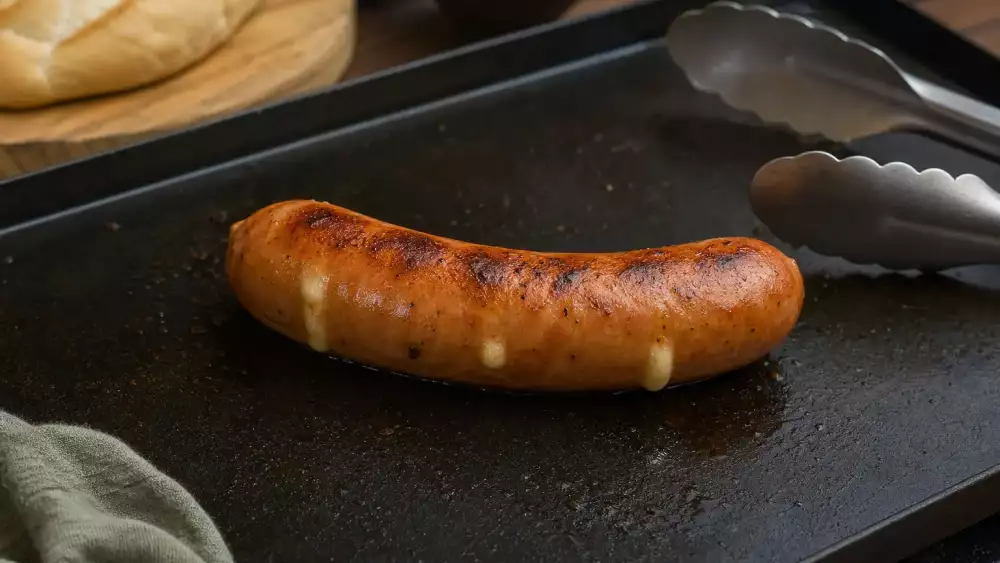
The most important rule is simple: do not pierce the sausage.
Käsekrainer contains cheese inside the casing, so aggressive heat or piercing can cause too much cheese to escape. A little bubbling or slight leakage is normal, especially on a grill, but the aim is to warm the sausage gently enough for the cheese to melt inside.
For The Sausage Haüs Cheese Frankfurter, which is already cooked, the job is reheating rather than raw cooking. Always follow the pack instructions, but these methods work well in practice.
Grill or BBQ
Use a medium heat rather than a fierce flame. Turn the sausages regularly until they are hot throughout and lightly browned on the outside. This gives the best combination of smoky aroma, colour and snap.
This is the strongest method for summer menus, beer gardens, events and BBQ-style serving. It also gives the sausage the most visual appeal.
Frying Pan or Griddle
Heat the sausage over a medium heat with a small amount of oil if needed. Turn regularly so the outside browns evenly without splitting.
This method is ideal for home kitchens, cafés, pubs and caterers who want reliable service without using a BBQ. A flat-top griddle also works well for batches because it gives good control over heat and colour.
Hot Water
For a softer finish, warm the sausage gently in hot water. The water should be hot but not boiling. Boiling can put too much pressure on the casing and increase the chance of the cheese escaping.
This method is useful when you want a gentler texture or when holding sausages ready for service. It is also a practical option for high-volume settings where consistency matters.
A Small Safety Note: Let the Cheese Cool Slightly
The melted cheese inside Käsekrainer can become very hot. This is part of what makes the sausage so satisfying, but it also means the first bite should not be rushed straight from the grill or pan.
Let the sausage rest briefly before serving, especially for children. In foodservice, this also helps the cheese settle inside the casing and makes the sausage easier to eat neatly.
How Käsekrainer Is Traditionally Served
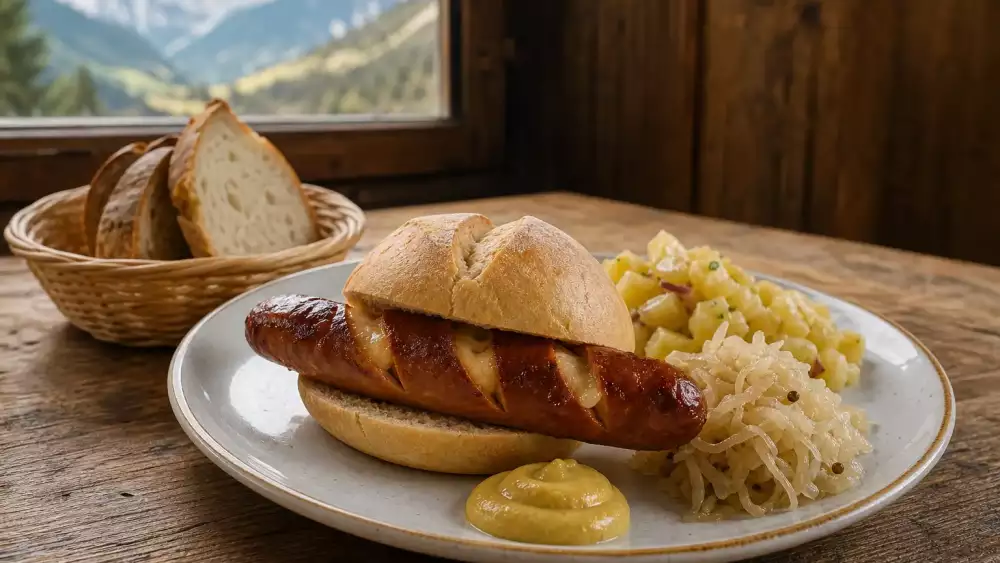
In Austria, Käsekrainer is often served in a very simple way: hot sausage, bread, mustard and perhaps horseradish or pickles. The sausage itself does the heavy lifting, so it does not need complicated toppings.
This cultural overview from German Way explains traditional Austrian sausage serving accompaniments such as bread, mustard, horseradish, and pickles.
That same approach works well in the UK. A Cheese Frankfurter in a warm roll with mustard
For a more traditional plate, serve it with sauerkraut, potato salad, roasted potatoes or crusty bread. This creates a simple Alpine-style meal that feels hearty, generous and easy to understand.
Best Ways to Serve Käsekrainer at Home
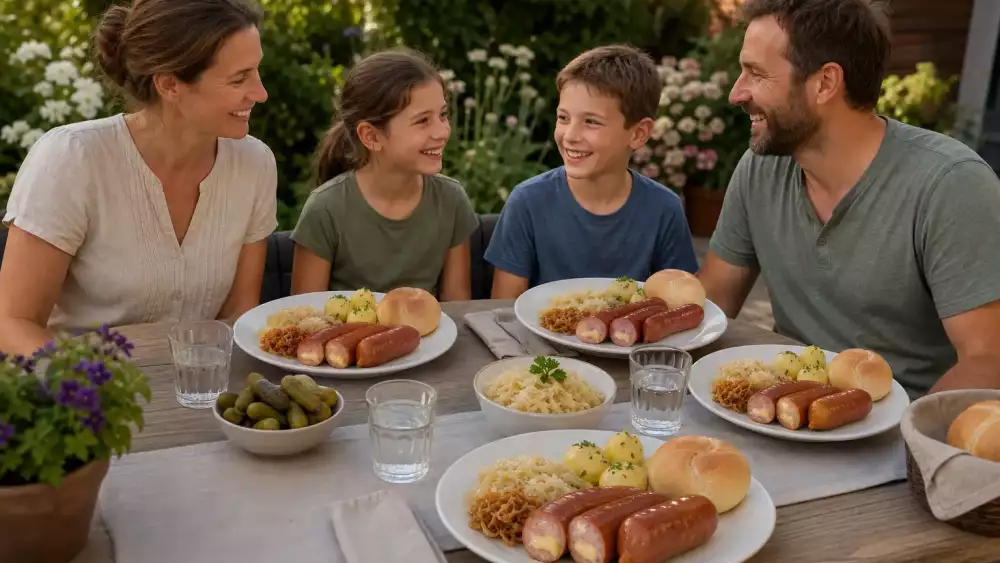
At home, Käsekrainer is useful because it turns a quick meal into something more interesting. It can be served in a roll, sliced into a simple plate meal or used as a richer sausage option in comfort-food dishes.
Good home serving ideas include:
- Cheese Frankfurter in a soft roll with mustard and fried onions
- Sliced Käsekrainer with sauerkraut and boiled potatoes
- Cheese Currywurst with curry ketchup and chips
- Käsekrainer with potato salad and pickles
- Grilled Cheese Frankfurter with roasted vegetables
- Sliced sausage stirred into pasta bake or mac and cheese
The key is not to bury the sausage under too many strong flavours. Käsekrainer already brings smoke, pork and cheese, so simple sides usually work best.
Why Käsekrainer Works So Well for Pubs, Caterers and Events
For commercial kitchens, Käsekrainer has a very clear advantage: it feels premium without adding much extra work.
This hospitality trade article looks at cautious menu strategies across UK hospitality, which is useful context if you are weighing premium sausage options that keep kitchen work simple.
A standard hot dog often needs toppings, sauces and menu language to make it feel special. Käsekrainer already has a built-in point of difference because the cheese is inside the sausage. That makes it easier to sell as a more indulgent option.
It also works across many foodservice settings:
- pubs that want a stronger beer garden sausage
- cafés and garden centres looking for easy hot lunch options
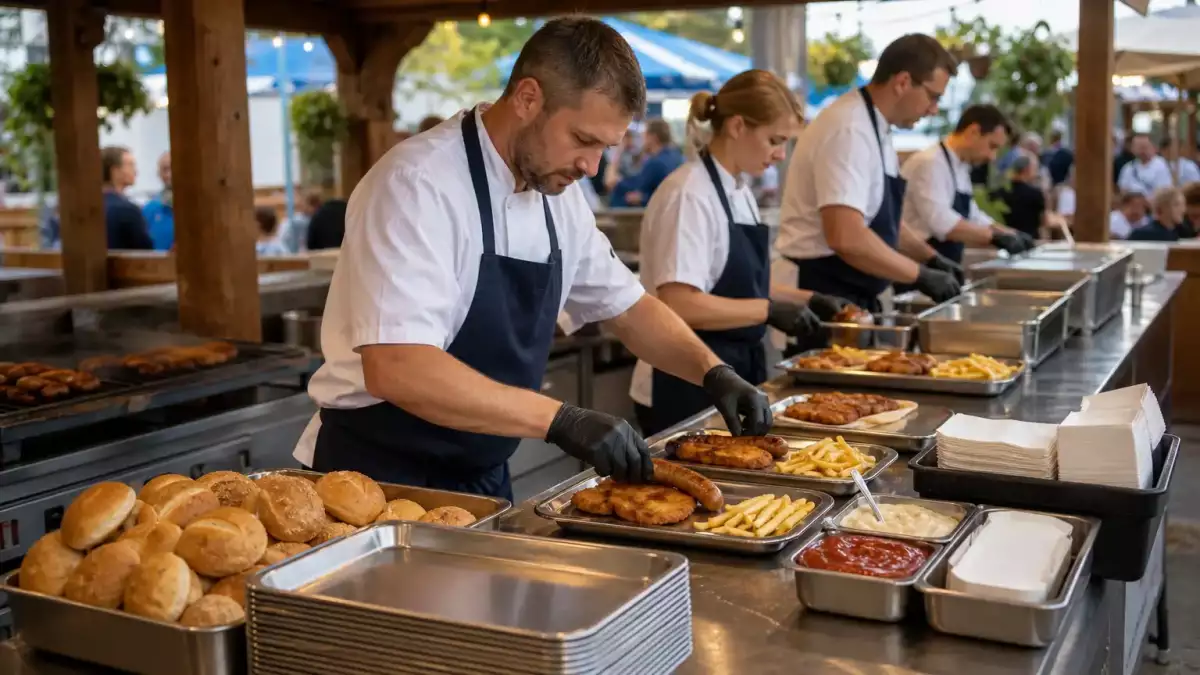
- event traders who need fast handheld food
- showmen and festival caterers who need reliable, crowd-pleasing products
- Oktoberfest menus and German-themed food nights
- farm shops and casual food counters
Because the Cheese Frankfurter is pre-cooked, it is especially practical for fast-moving service. Operators still need to handle, store and reheat it correctly, but they are not starting from a raw sausage. That helps with consistency, speed and portion control.
| Setting | Best Serving Style | Why It Works | Simple Add-Ons |
|---|---|---|---|
| Home meals | Cheese Frankfurter in a roll | Quick, filling and more indulgent than a standard hot dog | Mustard, fried onions, pickles |
| BBQs and garden cooking | Grilled Käsekrainer | The smoke, browned casing and melted cheese create strong flavour with little effort | Potato salad, sauerkraut, crusty bread |
| Pubs and beer gardens | Premium cheese hot dog | Easy to describe, easy to serve and strong enough to justify a higher menu price | Mustard mayo, crispy onions, gherkins |
| Events and festivals | Handheld Cheese Frankfurter | Fast service, clear customer appeal and less need for messy toppings | Soft roll, curry ketchup, onions |
| Oktoberfest menus | Käsekrainer sausage plate | Feels authentic, hearty and perfect for German or Austrian-style menus | Sauerkraut, pretzel bread, mustard |
| Cafés and garden centres | Warm lunch special | More memorable than a basic sausage roll or plain hot dog | Chips, salad, potato wedges |
| Farm shops and food counters | Premium continental sausage option | Gives customers a simple way to try something different at home | Mustard, pickles, fresh rolls |
| Loaded menu items | Cheese Currywurst or loaded fries | The cheese filling adds richness without needing extra cheese sauce | Curry ketchup, fries, spring onions |
Menu Ideas for Käsekrainer and Cheese Frankfurter
Clear menu language makes Käsekrainer much easier to sell. The customer should understand the cheese filling immediately, rather than needing to ask what the sausage is.
This hospitality resource from the Institute of Hospitality shows how clear menu descriptions can help operators explain speciality sausages like Käsekrainer more effectively.
Here are some simple menu ideas:
Classic Cheese Frankfurter
A smoked pork frankfurter filled with Emmental cheese, served in a warm roll with mustard and crispy onions.
Austrian Käsekrainer Plate
Grilled cheese-filled sausage served with sauerkraut, potato salad
Cheese Currywurst
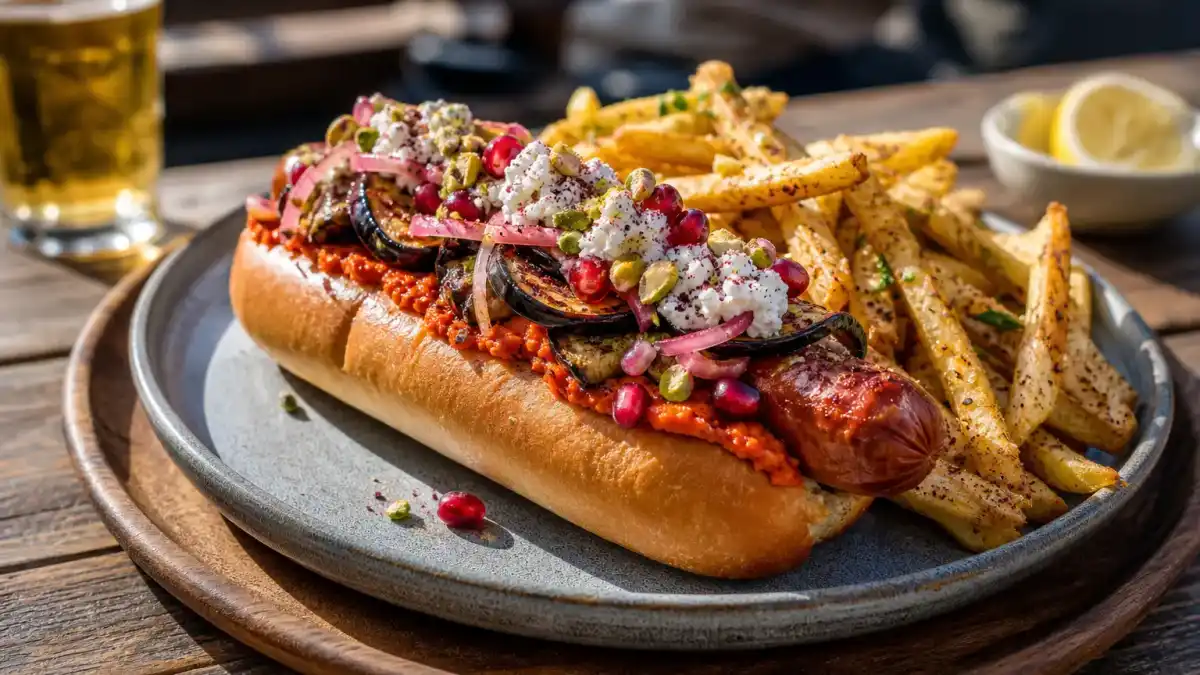
Sliced Cheese Frankfurter topped with curry ketchup and curry powder, served with chips or loaded fries.
Alpine Cheese Dog
Cheese Frankfurter in a soft roll with caramelised onions, mustard mayo and pickles.
Oktoberfest Sausage Platter
Cheese Frankfurter, Bratwurst and Frankfurter served with sauerkraut, pretzel bread, potato salad and mustard.
These dishes are easy to understand, simple to prepare and strong enough to justify a more premium position on a menu.
Käsekrainer as a Better Hot Dog Upgrade
Käsekrainer is one of the easiest ways to make a hot dog feel more substantial. The sausage itself carries the upgrade, rather than relying only on toppings.
That matters because too many toppings can make hot dogs messy, slow to serve and harder to eat. A Cheese Frankfurter allows the menu to stay cleaner. You can keep the build simple and still offer a product that feels different from a standard hot dog.
For pubs and event traders, that can be very useful. A clear sausage upgrade can increase perceived value while keeping service fast.
What to Pair with Käsekrainer
Käsekrainer pairs best with sides and sauces that cut through the richness of the cheese. Sharp, fresh or lightly acidic flavours work particularly well.
This recipe guide shows how giardiniera pickles bring the kind of sharp, fresh contrast that works especially well alongside a rich Käsekrainer.
Good pairings include:
- German mustard
- pickles or gherkins
- sauerkraut
- potato salad
- crispy onions
- horseradish
- curry ketchup
- crusty bread or pretzel-style rolls
- pilsner, lager or wheat beer
Very heavy cheese sauces are usually unnecessary. The sausage already contains cheese, so extra cheese on top can make the dish feel too rich. Mustard, onions, pickles and potatoes usually create a better balance.
Where to Buy Käsekrainer in the UK
UK customers can enjoy The Sausage Haüs Käsekrainer-style sausage as the Cheese Frankfurter. It is currently available for home customers through Farmfoods, making it an easy way to try authentic cheese-filled sausage without visiting a specialist continental shop.
For commercial buyers, The Sausage Haüs can support pubs, caterers, event traders, cafés, garden centres, farm shops and foodservice operators looking for premium German and Austrian-style sausages. The Cheese Frankfurter is particularly useful where operators want a product that is simple to prepare but still feels distinctive on the menu.
The Sausage Haüs is also working on wider availability, so more customers can enjoy proper continental sausages at home and more businesses can add them to their menus.
Käsekrainer or Cheese Frankfurter: Which Name Should You Use?
Both names can work, but they serve different purposes.
“Käsekrainer” is the traditional name and appeals to customers who know Austrian or German sausage culture. It gives the product authenticity and makes it feel more specialist.
“Cheese Frankfurter” is clearer for a UK audience. It tells the customer exactly what they are getting: a frankfurter-style sausage with cheese inside.
For menus, the best solution is often to use both:
Cheese Frankfurter Käsekrainer — smoked pork sausage with Emmental cheese inside
That keeps the traditional name while making the product easy to understand.
Frequently Asked Questions
Not exactly. A cheese hot dog usually means a hot dog served with cheese on top, while Käsekrainer has the cheese inside the sausage. That makes the eating experience different because the cheese melts through the sausage itself rather than sitting as a topping.
little cheese leakage is normal, especially when the sausage is grilled or cooked on a hot griddle. Too much leakage usually happens when the heat is too aggressive, the sausage is pierced, or it is cooked for too long. Medium heat and regular turning help the cheese melt inside without forcing it out.
It is better to warm Käsekrainer gently in hot water rather than boil it hard. Boiling can put pressure on the casing and increase the chance of splitting. If you want the best colour and flavour, warm it gently first and then finish it briefly on a grill, pan or griddle.
Both work well. In a roll, Käsekrainer becomes a simple premium hot dog with more flavour than a plain frankfurter. On a plate, it works well with potato salad, sauerkraut, mustard, pickles or roasted potatoes. For pubs and events, a roll is usually faster. For restaurants, cafés or Oktoberfest-style menus, a plated version can feel more substantial.
The best toppings balance the richness of the cheese. Mustard, pickles, sauerkraut, crispy onions, gherkins, horseradish and curry ketchup all work well. Very heavy cheese sauces are usually unnecessary because the sausage already contains cheese.
Many children like Käsekrainer because the flavour is smoky, savoury and cheesy rather than spicy. The main caution is temperature. The melted cheese inside can be very hot, so it is sensible to let the sausage rest briefly before serving and to cut it open for younger children.
It is usually better to heat the sausage whole first. Slicing it before cooking exposes the cheese and can cause more of it to escape. If you want to serve it sliced, warm the sausage first, let it rest briefly, then cut it into pieces just before serving.
Käsekrainer gives operators a built-in upgrade. The cheese filling makes the sausage feel more premium without requiring complicated toppings, extra preparation or difficult menu descriptions. That makes it useful for pubs, events, cafés, garden centres and German-style food offers where speed and perceived value both matter.
The clearest wording is usually “Cheese Frankfurter” followed by a short explanation. For example: “Smoked pork Cheese Frankfurter with Emmental cheese inside.” This keeps the product easy to understand while still allowing the traditional Käsekrainer name to appear for authenticity.
Crisp drinks work best because they cut through the richness of the cheese and smoked pork. Lager, pilsner and wheat beer are natural choices for pubs and beer gardens. For alcohol-free options, sparkling water, apple spritzers, lemonade or a sharp fruit drink can also work well.
No. It fits very naturally into Oktoberfest and Alpine-style menus, but it also works as a general premium hot dog, loaded fries ingredient, currywurst option or warm lunch special. The traditional background gives it character, but the flavour is familiar enough for everyday UK menus.
The biggest mistake is treating it like a plain sausage and using too much heat. Käsekrainer needs controlled reheating so the cheese melts inside rather than escaping. The second mistake is overloading it with too many toppings, which can hide the smoke, pork and cheese that make the sausage special.
Conclusion
Käsekrainer may be an Austrian name, but the appeal is easy to understand anywhere: a gently smoked sausage, real cheese inside, and a rich, satisfying bite that works just as well in a bread roll as it does on a plate with mustard, potatoes or sauerkraut.
The Sausage Haüs Cheese Frankfurter keeps that tradition alive for the UK market. It gives home customers an easy way to enjoy authentic Käsekrainer-style flavour, while also giving foodservice operators a practical premium sausage that feels distinctive, indulgent and simple to serve.
Whether you are building a better hot dog, serving an Oktoberfest-style platter, adding a cheesy twist to currywurst or just looking for something more exciting than an ordinary frankfurter, Käsekrainer is a sausage with real menu appeal. Different name, same idea: smoky pork, melted Emmental and proper continental flavour in every bite.
The Sausage Haüs
The Sausage Haus brings authentic German-style sausages to the UK market through a partnership between Hardy Remagen and Baird Foods.
Hardy Remagen is a long-established German producer with deep experience in traditional sausage making, continental meat products and modern food manufacturing. The range reflects the kind of products German shoppers already understand and enjoy: Bratwurst, Frankfurters, smoked hotdogs, cheese-filled sausages, Bockwurst, Weisswurst and other classic German-style lines.
In the UK, the range is represented and distributed by Baird Foods, giving retailers, wholesalers, caterers and foodservice operators access to German sausage products with a practical UK supply route. This combination is important: German manufacturing knowledge on one side, UK market understanding and distribution on the other.
For retail buyers, The Sausage Haus range offers a clear way to add something different to both chilled and frozen sausage fixtures. The products are built around real eating occasions: BBQs, premium hotdog nights, family meals, German street food, Oktoberfest promotions, Christmas market food and quick comfort meals at home.
The result is a range that gives shoppers something more distinctive than ordinary sausages and standard hotdogs, while giving buyers a compact, commercially useful product story with strong fresh and frozen potential.