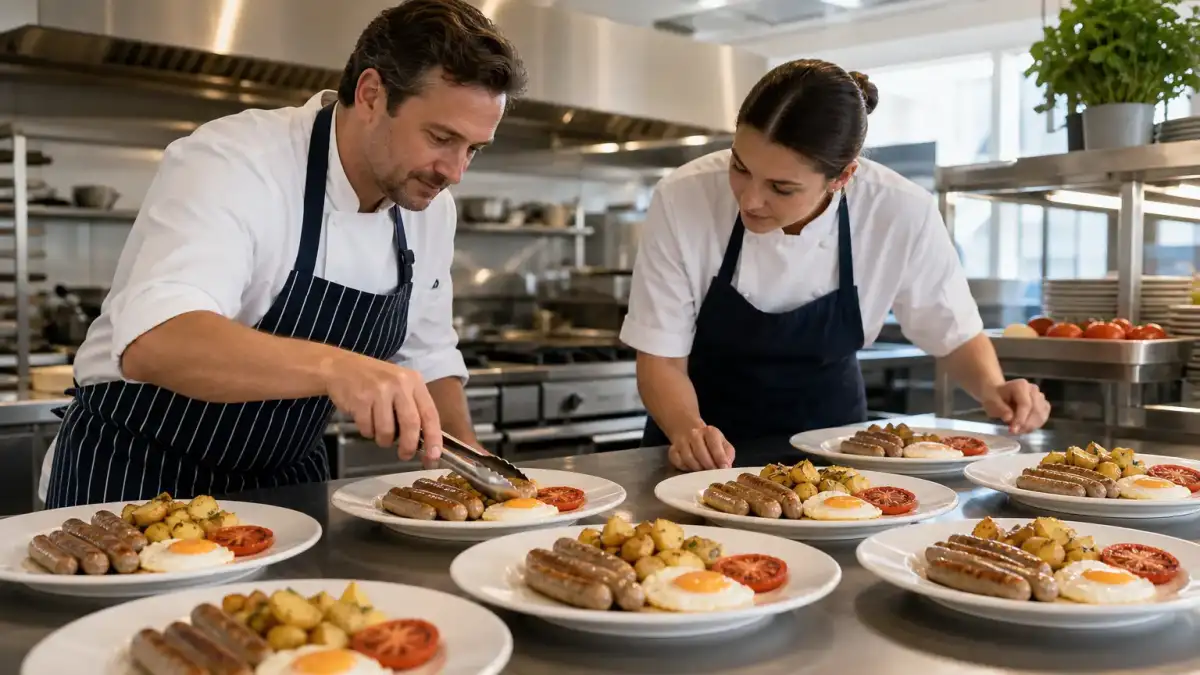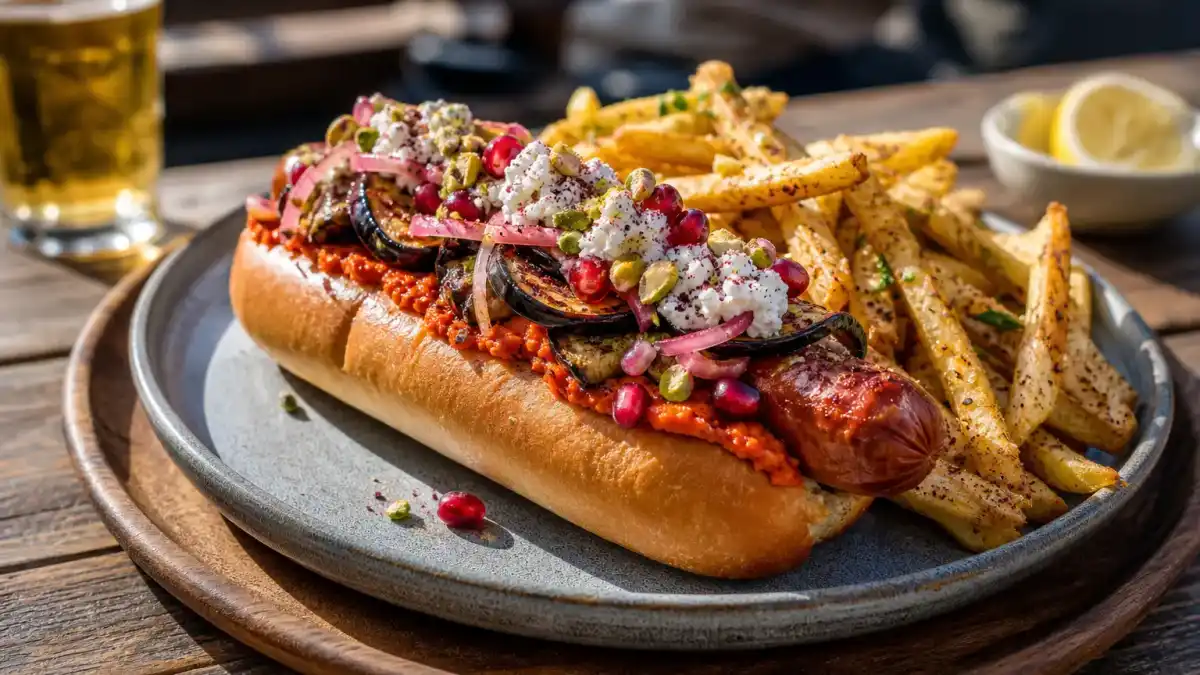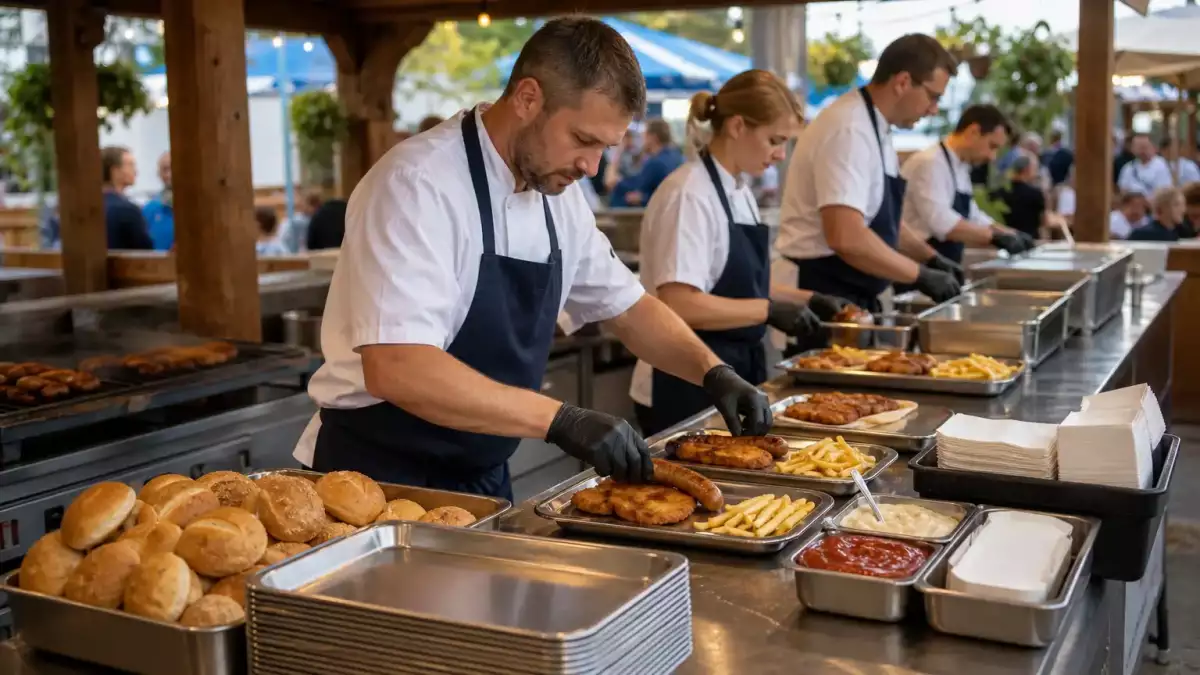
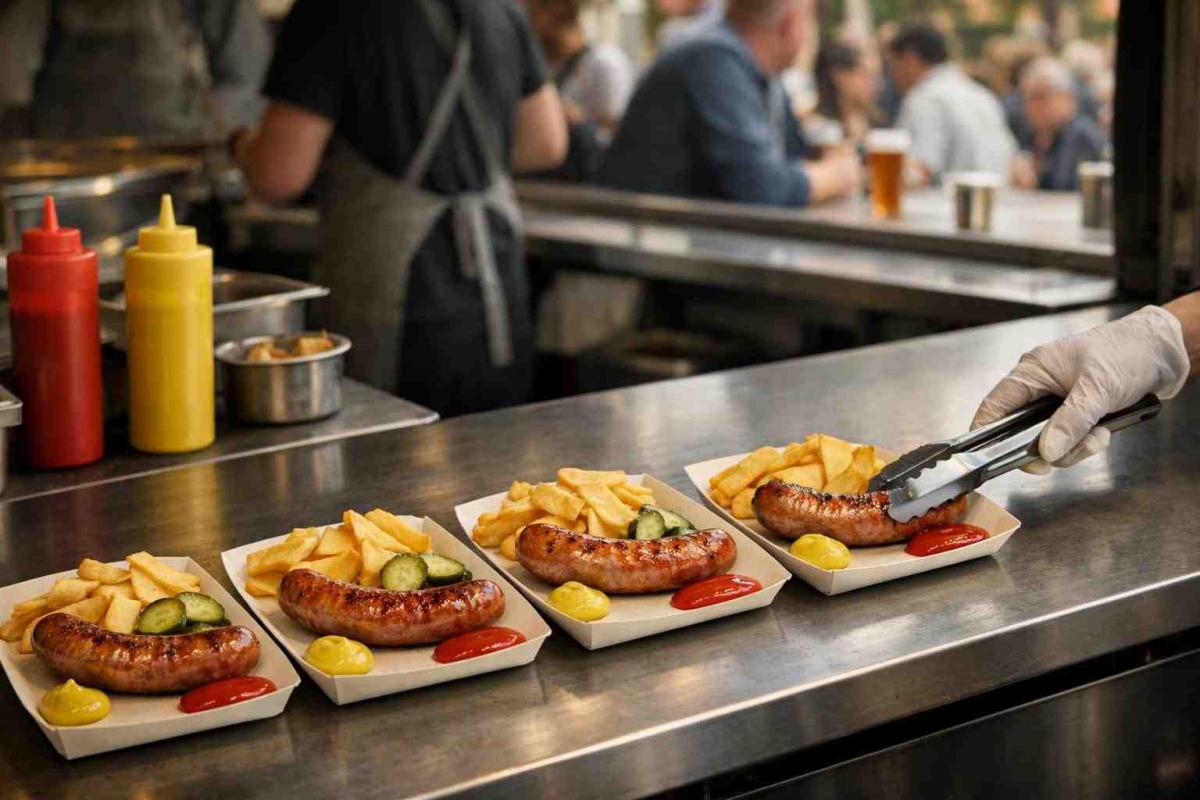
Beer garden trade looks simple from the customer side, but the food has to do several jobs at once. The best beer garden sausage plates need to serve fast, travel well from hatch to table, and still look like a proper summer purchase rather than a rushed fallback. For pubs, traders and outdoor venues, that usually means fewer moving parts, clearer plate logic, and sausages that hold their appeal without slowing the line.
Introduction
Summer service has a way of exposing weak menu ideas very quickly. A dish that looks fine on paper can become awkward once the queue builds, the weather turns warm, and half the orders come in at once from outdoor tables. That is why beer garden sausage plates are such a useful format. They give customers something more substantial than a plain sausage in a bun, but they can still be built around fast service and sensible prep.
This hospitality trade article looks at practical menu ideas that can help pubs and caterers keep summer service simple and fast.
For UK operators, this matters more than it first appears. Beer gardens, terraces, outside bars, festival seating areas and casual outdoor trade all reward dishes that feel generous without becoming messy or slow. A plate has to earn its space on the menu. It should read clearly, suit the setting, and avoid too many delicate components that collapse under pressure.
Good beer garden sausage plates also help with menu positioning. They can sit between quick snacks and heavier mains, which makes them useful for pubs, showmen, event caterers and street food traders who want a stronger mid-range offer. In practical terms, the best versions usually share a few things:
- one clear sausage hero
- one dependable starch or bread element
- one visible flavour lift such as onions, kraut, curry sauce or slaw
- a layout that still looks tidy after a short walk to the table
That is the real goal here. Not fancy plating, and not a long gastropub build that slows the team down, but German sausage plates that suit outdoor summer trade and still make commercial sense.
Key Takeaways
- Beer garden sausage plates work best when the build is obvious, filling and quick to assemble.
- The strongest summer pub food ideas use fewer components, not more.
- A sausage plate should sit comfortably between a snack and a full plated main.
- Bratwurst plates and frankfurter plate ideas both work well, but each needs the right side structure.
- Outdoor dining sausage plates need to carry well, hold their appearance, and avoid messy overbuilds.
- For sausage dishes for pubs, speed of service matters just as much as flavour.
- If you are serving outside, always verify site rules, power or gas setup, and any event-specific service requirements.
Why Beer Garden Sausage Plates Work So Well for Summer Trade
Beer garden sausage plates suit the way people actually eat outdoors in summer. They feel more complete than a quick snack, but they are still informal enough for relaxed pub gardens, terraces, festival seating and casual event spaces. That middle ground is valuable. Customers often want something more substantial than a single hotdog, but they do not always want a full knife-and-fork pub main with multiple slow elements.
This trade article looks at how The Mariners uses a middle-ground dish to bridge the gap between a hotdog and a full pub main, which is a useful menu idea for sausage-led plates.
That is where beer garden sausage plates earn their place. They give you a format that looks like a proper purchase, lands well on the table, and can be adapted to different trading environments without changing the whole kitchen logic. For many operators, that makes them one of the more useful summer pub food ideas because they sit comfortably between speed and value.
In the UK, outdoor trade is often inconsistent rather than neatly paced. One moment the garden is half full, the next there is a queue after a burst of sunshine. Beer garden sausage plates cope with that kind of pattern better than more fragile dishes. They can be pre-planned around sensible prep, clear station roles and components that do not collapse the moment service gets busy.
They also give you a stronger menu story. A sausage in a bun can work very well, but a plate lets you push the offer slightly further without becoming fussy. That matters if you want sausage dishes for pubs that feel a little more deliberate and slightly higher value, while still staying practical for staff.
A useful plate format usually gives the customer three things at once: comfort, clarity and visible value. German sausage plates are particularly good at this because the sausage itself already carries identity. You are not building the whole dish from scratch. The sausage does a lot of the heavy lifting, which makes the rest of the plate easier to structure.
A few reasons this format works especially well in summer:
- beer garden sausage plates feel filling without becoming too heavy
- they travel better to outdoor tables than many loose or layered dishes
- they allow simple customisation without creating a long build process
- they help pub sausage plates feel more substantial than bar snacks
Another advantage is visual logic. Outdoor dining sausage plates need to make sense at a glance. Customers should be able to see what they are getting, and staff should be able to plate it without second-guessing placement every time. That is why the best versions are usually based on one hero sausage, one dependable side, and one flavour element that lifts the plate without turning it into a balancing act.
Bratwurst plates, frankfurter-based builds and other German sausage plates also fit the wider mood of summer trading. They feel social, relaxed and easy to understand. They can sit beside drinks-led trade, casual afternoon eating or low-formality evening service. In other words, beer garden sausage plates do not need much explaining, which is often a sign that the format is commercially useful.
What Makes a Sausage Plate Fast Enough for Outdoor Service
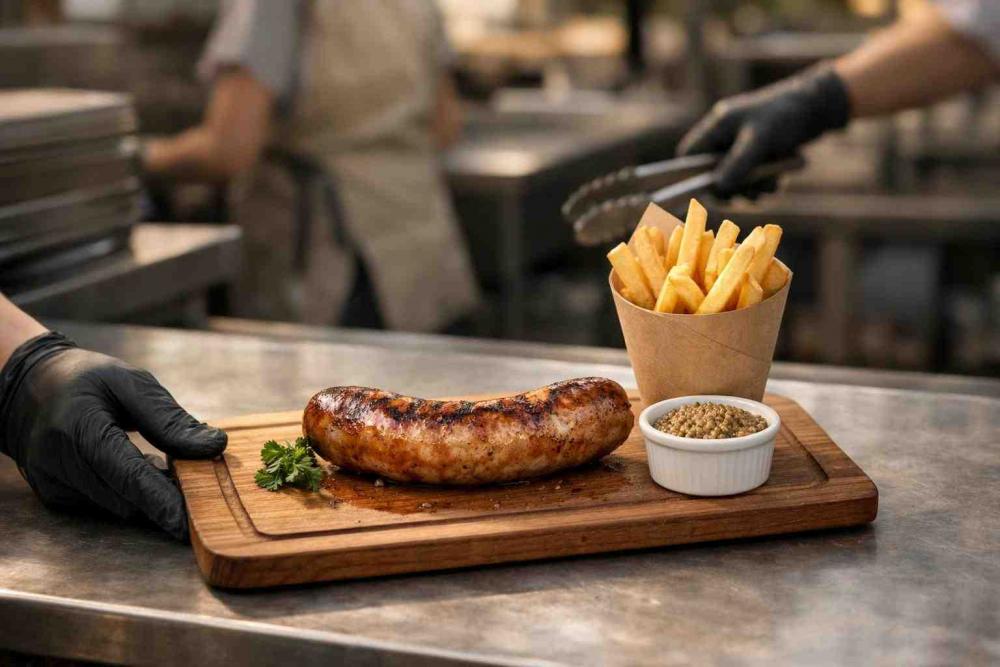
Speed in outdoor service is not only about cooking time. It is about how many decisions a dish forces onto the team once orders start landing. A plate can look simple on the menu but still be slow in real life if it needs too many finishing touches, too much garnish correction, or too much last-minute judgement from the person assembling it. The strongest beer garden sausage plates avoid that problem.
A fast plate has a clear build path. Staff should know the order of assembly without stopping to think. That might sound obvious, but it is where many pub sausage plates begin to lose time. A dish with too many optional elements, too many containers, or too many delicate finishing steps will drag down service even if each component looks reasonable on its own.
Beer garden sausage plates also need the right kind of components. Fast outdoor service favours ingredients that portion cleanly, hold sensibly for a realistic service window, and still look presentable by the time the plate reaches a garden table. This is one reason why some summer pub food ideas work brilliantly in theory but less well in practice. They ask for too much finesse at exactly the wrong moment.
The most reliable sausage dishes for pubs are usually built from elements with clear roles. The sausage provides identity and protein. The starch or bread provides substance. The third element adds contrast, moisture or sharpness. Once that structure is fixed, speed becomes easier because the team is repeating a known sequence rather than improvising.
A fast plate usually has these traits:
- no more than three or four core components
- a side that can be portioned quickly and consistently
- a finish that is visible but not fiddly
- minimal risk of sliding, spilling or going messy on the walk outside
- easy restocking during busy periods
Another part of speed is plate behaviour after it leaves the pass. Outdoor dining sausage plates should survive movement. A dish that looks good only while stationary under the hatch lights is not really ready for beer garden service. If chips spill, slaw slides, or sauce floods the plate after a short walk, the problem is not the runner. It is the build.
Beer garden sausage plates become much easier to run when every element has a reason to be there. That means avoiding decorative extras that add seconds but not value. A little onion, kraut or curry sauce can be useful. A whole pile of unrelated garnish usually is not. Customers are rarely impressed by clutter if the food is harder to eat and the line gets slower.
It is also worth thinking about the setup behind the plate. Some German sausage plates will work from a compact pub kitchen, while others suit event or outdoor unit service better. There is no universal answer. You just need the build to match your equipment, team and service style. If you are running outside kit, always verify the practical basics such as site rules, gas safety arrangements, electrical load and any local authority or event requirements that apply.
In simple terms, beer garden sausage plates are fast enough for outdoor service when they reduce friction instead of creating it. That is the standard worth using. Not whether the dish looks clever on paper, but whether it can be plated cleanly, served quickly and repeated through a busy summer shift.
How to Build Beer Garden Sausage Plates That Still Look Worth Buying
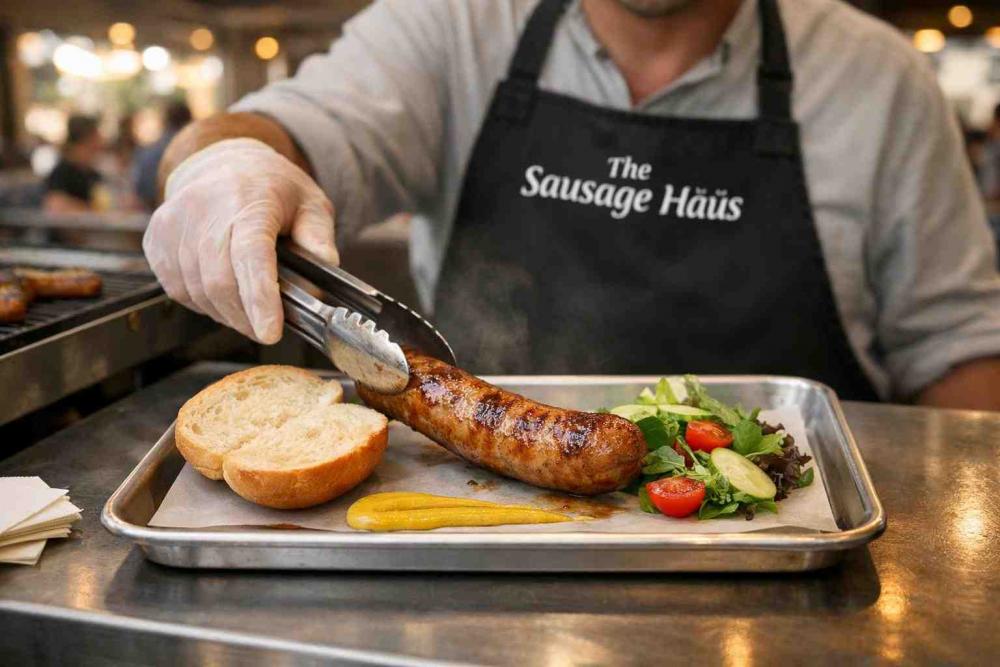
A fast plate still has to look like something a customer is pleased to order. That is the balance. Beer garden sausage plates should not feel stripped down or half-finished just because they are designed for speed. The aim is a dish that feels generous and clear, not overloaded and chaotic. Customers do not need theatre from a garden plate, but they do want visible value.
This hospitality trade article looks at how menu engineering and dish presentation can keep sausage plates feeling generous while still working for fast summer service.
The easiest way to achieve that is to build around one obvious centrepiece. In most cases, that means the sausage must lead visually as well as practically. If the plate is supposed to sell German sausage plates, then the sausage should look like the star rather than disappearing under too many toppings or getting lost beside an oversized side portion. A good sausage already brings shape, colour and identity. Let it do its job.
Beer garden sausage plates also look stronger when the side and garnish have contrast. A pale sausage with pale mash and pale bread can feel flat, even if it tastes fine. By contrast, a bratwurst with golden chips and a visible onion or kraut element reads more clearly. The point is not restaurant-style colour theory. It is simply that customers respond well to plates they can understand in a second or two.
This matters especially for pub sausage plates sold in warm weather. People are often deciding quickly, sometimes while standing at a bar or scanning a menu board. The plate should signal what it is and why it is worth the money. That usually comes from shape, spacing and one or two visible flavour cues, not from piling on extras.
A practical build approach is:
- one sausage with clear visual presence
- one side that fills the plate properly
- one topping, sauce or relish that adds character
- enough open space that the dish still looks tidy
That last point is often ignored. Overfilled plates can look less valuable, not more. When outdoor dining sausage plates are too crowded, they start to feel messy and harder to eat. A little breathing room helps the plate look more deliberate and makes service cleaner as well.
Beer garden sausage plates should also match the tone of the venue. In a pub garden, a plated bratwurst with chips and curry onions can look exactly right. In a festival seating area, a slightly more robust tray-style plate might make more sense. For sausage dishes for pubs, the right look is usually one that feels confident and easy rather than overdesigned.
There is also a useful difference between “big” and “worth buying”. Bigger is not always better. A massive plate can look heavy, awkward or poor value if the components do not relate well to each other. A more controlled build often looks stronger because it feels intentional. That is one of the reasons many of the best summer pub food ideas are quite restrained once you strip away the menu wording.
So when building beer garden sausage plates, think in terms of clarity, contrast and proportion. Give the sausage room to lead. Choose a side that supports service. Add one finishing element that customers can notice straight away. That is normally enough to create beer garden sausage plates that run fast, photograph well enough for menus or boards, and still feel like a proper summer order rather than an afterthought.
The 5 Beer Garden Sausage Plates That Run Fast in Summer 2026
Not every summer dish deserves space on an outdoor menu. Some look good in a planning meeting, then become awkward once the garden fills up and orders start bunching together. The five builds below are designed for real service. They are beer garden sausage plates that look complete, plate quickly and make sense in a UK pub, terrace, festival bar or casual outdoor setting.
The common thread is simple. Each of these beer garden sausage plates uses one clear sausage format, one dependable side structure and one flavour element that gives the dish identity without slowing the team down. That is what makes them useful. They are not meant to be clever for the sake of it. They are meant to sell, travel well to outside tables and repeat cleanly through a busy shift.
1. Bratwurst, Chips and Curry Onions
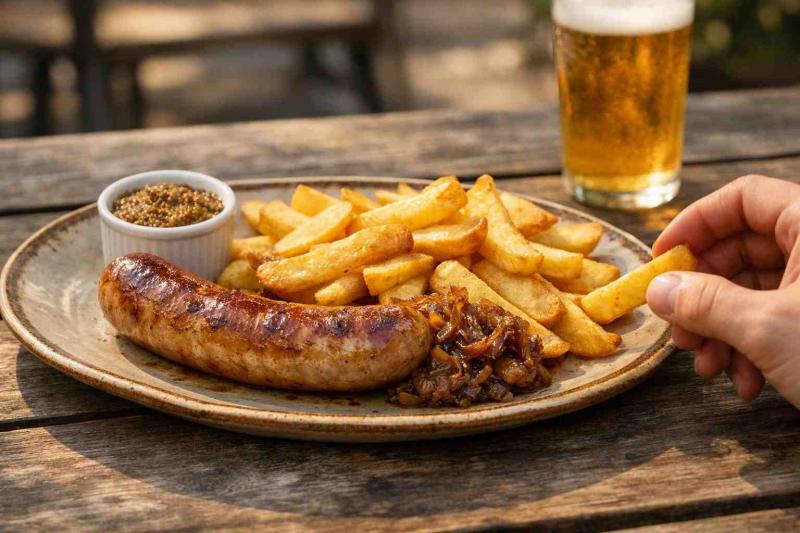
This is one of the safest beer garden sausage plates because customers understand it immediately. A good bratwurst gives you the German character, chips provide the familiar pub-friendly base, and curry onions add just enough distinction to stop the plate feeling generic. It lands in a very comfortable middle ground between casual and specific.
This Michelin guide on German sausages explains why bratwurst works so well with familiar sides on a pub-style plate.
For many operators, this is one of the strongest bratwurst plates for summer because the parts are easy to control. The chips are standard service logic, the sausage gives visual value, and the onion element can be prepared in advance without turning the pass into a garnish station. As pub sausage plates go, it is very forgiving.
It also works well because the plate reads properly from a distance. Customers can see the sausage, see the chips, and see that there is something a little more interesting going on than a standard sausage-and-chips offer. That matters in beer gardens, where ordering decisions are often quick and slightly impulsive.
A good version usually depends on:
- a bratwurst with visible colour and proper shape
- a sensible chip portion that fills the plate without taking over
- onions that are present enough to add flavour but not so wet that they flood the dish
2. Smoked Frankfurter, Potato Salad and Crisp Onions
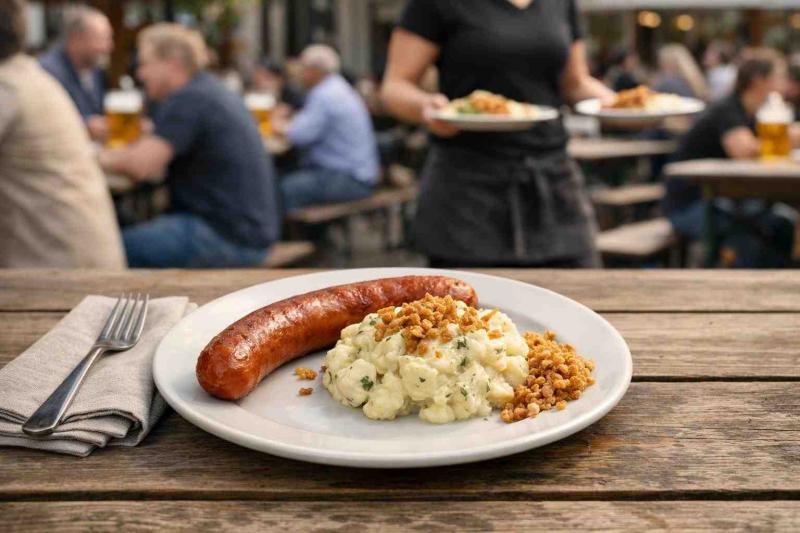
This is one of the more useful German sausage plates when you want a plate that feels summery rather than heavy. A smoked frankfurter has enough identity to carry the dish, while potato salad gives substance without pushing the plate into winter-food territory. Crisp onions on top or to the side add contrast and make the finish feel deliberate.
In service terms, this is a smart option because the components are predictable. Potato salad can be batched and portioned cleanly, the frankfurter cooks or reheats quickly depending on your setup, and the onions bring texture without demanding much labour during the rush. That makes it one of the more efficient beer garden sausage plates for operators who want something a touch different from chips every time.
It also suits outdoor dining sausage plates because it behaves well on the move. There is less risk of spill and slide than with looser sauced dishes, and the plate still looks tidy after a short walk to the garden. That might sound minor, but it becomes important very quickly once staff are carrying food through doors, around corners or across uneven outside areas.
This plate tends to work best in venues that want a slightly more continental feel without losing British menu familiarity. It still feels accessible, but it has enough personality to stand out among more obvious summer pub food ideas.
3. Pork Hotdog Sausage, Skin-On Fries and House Slaw
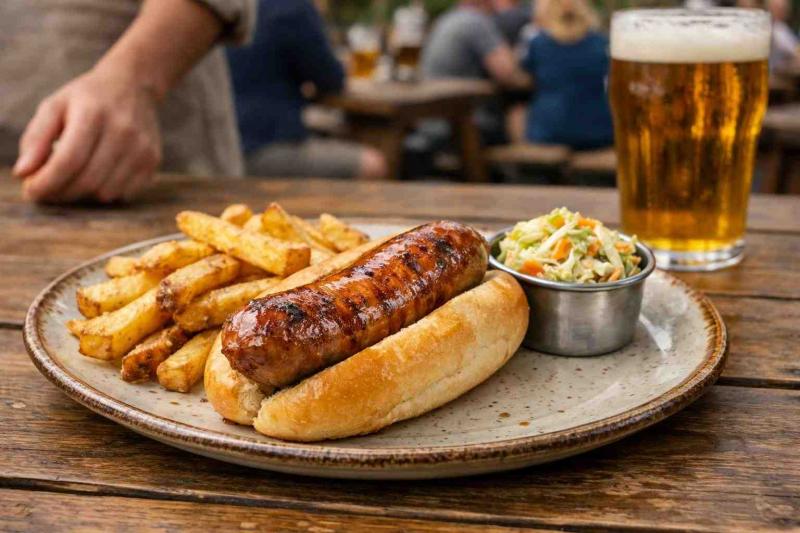
Some beer garden sausage plates earn their keep because they are easy to sell to almost anyone. This is one of them. The sausage format feels familiar, the fries are dependable, and the slaw lightens the plate enough for warm-weather trade. It is not trying to prove anything. It is just practical and commercially useful.
For sausage dishes for pubs, that can be a real advantage. Not every outdoor customer is looking for a textbook German presentation. Quite often they want something familiar that still feels a bit more considered than standard bar food. This plate gives you that bridge. It keeps the sausage central, but the surrounding format feels very easy for UK customers to say yes to.
Beer garden sausage plates like this are also adaptable. The slaw can be sharper, creamier or more mustard-led depending on the venue, and the fries can be adjusted to suit service style. As long as the slaw is portioned carefully and does not drown the plate, the whole thing stays manageable and looks worth buying.
A few practical strengths of this build:
- very clear customer appeal
- easy to describe on a menu board
- good fit for mixed-age outdoor trade
- familiar enough for broad volume without becoming bland
It is also one of the safer pub sausage plates for sites that want a summer-ready dish without adding too many specialist ingredients. If the sausage quality is right, the rest of the plate can stay simple.
4. Käsekrainer, Roasted Potatoes and Mustard Kraut
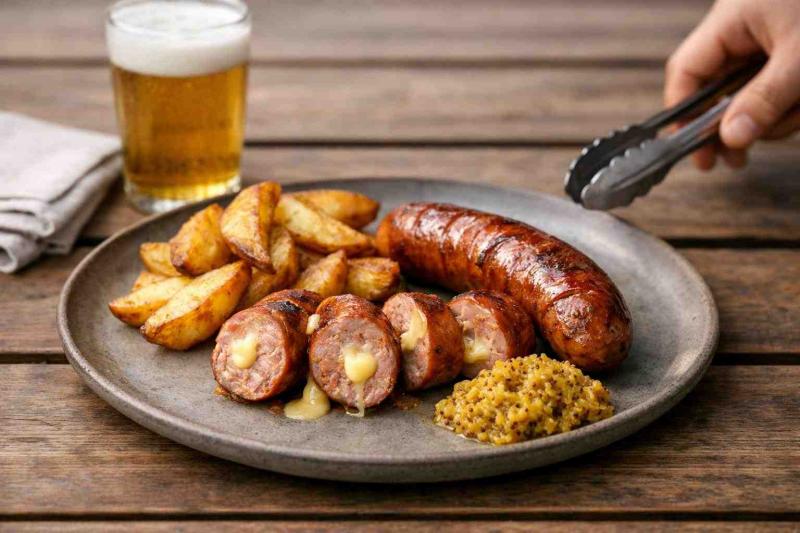
This is a stronger-flavoured option and works well when you want beer garden sausage plates with a bit more identity. Käsekrainer already brings interest because of the cheese element, so the rest of the build should support rather than compete. Roasted potatoes give the plate body, and mustard kraut provides sharpness that keeps everything from feeling too rich.
In practice, this is one of the more characterful German sausage plates for venues that want something slightly more distinctive than the standard bratwurst route. It is still serviceable, but it feels more deliberate. That can be useful for pubs with a food-led beer garden, event traders with a slightly broader menu, or outdoor bars that want one sausage plate with a bit more edge.
The key is proportion. Because the sausage already has a richer profile, the potatoes should be neatly portioned and the kraut should lift rather than dominate. If the mustard kraut is too wet or too aggressive, the plate becomes harder to balance and less tidy to serve. If it is kept under control, this becomes one of the more memorable beer garden sausage plates on the menu without becoming awkward for the team.
This is also a good reminder that beer garden sausage plates do not all have to rely on chips. A potato format can work very well if it plates quickly, holds sensibly and gives the dish a slightly different look on the table. That variation can strengthen a summer menu overall, especially if you already have fries elsewhere.
5. Currywurst Plate with Chips and Pickled Slaw
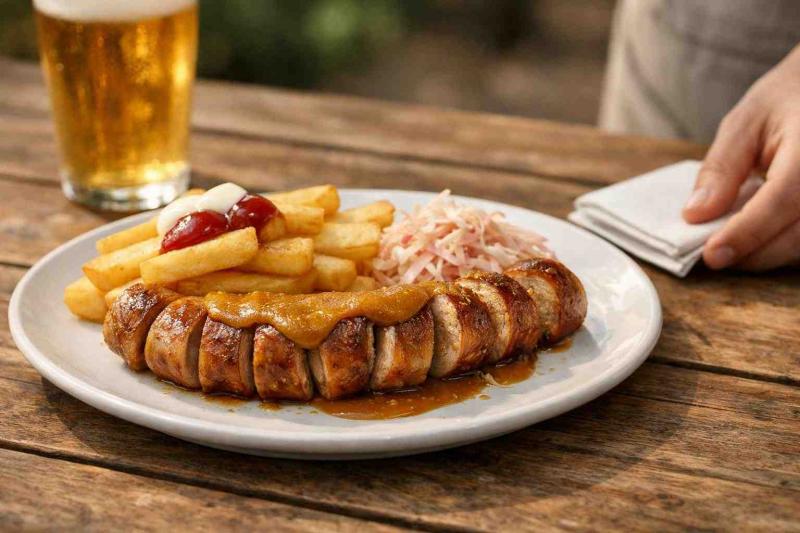
A currywurst-style plate is one of the most obvious beer garden sausage plates, but it still deserves its place because it works. Customers recognise the flavour direction, the chips make it feel substantial, and the pickled slaw stops the whole thing becoming too one-note. In summer 2026, it remains one of the most practical summer pub food ideas when the build is kept under control.
The main risk with this plate is overcomplication. Too much sauce, too much slaw or too much garnish and it starts to lose the speed that made it attractive in the first place. The best version keeps the curry sauce visible but disciplined, uses a sausage that still holds its own under the topping, and gives the slaw a clear supporting role rather than turning it into a side salad.
For outdoor service, that matters. Beer garden sausage plates need to survive movement and still look intentional when they arrive. A well-run currywurst plate can do that, but only if the sauce quantity is sensible and the chips are positioned with some care. Done properly, it becomes one of the most reliable outdoor dining sausage plates because it offers familiarity, flavour and a very easy menu message.
This plate is especially useful when you want one dish that clearly signals German influence without needing explanation. Among pub sausage plates, that is a commercial strength in its own right. Customers know what kind of experience they are buying, and staff can repeat it quickly once the portions are set.
These five beer garden sausage plates work because they respect the reality of summer service. They are varied enough to give a menu some range, but similar enough in structure that they can be run without chaos. That is usually the sweet spot. The best beer garden sausage plates are not the ones with the most ingredients. They are the ones that stay attractive, practical and easy to repeat when the weather turns good and the queue arrives all at once.
How to Scale Beer Garden Sausage Plates for 2, 4 or 8 People
Not every outdoor table wants an individual plate. In summer, groups often want something more social, slightly more relaxed, and a bit more fun to share with drinks. That creates a useful second lane for beer garden sausage plates: scaled sharing formats for two, four or eight customers. Done well, these can sit alongside your standard pub sausage plates without causing chaos in service.
The key is to keep the logic controlled. Scaled beer garden sausage plates should feel generous, but they should not become a random pile of sausages and garnish. The best versions use a fixed sausage mix, a fixed side structure and a small set of sauces that can be repeated consistently. That keeps the offer attractive for customers and manageable for staff.
There is also a commercial benefit here. Sharing-style German sausage plates can raise the perceived value of the menu without requiring a completely different kitchen system. They work especially well in beer gardens, sports-led venues, festivals and drinks-heavy outdoor spaces where customers are already ordering by the table rather than by the plate.
A few useful rules help straight away:
- keep each size in a fixed format rather than offering too many custom swaps
- use sausage combinations that look visually different from one another
- choose sides that portion quickly and can be scaled without fuss
- limit sauces to two or three per platter so the tray stays tidy
Plate for 2 - the easy entry point
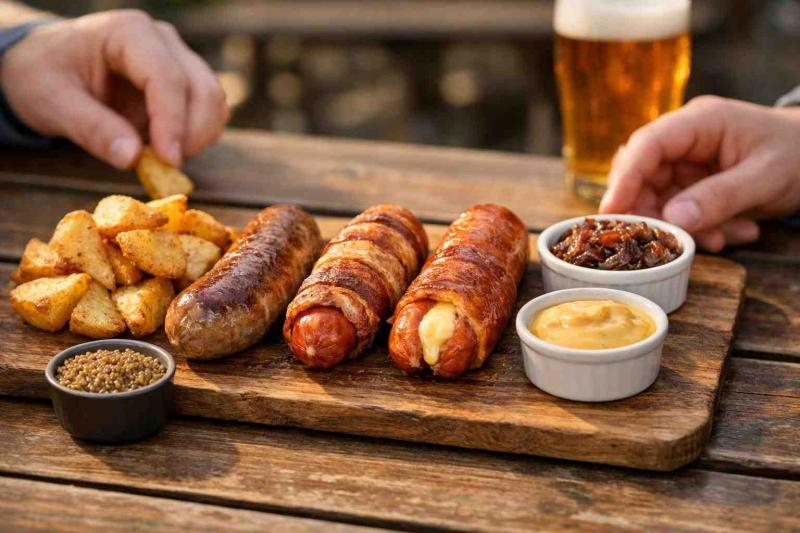
A sharing plate for two should still feel simple enough to order without discussion. It is best used as a more social version of beer garden sausage plates rather than a giant mixed grill. Think of it as a relaxed step up from two separate meals, not a novelty challenge.
A strong format here is three sausages with two side elements and two sauces. That gives enough variety to feel interesting, but not so much that the platter becomes crowded. One very workable combination is Bratwurst, Bacon Frankfurter and Cheese Frankfurter. The shapes and flavours are clearly different, which helps the plate look more deliberate and makes the choice feel worth buying.
For sides, this level usually works best with one starch and one contrast element. Skin-on fries or roasted potatoes paired with slaw, kraut or curry onions is normally enough. Add mustard and curry sauce, or mustard and a house ketchup, and the plate already feels more generous than standard sausage dishes for pubs without becoming awkward to run.
Plate for 4 - where it becomes a proper beer garden seller
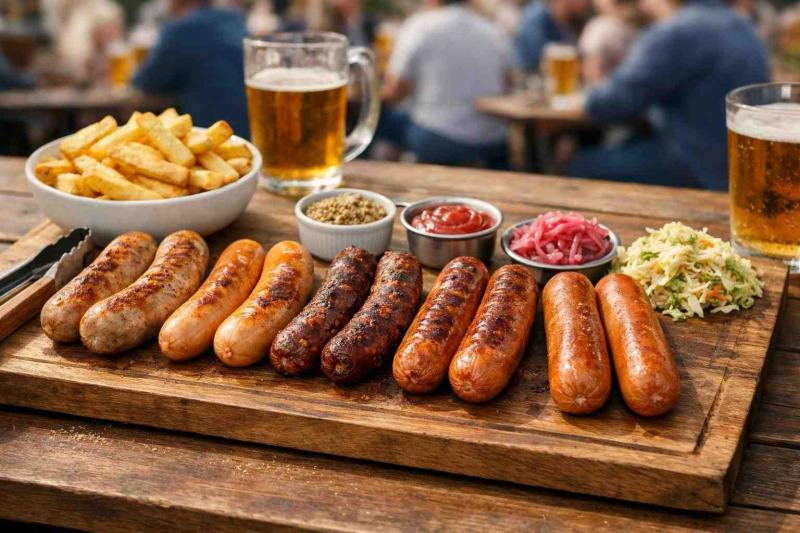
For four people, the format starts to become one of the more useful summer pub food ideas on the menu. This is the size where beer garden sausage plates can really drive drinks-led tables, casual group orders and “let’s just get one of those to start” behaviour. It works particularly well when the platter looks abundant but still structured.
At this size, variety matters more. A four-person platter should show enough range to create visual interest and a sense of choice at the table. A very solid sausage mix would be Bratwurst, Cheese Frankfurter, Chilli Beef Frankfurter and Pork Hotdog. That gives you different colours, textures and flavour directions without needing seven different toppings to explain the concept.
Sides should still be practical rather than ambitious. Fries, roasted potatoes, slaw and kraut work well because they can be grouped in sections and replenished easily in prep. For sauces, two or three is normally the sweet spot. More than that, and the platter starts to look busy rather than appealing.
A good four-person build often includes:
- 4 to 6 sausages in a fixed mixed selection
- 2 starch-heavy side portions
- 2 contrast elements such as slaw, kraut or onions
- 2 to 3 sauces with clear flavour roles
This is also the point where presentation starts to matter more. Outdoor dining sausage plates for four need enough structure that customers can immediately see how to get into them. Sausages in one lane, sides grouped cleanly, sauces in predictable positions. The more obvious the layout, the more successful the platter usually is.
Plate for 8 - the social centrepiece
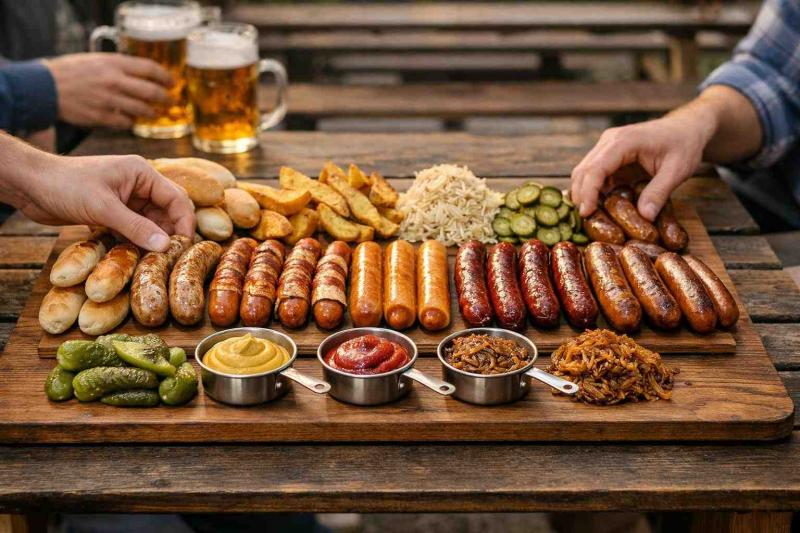
An eight-person platter is not just a larger plate. It is a table feature. That means it has to be visually generous and a bit playful, but it still needs to remain operationally sane. For beer garden sausage plates at this scale, the biggest mistake is trying to include everything. A crowded board with seven sauces, six side salads and too many garnish types does not feel premium. It feels confused.
A better approach is to make the eight-person version a fixed “Sausage Haus Beer Garden Board” or similar group offer with a defined sausage lineup. This is where your usual candidates come into their own. A strong mixed board could use Bratwurst, Bacon Frankfurter, Cheese Frankfurter, Chilli Beef Frankfurter, Vienna Beef Frankfurter, Pork Hotdog and Beef Hotdog, with some repeated based on the total count you want to serve. That gives the table a real sense of range without needing explanation-heavy menu copy.
For the side structure, think in blocks rather than scattered extras. Large-format fries, roasted potatoes, slaw, mustard kraut and curry onions are usually enough. Sauces can stay tight: mustard, curry sauce and one house sauce. That gives enough “fun” for a group without pushing the pass into a festival of ramekins.
Summary
Beer garden sausage plates at this size sell best when they feel abundant, social and easy to attack. Customers should be able to see the different sausages, reach the sides easily and understand what the platter is meant to be. That is more important than making it look elaborate.
There are also a few practical realities worth respecting. A platter for eight needs the right tray or board format, the right pass space and the right runners. In some sites it will work beautifully; in others it may be better as two matched platters for four. As ever, verify what suits your service style, outside table setup, local event requirements and the simple physics of getting food from hatch to garden without the whole thing sliding sideways.
In commercial terms, scaled beer garden sausage plates are useful because they widen the menu without demanding a totally different offer. The two-person version suits casual sharing, the four-person version is often the real sweet spot, and the eight-person board gives you a more social statement item for busy outdoor trade. Used carefully, they can make German sausage plates feel more lively and more profitable while still staying grounded in real service.
Choosing the Right Sausage for Pub Sausage Plates and Outdoor Menus
The sausage does most of the commercial work on this kind of dish, so choosing the right one matters more than many operators think. Beer garden sausage plates are not built on sauces or garnish first. They are built on the sausage. If that central element looks weak, tastes flat or behaves awkwardly in service, the whole plate starts from a bad position.
This chef recipe shows a simple way to make sauerkraut and see how its tangy side can support sausage plates.
For pub sausage plates, the right sausage is usually the one that gives a clear identity without creating extra friction. It should look good on the plate, fit the intended side structure, and stay recognisable after cooking and holding. In other words, this is not only about flavour. It is also about shape, visual presence, portion logic and repeatability.
Bratwurst is often the easiest starting point because it feels immediately relevant to German sausage plates while still being very easy for UK customers to understand. It has enough character to anchor the plate, but it does not require a long explanation on the menu. That makes it especially useful for summer pub food ideas where the order decision is often quick.
Frankfurters and smoked pork sausages can also work very well, especially when you want beer garden sausage plates that feel a little lighter or more informal. They pair well with fries, potato salad, slaw and sharper toppings, and they often plate neatly because of their regular shape. That said, they need the right supporting structure. A thinner sausage on an oversized plate can look mean very quickly if the rest of the build is not controlled.
Käsekrainer and other richer formats can be excellent for outdoor dining sausage plates when the venue wants more personality. The main thing is not to let richness stack on richness. If the sausage is already bold, the sides and sauces need to keep the plate in balance rather than adding even more weight.
A sensible selection process usually comes down to a few basic questions:
- does the sausage look substantial on the plate
- does it hold its shape and colour well in service
- does it suit the sides you can actually deliver quickly
- does it fit the tone of the venue and the likely customer
Beer garden sausage plates also benefit from menu contrast. If every sausage option feels similar in look and flavour, the range becomes less useful. One classic bratwurst plate, one smoked sausage option and one more distinctive build can often do more for the menu than five versions that blur together.
It is also worth thinking about eating ease. Customers in a beer garden are not always sitting at a formal dining table. The sausage should be easy to cut, easy to manage and not overly messy once plated. This is one reason some sausage dishes for pubs perform better than others. They are not necessarily the most complex or the most “authentic looking”. They are simply the easiest to enjoy in the setting where they are sold.
In the end, the right choice for beer garden sausage plates is the one that gives you a clear visual hero, strong flavour recognition and practical service behaviour. If the sausage does those three jobs well, the rest of the plate becomes much easier to get right.
Sides, Sauces and Garnishes That Help Rather Than Slow the Line
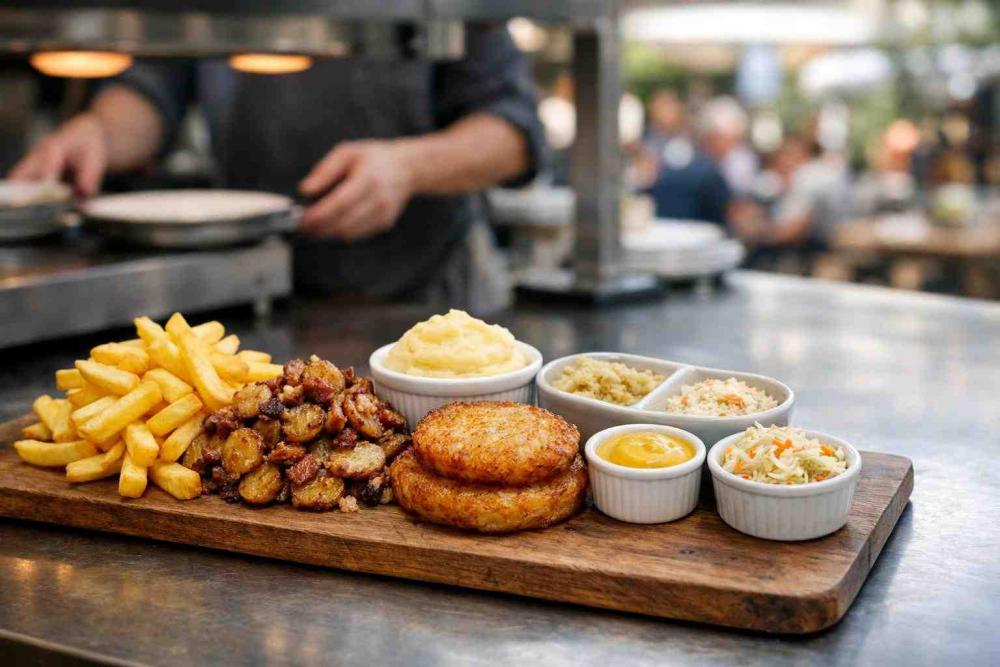
Sides and finishes should support the sausage, not start a small crisis every time an order comes in. This is where many otherwise decent beer garden sausage plates become slower than they need to be. The sausage may be straightforward, but the extras create drag through fiddly plating, awkward portioning or components that stop looking good the moment they leave the pass.
This Great British Chefs recipe guide shows a quick way to pair sausage plates with apple sauerkraut and potato rösti for a better-fitting summer menu.
The best sides for beer garden sausage plates are usually the ones that portion clearly, hold reasonably well and make sense to British customers. Chips are the obvious example because they are familiar, filling and easy to pair with a wide range of sausages. They are not always the most interesting option, but they are often the most operationally reliable, which matters in real trade.
Potato salad, roasted potatoes and simple slaws can also be very effective. They help German sausage plates feel more varied and can give the menu a more considered look without pushing the team into slow service. The main point is that the side should match the venue and the service setup. A pub garden can often support a plated potato format more easily than a compact outdoor unit with limited bench space.
Sauces need similar discipline. A good sauce can give beer garden sausage plates identity, but too much sauce removes clarity and creates mess. Curry sauce, mustard-based finishes, onion relishes and sharper dressings all have a place, but they should be used with a specific job in mind. They should either lift flavour, improve moisture or reinforce the concept of the dish. If they do not do one of those jobs clearly, they are probably just extra handling.
A practical rule is that every finishing element should answer one question: why is this here? That sounds strict, but it helps. Pub sausage plates improve quickly when the garnish is reduced to what actually helps the plate sell and eat well. That usually means fewer, better-chosen elements rather than a longer list.
Useful support elements often include:
- chips, fries or roasted potatoes that portion fast
- kraut or slaw that adds contrast without overwhelming the plate
- onions or curry sauce that give the dish an obvious flavour cue
- mustard or dressings used with control rather than decoration
Beer garden sausage plates also need to behave well on the walk to the table. This is why loose leaves, overfilled sauce pots and unstable garnish piles are often a bad trade. They may look generous for a moment, but they make the dish harder to run and harder to eat. Outdoor dining sausage plates usually improve when the finish is more compact and more deliberate.
Another point worth remembering is that not every dish needs a complete set of sauce, slaw and garnish. One strong finishing element is often enough. Some of the best summer pub food ideas feel balanced precisely because they stop early. A bratwurst with good chips and curry onions often looks better than the same plate with extra slaw, random herbs and a side cup of sauce no one asked for.
For sausage dishes for pubs, the strongest support elements are the ones that add visible value without adding operational clutter. That is the benchmark worth using. If a side, sauce or garnish slows the line, makes the plate harder to carry or creates inconsistent presentation, it is probably not helping as much as it seems.
Common Mistakes That Make Summer Sausage Menu Ideas Harder to Run
Most menu problems are not dramatic. They are small design errors that keep repeating until service becomes harder than it should be. Beer garden sausage plates are no different. A dish can sound attractive, look sensible in a planning document and still create unnecessary friction once the weather is good and the outside tables fill up.
One common mistake is overbuilding the plate. Operators sometimes assume that more components will make the dish feel better value, but that often has the opposite effect. Beer garden sausage plates tend to perform best when the structure is clear. Once the plate becomes crowded with extra toppings, side salads, sauce pots and decorative garnish, it gets slower to assemble and less tidy to serve.
Another issue is choosing sides that do not suit the setting. Some summer pub food ideas fail because they were designed for a calm indoor dining environment rather than an outdoor trading pattern. A delicate side may look fine in theory, but if it wilts quickly, spills easily or becomes awkward after a short walk to the beer garden, it is not really fit for purpose.
There is also the problem of unclear identity. Pub sausage plates should tell the customer what they are buying very quickly. If the sausage is visually lost, the garnish is confusing, or the dish feels like a generic pub plate with no obvious hook, the offer becomes weaker. German sausage plates have a natural advantage here because the sausage can bring recognisable character, but only if the plate lets it.
A few mistakes turn up again and again:
- too many components for the service style
- weak visual focus on the sausage itself
- overly wet builds that go messy in transit
- side choices that do not hold or portion well
- menu wording that promises more than the plate delivers
Another mistake is forcing variety where it is not needed. Some operators try to make every sausage plate completely different, which sounds exciting but makes the menu harder to execute. In practice, beer garden sausage plates often work better when they share some service logic. A few repeating side systems, sauce formats or assembly steps can make the whole range easier to run without making it feel repetitive to customers.
Pricing mistakes can also distort the dish before service even begins. If the target price is set too low, the plate is often “rescued” with awkward shortcuts or underwhelming portions. Then the problem shows up as presentation inconsistency or weak perceived value. The plate was not badly designed at the pass. It was badly positioned earlier.
Beer garden sausage plates are also weakened when operators design them around ideal conditions rather than real ones. Summer trade is variable. Staffing changes, weather shifts, queues bunch up, and outdoor service adds movement and delay. The build needs to cope with that reality. That is why the best outdoor dining sausage plates tend to look slightly calmer and more controlled than the overly ambitious versions.
In simple terms, the biggest mistakes come from forgetting what the plate is for. Beer garden sausage plates are meant to serve fast, travel well and still feel worth buying. Anything that pulls the dish away from those three outcomes needs to be questioned.
How to Price and Position German Sausage Plates for Better Summer Sales
Good pricing starts with menu role, not with wishful thinking. Beer garden sausage plates sit in a useful middle space between a simple snack and a heavier plated main, and that position should guide how they are sold. If the plate is priced like a throwaway add-on, it becomes hard to deliver visible value. If it is priced too close to a full pub main, customers may start comparing it with completely different dishes.
That is why positioning matters as much as raw price. Beer garden sausage plates should feel like a deliberate summer choice, not a fallback for customers who could not decide. The menu wording, plate build and visible portion structure all need to support that. Customers should understand quite quickly why the dish belongs where it does in the range.
For pub sausage plates, the easiest route is often to present them as substantial but straightforward. They should read as more complete than a snack, but more relaxed than a plated evening main with multiple side options. This helps beer garden sausage plates appeal to lunch trade, drinks-led outdoor trade and casual evening service without forcing the customer into a formal meal decision.
German sausage plates also benefit from being positioned as distinctive but accessible. That balance is important. Too much “German concept” language can make the dish feel niche, while too little makes it sound generic. In most cases, the sausage name plus one clear supporting element is enough. Bratwurst with chips and curry onions is easier to sell than an overexplained paragraph about regional inspiration and heritage.
A sensible positioning approach often includes:
- one clear descriptor for the sausage
- one recognisable side or plate format
- one flavour signal such as curry onions, mustard kraut or slaw
- a price point that matches visible substance and service context
Beer garden sausage plates can also support upselling if they are structured properly. A strong plate gives you room to sell drinks, add-ons or a second premium option elsewhere on the menu. But that only works if the base plate already feels complete. Customers tend to resist add-ons when the core offer looks underbuilt.
Another useful point is consistency across the range. If one of your sausage dishes for pubs looks much larger or much more loaded than the others for only a small price step, the whole menu starts to feel uneven. It is better for beer garden sausage plates to show a clear internal logic. Customers do not need the prices to be identical, but they do need the value message to make sense.
Summer pub food ideas often sell best when the menu language stays calm and practical. You do not need dramatic copy. You need a dish name that sounds appealing, a short description that helps the customer picture it, and a finished plate that matches the promise. That is what builds trust and repeat orders.
In the end, better summer sales usually come from clarity, consistency and confidence. Beer garden sausage plates should look like they belong on the menu, sound easy to choose, and arrive in a format that feels worth the spend. When price, presentation and positioning all point in the same direction, the dish becomes much easier to sell across the whole outdoor season.
Conclusion
Beer garden season rewards simple dishes that know exactly what they are doing. The best beer garden sausage plates are not complicated, but they are deliberate. They give customers something that feels like a proper meal, they fit the relaxed rhythm of outdoor eating, and they help operators serve confidently when trade becomes uneven, weather-dependent or suddenly busy.
That is why this format has so much value for summer 2026. A good plate can carry the character of German sausage plates without turning the menu into a themed novelty. It can feel pub-friendly, event-friendly or trader-friendly depending on the setting, and it can be built around service logic rather than wishful thinking. That matters when labour is tight, prep space is limited, and the line needs to keep moving.
For most operators, the winning approach is not to add more garnish, more choice or more complexity. It is to choose a sausage with clear identity, pair it with a side structure that plates quickly, and keep the finish visible and consistent. That is what turns a decent idea into something worth repeating through the whole season.
If you are reviewing your summer menu, these five builds are a good place to start. They can help you shape beer garden sausage plates that sell well, run cleanly and feel right for British outdoor trade.
About The Sausage Haus
The Sausage Haus helps UK operators build a stronger German sausage offer without making service harder than it needs to be. We work with caterers, showmen, festival traders, street food operators and foodservice buyers who want authentic German sausages and a faster, more reliable service system around them.
Our sausages are produced by Remagen in Germany, a business with deep roots in traditional sausage making, and distributed in the UK by Baird Foods. That combination matters because operators usually need more than just a product. They need consistency, realistic menu ideas, dependable supply and formats that work in actual service conditions.
That is the thinking behind our content as well. We focus on practical dishes, clearer menu logic, and operationally sensible ways to sell German sausage plates, hotdogs and related offers in the UK market. Whether you run a pub, a festival stand or a compact outdoor unit, the aim is the same: authentic German sausages, less friction in service, and a setup that is easier to run well.