On a Friday morning at the cash and carry, a fish-and-chip shop owner is buying for the evening rush. A showman is stocking up for a weekend funfair. Both do their own buying, whether that means calling in most days or making one stock run a week. They know what will fit in the fridge or freezer, what they can serve with the team they’ve got and what their customers will pay for.
This official food safety guidance explains safe fridge and freezer storage for chilled foods, which is useful when planning sausage stock and pack sizes.
For those operators, a good sausage is one they can put on the board with confidence and pick up again on the next stock run. The same applies to a sandwich shop buying for weekday lunches and a football club stocking the kiosk for Saturday. Our 150 g Jumbo Pork Hot Dog gives chip shops, lunch counters and sports kiosks a proper hot dog they can sell as a meal. Our 150 g Pork Bratwurst and 150 g Bacon Frankfurter, also known as Bacon Krakauer, give a showman or mobile caterer two distinct German sausages they can sell from the same pitch. The value of buying them at a cash and carry is being able to pick up the sausage with the rest of the order, in a quantity the business can use.
A proper jumbo hot dog for the chip shop
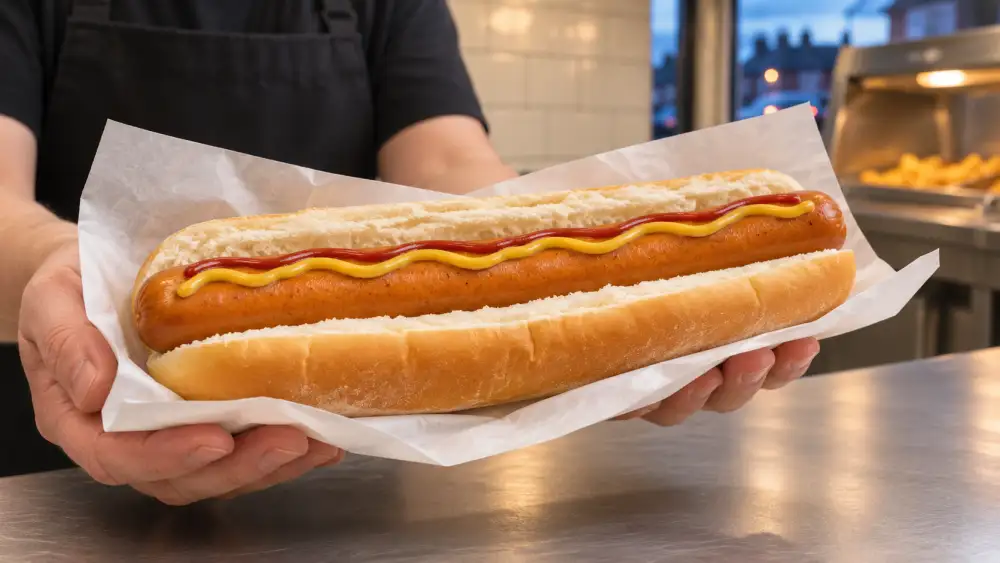
Customers know what they’re ordering when they see ‘jumbo hot dog’ on a chip shop menu. At 150 g, ours fills a long roll and makes a full meal with chips. It’s a pre-cooked pork hot dog with a mild, savoury smoke that comes through with soft onions and mustard. Serve it in a roll or whole in a tray with chips and curry sauce. Either way, the sausage is the reason to order it.
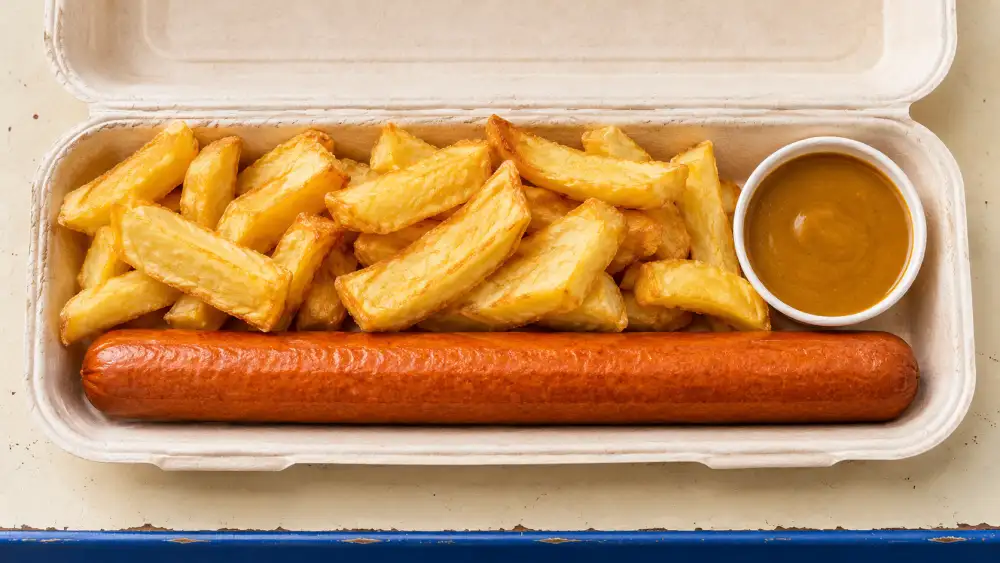
The Jumbo Pork Hot Dog is already listed at Costco UK in a 10 × 150 g pack. That’s ten full portions a shop owner can cost before running it on a regular service. Before putting it on the board, serve one in the roll or tray you’ll actually use. Then cost the whole order, including the chips, sauce and packaging. ‘Jumbo’ is a better selling point when the customer can see where the extra money went. Read our guide to serving the 150 g Jumbo Pork Hot Dog in a chip shop.
Use the griddle, grill, hot water or fryer
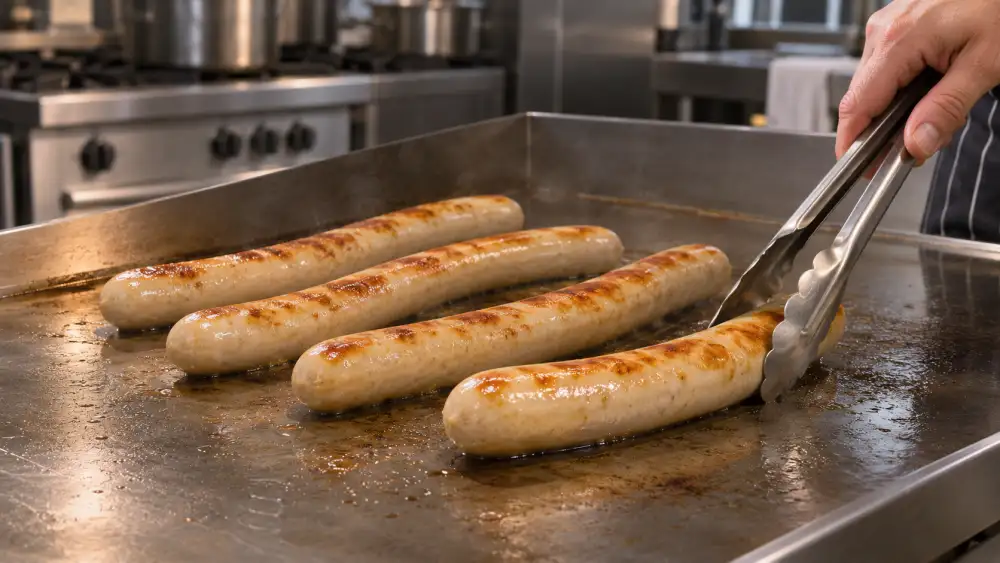
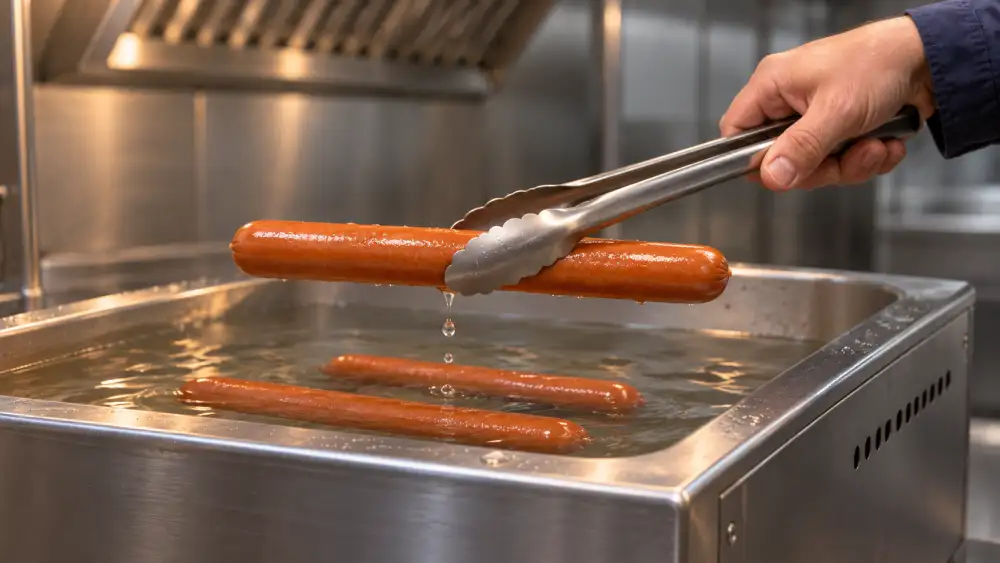
The Jumbo Pork Hot Dog is already cooked and smoked. Heat it on the griddle alongside the onions, put it on the grill for more colour, or heat it through in hot water and serve it straight in the roll. It can go in a commercial deep-fat fryer too. That gives a fish-and-chip shop a useful option with the kit already behind the counter. Follow the instructions for the pack you’re using and check the fryer method on your own equipment. See how to prepare German sausages and hot dogs in a professional kitchen.
Think about which bit of kit will be free when the order comes in. A chip shop may have fryer space at lunchtime and need both baskets for fish and chips at six o’clock. A hot-water setup can keep the hot dogs moving through that rush. At a burger van, the griddle might be the easiest choice because the onions and rolls are already there. Both can serve the same 150 g hot dog using the equipment that suits their service.
Find a place for it in the Friday rush
A jumbo hot dog can do two jobs on a chip shop menu. A roll gives somebody a lunch they can eat on the move. A tray with chips gives them a full takeaway meal. If the shop already has a tray that fits, the tray version is a sensible place to start. The chips, sauces and packaging are already part of the shop’s buying and service routine, so the hot dog is the main new ingredient to pay for and make space for.
Try it on two ordinary services and see what happens when the fish orders come in together. Count what you prepare, sell and have left at the end of each shift. If the jumbo sells well and fits the Friday service, put it on the regular order with the chips, oil and packaging. Use the pack’s storage instructions and remaining shelf life to decide whether to buy one pack or two on the next run.
Bratwurst and Bacon Krakauer for the show circuit
A small showman can go from a local funfair to a county show to a festival in the space of three weekends. The expected crowds change. The pitch, the weather and the other food on offer can change too. The trader still has to get orders out with the equipment and staff that fit the trailer. Two sausages with distinct flavours and a common serving setup give the trader some room to adapt.
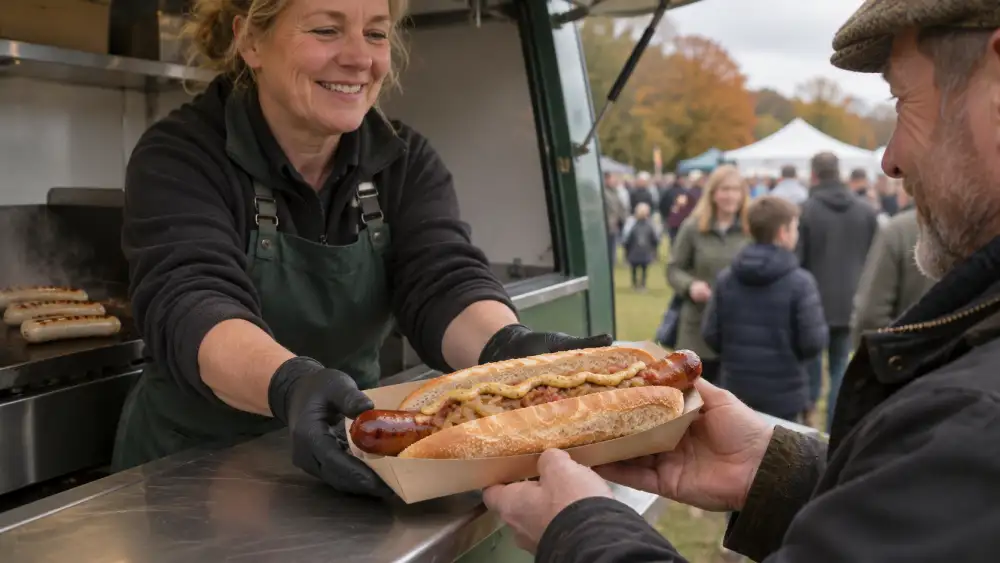
150 g Pork Bratwurst. The classic German sausage to put on the board first. It is mildly seasoned, with marjoram and pepper, and has the size to stand on its own in a long roll. Mustard and onions make a straightforward showground serving. If the stall already sells chips, sliced bratwurst with curry sauce and chips gives the same sausage a second job. See the wholesale Pork Bratwurst.
150 g Bacon Krakauer. This is our Bacon Frankfurter, with smoky bacon pieces, a coarser bite and a fuller flavour. A board that says ‘Smoked Bacon Krakauer’ tells a customer what to expect even if the name is new to them. It can go in the same long roll as the bratwurst, with the same onions and mustard. The difference is in the sausage, so the trader can offer a proper second choice using the same ingredients at the counter. See the wholesale Bacon Frankfurter.
You can keep both options on one board. A sign with ‘German Bratwurst’ and ‘Smoked Bacon Krakauer’, each with the price beside it, lets customers choose while they queue. The person on the till can describe the two in a sentence. Both orders then go through much the same assembly, which matters when one person is taking orders and somebody else is keeping up with the griddle.
Buy for the pitch you’ve got
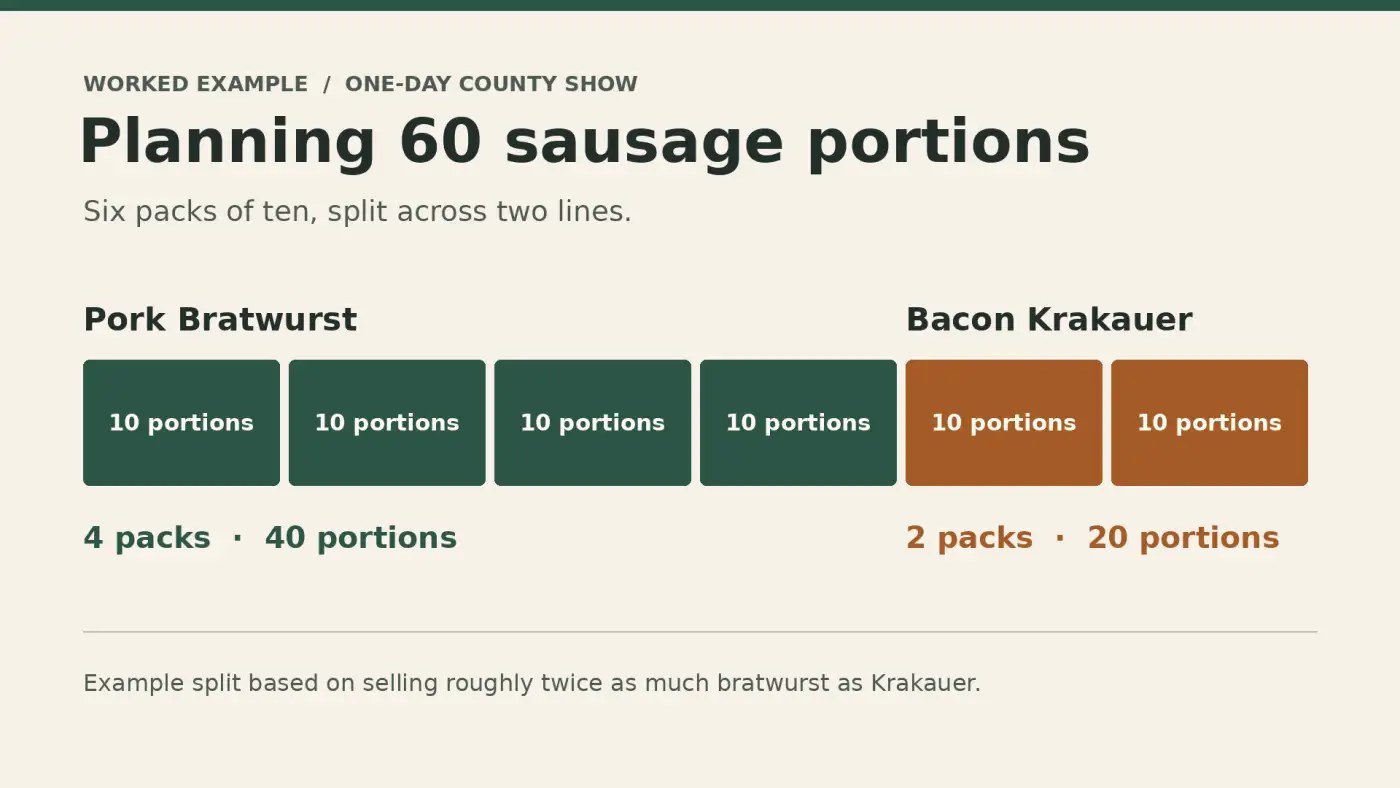
Both are supplied pre-cooked and frozen in packs of ten. That gives a trader who buys for each event a simple way to count stock and plan portions. A trader with a run of bookings can keep unopened packs frozen for later dates and prepare stock for the immediate event in line with the product instructions. It also helps to know exactly what the branch sells as a unit. An inner pack is ten portions. A full outer of ten packs is a hundred. That difference matters if you’re buying for a single pitch and sharing freezer space with chips and other stock.
Say you’re planning for 60 sausage orders at a one-day county show. Six packs cover 60 portions. How you split those packs is where experience pays. If your last two shows sold roughly twice as many bratwurst as Krakauer, four packs of bratwurst and two of Krakauer give you a starting mix. If it’s a new event, use what you know about your pitch, expected trading hours and competing food stands. The total attendance tells you how busy the organiser expects the site to be. Your pitch position and previous sales tell you more about your own stock order.
Keep a count by sausage as well as by event. If the bratwurst sells out at two o’clock, count the hours of afternoon trade it missed as well as the portions it sold. If Krakauer sold steadily right through to closing, that matters to the mix for the next booking. Those are decisions a trader can act on when the next trip to the cash and carry is a few days away.
Who else buys sausages on a cash-and-carry run?
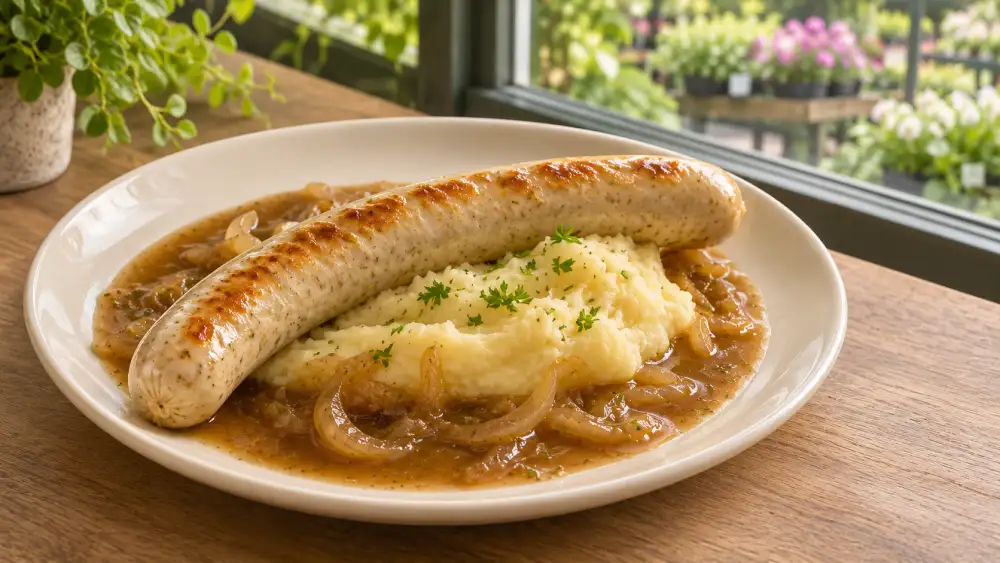
The same 150 g portion can make sense for a café that serves one hot lunch at a time and for a sports kiosk that gets most of its orders at half-time. Each operator buys around a different service. The best fit is usually the dish they can build with the kit and the stock they already have.
| Trade customer | What goes on the menu | What makes it a cash-and-carry buy |
|---|---|---|
| Burger vans and roadside snack bars | A Jumbo Pork Hot Dog with onions as a weekday lunch. Bacon Krakauer makes a second choice on a stand with steady trade. | The van owner is already buying rolls, onions and sauces for the griddle. A regular weekday run makes it easy to buy against recent sales. |
| Independent burger shops and takeaways | A jumbo hot dog and chips as a meal deal or a standalone hot dog for collection. | The shop already has fries, dips and boxes on the order. Cost the meal with the actual roll and carton you’ll use. |
| Sandwich shops and bakeries with a hot counter | A jumbo hot dog in a long roll, or a smoked Bacon Krakauer baguette at lunchtime. | A hot-water setup for the jumbo can leave the grill free for toasties. Check whether one of the breads you already buy fits the full sausage. |
| Small cafés, garden centre cafés and farm shop cafés | A Bratwurst roll for a café with a short lunch menu, or Bratwurst with mash and onion gravy where the café serves plated lunches. | Use the same sausage for a roll or a plate and buy the frozen packs alongside the café’s regular kitchen stock. |
| Pubs and social clubs with a small food menu | A Bratwurst roll or Krakauer and chips for a match night, weekend event or beer garden. | An operator can buy for the dates they plan to serve food and keep unopened frozen packs for the next booking, in line with the pack instructions. |
| Football and rugby club kiosks | A Jumbo Pork Hot Dog in a roll with a choice of ketchup or mustard. | Packs of ten make it easy to count portions against previous fixtures. A simple build helps volunteers serve the half-time queue. |
| Seaside kiosks, holiday park snack bars and leisure cafés | A jumbo hot dog and chips for the family lunch trade. | These outlets can plan pack purchases around weekends, school holidays and booked groups, alongside chips, trays and drinks. |
A sandwich shop might give the hot dog a regular slot at lunch. A social club might sell Krakauer on two Saturdays a month. Both benefit from a product they can collect with the rest of the shop. The wholesaler benefits from serving both purchasing patterns through the same range.
Why this range makes sense for a cash and carry
For a wholesaler, the three products can turn an existing stock run into a bigger catering order. The chip shop, roadside van or sandwich shop has a reason to put the jumbo hot dog on its regular list. The showman can pick up frozen bratwurst and Krakauer with rolls, chips, sauces and trays as the event diary fills. A wholesaler can sell all the ingredients for a hot dog meal, right down to the box it leaves in.
Shape the range to the branch. The jumbo is the first line to put in front of regular takeaway, café and snack-bar customers. Where there’s a strong showground or mobile catering trade, put the bratwurst and Krakauer together and bring them into the seasonal catering offer before the first events. Make the pack count, selling unit and storage format easy to spot. Where the branch can sell by the inner pack, a small operator can try ten portions while a busy trader can buy by the outer case. The same stock can serve an operator testing a lunch special and a showman buying for a full weekend.
Availability carries more weight once a line is on somebody’s menu. If a chip shop has put a jumbo hot dog on the board for Friday, the owner wants to know they can pick it up on Thursday. If a showman is leaving for a county show in the morning, an empty freezer slot can mean another stop before they set off. The local event and fixtures calendar can help the buyer plan the peaks. Normal weekday sales tell them how much jumbo stock to keep between those dates.
Look at who comes back at the normal price. Follow takeaway and café purchases over their usual shopping cycle and check write-offs alongside the margin. For event traders, look at whether they buy again for the next booking and which sausages they take. Then check what else comes through on those orders. A pack of jumbo hot dogs sold with rolls, sauce and cartons tells the buyer more about the opportunity than sausage sales alone. That’s how three products can earn their space in a cash and carry.
Contact The Sausage Haüs trade team for samples, product specifications and wholesale pricing.
Frequently Asked Questions
Check with your branch before you set off. The Costco listing covers the Jumbo Pork Hot Dog in the 10 × 150 g pack. For the bratwurst and Bacon Krakauer, give your branch the exact product name and ask whether it stocks the 150 g line or can order it for collection. If you’re adding one to a printed menu, check the usual replenishment day as well.
Work out how much extra it costs to put the full order across the counter. If the jumbo version costs 60p more to make and pack, it needs 60p more in net sales to leave the same amount after food and packaging. If it needs a longer roll or a larger tray, count those in the uplift.
Send one on a test run in the packaging you intend to use. Open it after a typical journey and see how the roll holds up, whether the toppings have stayed in place and whether the chips are still crisp. If the order travels better with chips packed separately, include the extra carton and any platform fee when you price it for delivery.
Shared oil can transfer allergens between foods. A second basket in the same vat still uses the same oil. Include the fish, batter and anything else fried in that oil in your allergen assessment. If your assessment calls for separation, prepare the hot dog on suitable separate equipment.
Check what the unit is designed to do. If it’s a hot-holding bain-marie, heat the sausages through first using the product instructions, then transfer them to the preheated unit. If you’re using a dedicated hot dog cooker, check the manual for its heating and holding functions.
Compare gross profit after write-offs across the whole sausage category with comparable weeks before the trial. Then look at which accounts bought the new lines and what they used to buy. If a trader who usually takes only rolls and trays starts taking sausages too, the branch has picked up more of that account’s shop. If existing sausage buyers switch lines, check whether the change improves the return on the space the range takes up.
From the first pack to the next stock run
For a chip shop, burger van or café, the 150 g Jumbo Pork Hot Dog is a meal-sized portion that fits the equipment already in the kitchen. For a showman or mobile caterer, Pork Bratwurst and Bacon Krakauer give customers a choice between a mild German classic and a smoky bacon sausage. Both can go through the same griddle and into the same roll.
That gives the cash and carry a three-line range that can serve weekday lunches as well as weekend events. Offer it in quantities small operators can use and make it easy to pick up with the rolls, chips and packaging. Once a dish earns a regular place on the menu, the sausage has a reason to go in the trolley on the next stock run.
The Sausage Haüs
The Sausage Haus brings authentic German-style sausages to the UK market through a partnership between Hardy Remagen and Baird Foods.
Hardy Remagen is a long-established German producer with deep experience in traditional sausage making, continental meat products and modern food manufacturing. The range reflects the kind of products German shoppers already understand and enjoy: Bratwurst, Frankfurters, smoked hotdogs, cheese-filled sausages, Bockwurst, Weisswurst and other classic German-style lines.
In the UK, the range is represented and distributed by Baird Foods, giving retailers, wholesalers, caterers and foodservice operators access to German sausage products with a practical UK supply route. This combination is important: German manufacturing knowledge on one side, UK market understanding and distribution on the other.
For retail buyers, The Sausage Haus range offers a clear way to add something different to both chilled and frozen sausage fixtures. The products are built around real eating occasions: BBQs, premium hotdog nights, family meals, German street food, Oktoberfest promotions, Christmas market food and quick comfort meals at home.
The result is a range that gives shoppers something more distinctive than ordinary sausages and standard hotdogs, while giving buyers a compact, commercially useful product story with strong fresh and frozen potential.