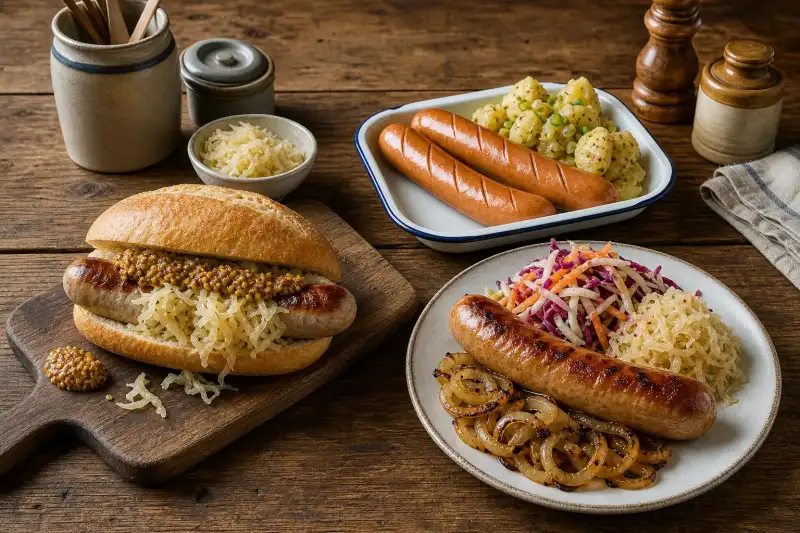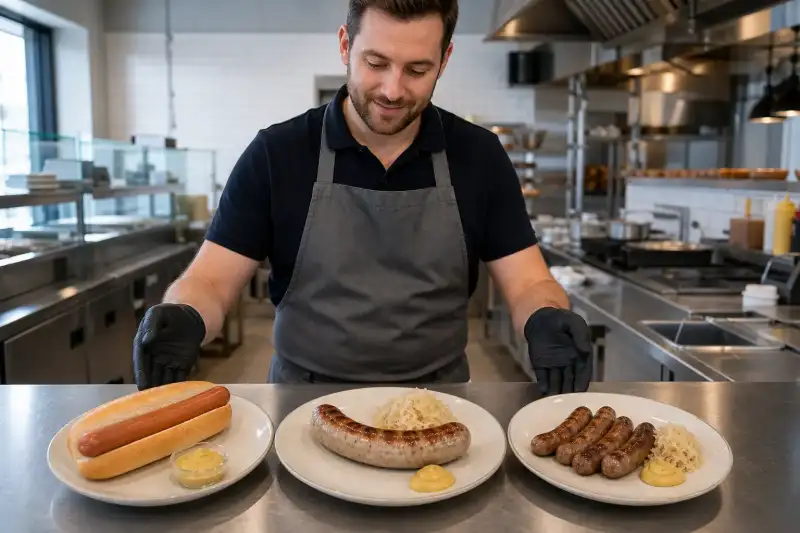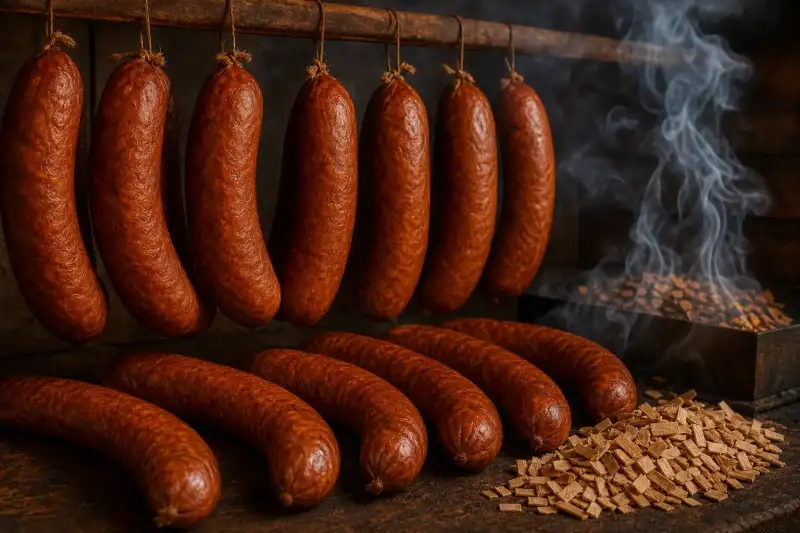
German side dishes can turn a decent sausage offer into a plate people actually remember. The best side dishes for sausages add contrast, comfort or freshness without creating needless labour. For UK operators, that matters because easy German side dishes can improve flavour, perceived value and service flow at the same time.
Balance Rich Sausages

Match Sides to Service

Use Potatoes for Value
Introduction
German side dishes are often treated as an afterthought, which is a slightly unfair fate for the food doing most of the balancing work on the plate. A sausage can be excellent, but without the right support it can feel heavy, one-note or oddly unfinished. That is why side dishes for sausages deserve proper thought, especially in pubs, catering, festivals and street food where the whole meal has to make sense quickly.
If you are deciding what to serve with sausages, the useful question is not just what looks traditional. It is what works in real service. Easy German side dishes such as potato salad, sauerkraut, braised cabbage and pan-fried potatoes
Traditional German side dishes also give you more flexibility across formats. Some German sausage sides suit plated meals, while others are better for trays, counters or pub specials. In the UK market, sausage side dishes UK customers understand are usually the ones that feel hearty but balanced. That is why German side dishes remain so useful: they solve flavour, texture and value in one move.
Key Takeaways
- German side dishes work best when they balance richness rather than simply adding bulk.
- The best side dishes for sausages improve perceived value without slowing service.
- Easy German side dishes such as potato salad and sauerkraut are popular because they are practical as well as tasty.
- If you are wondering what to serve with sausages, match the side to the service format, not just the tradition.
- Traditional German side dishes still work because they bring familiarity, texture and strong flavour contrast.
- Good German sausage sides help sausage side dishes UK menus feel more complete and commercially credible.
Why German Side Dishes Work So Well with Sausages
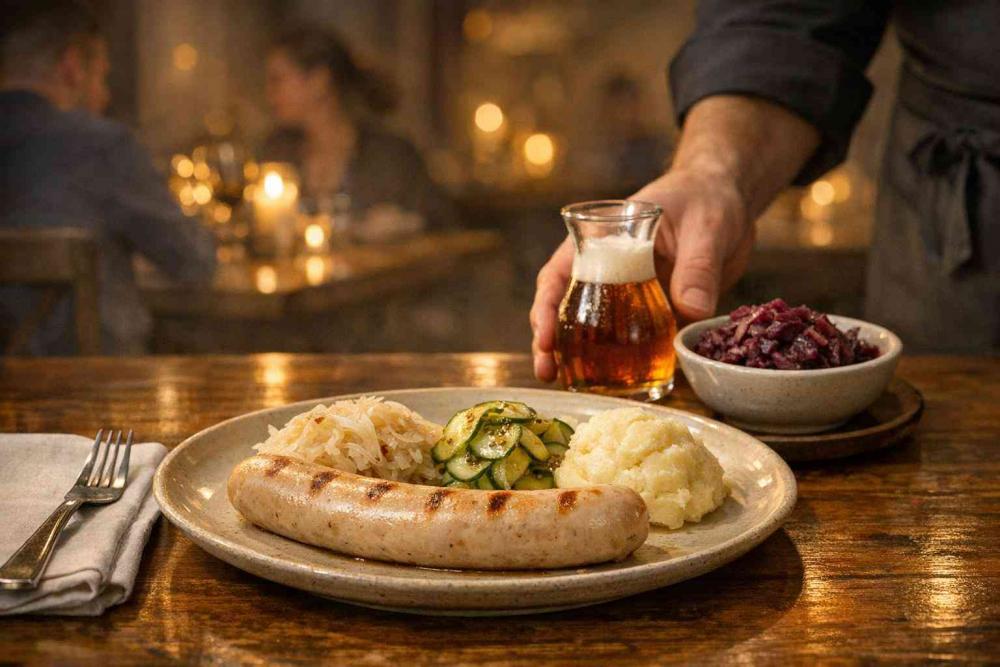
German side dishes work so well with sausages because they do more than fill the plate. A good side dish changes how the sausage eats. It can add acidity, softness, crunch, sweetness, warmth or freshness, which makes the whole meal feel more balanced and less heavy.
This recipe guide from Chefkoch is useful for comparing bratwurst side dishes that keep the plate balanced and less heavy.
That matters because sausages are naturally rich, savoury and satisfying. Without contrast, even a good bratwurst, frankfurter or hotdog can start to feel one-dimensional. Sauerkraut, potato salad, red cabbage, cucumber salad or a sharp mustard-based dressing all help cut through the richness. On the other side, dishes such as fried potatoes, mash or dumplings add comfort and make the offer feel more generous.
For UK operators, this is commercially useful. The right side dish can make a sausage meal feel more complete without needing expensive ingredients or complicated preparation. It also gives customers a clearer reason to choose a plated meal, loaded tray or premium special instead of a basic sausage in a bun.
German sausage sides are especially strong because they are familiar enough to feel approachable, but distinctive enough to add character. They create a sense of occasion around the sausage. That is the real value: the side dish helps turn a simple product into a proper menu item.
How to Choose the Right Side Dish for Your Service Format
The best side dish is not always the most traditional one. It is the one that fits the way you actually serve food. A pub kitchen, a festival trailer and a catering counter all need different answers, even if they are using the same sausage.
This hospitality resource from the Institute of Hospitality outlines professional development for chefs, caterers, and teams refining service standards for a catering counter.
For plated pub meals, you can use sides with more structure and comfort. Warm potato salad, braised red cabbage, pan-fried potatoes, mash or dumplings can all work well because the customer is sitting down and expecting a fuller meal. These sides help justify a higher menu price and make the dish feel more complete.
For street food, festivals and fast service, the side needs to be quicker, cleaner and easier to portion. Sauerkraut, crispy onions, pickles, German-style slaw or a simple potato salad can add flavour without slowing the line. In that setting, the side dish should improve the eating experience without making the tray messy or hard to handle.
For buffets, events and catering, consistency becomes the main issue. The best sides are the ones that hold well, look good for longer and do not collapse under heat or waiting time.
A useful rule is simple: match the side to the service pressure. If the side slows the kitchen, weakens the presentation or creates waste, it is probably not the right one, however traditional it may be.
20 Easy German Side Dishes for Sausages
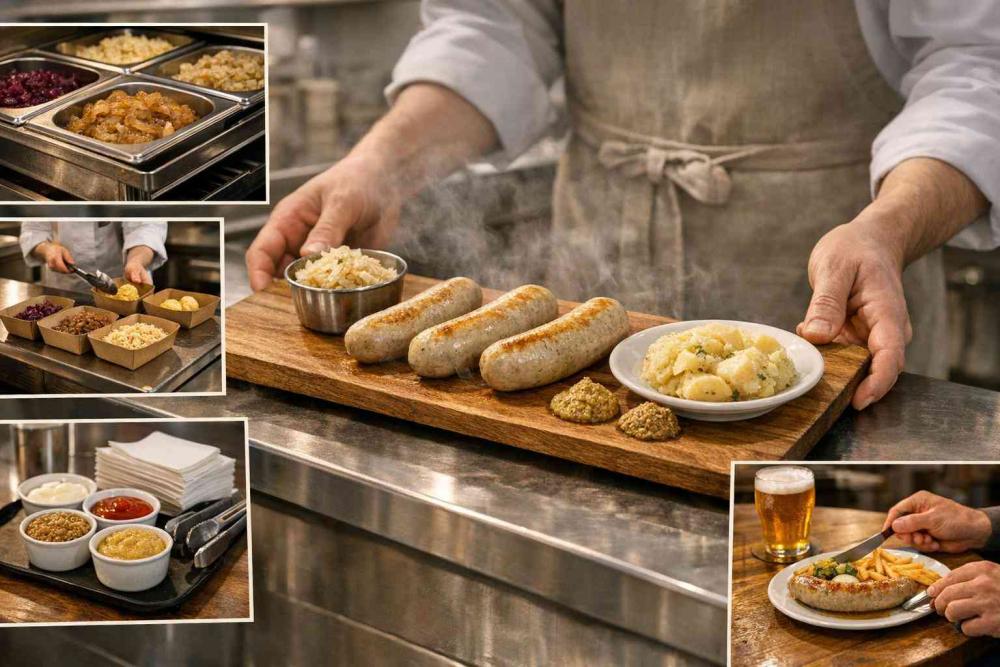
The best German side dishes for sausages are not always the most complicated ones. In real foodservice, the strongest choices are usually sides that can be prepped ahead, portioned cleanly, held safely and served quickly without losing their appeal. These 20 ideas cover the main styles that work well with bratwurst, frankfurters, hotdogs and other German sausage dishes.
1. German Potato Salad
German potato salad is one of the most useful side dishes for sausages because it gives comfort without feeling too heavy. A warm version with vinegar, mustard, onion and herbs works especially well because the acidity cuts through the richness of the sausage.
This recipe guide shows how to make Swabian German potato salad with the warm vinegar dressing that works especially well alongside sausages.
For UK operators, this is a practical side because it can suit pubs, catering trays, buffet service and plated specials. It also feels recognisable to customers while still adding a clear German angle. A small portion beside a bratwurst can make the dish feel much more complete without needing expensive ingredients.
2. Sauerkraut
Sauerkraut is probably the most obvious German sausage side, but it remains popular for a reason. Its sharpness balances fatty, smoky and savoury sausages very well. It also adds a traditional German feel instantly, even when the rest of the plate is kept simple.
In service, sauerkraut is useful because it is easy to portion and can be served warm or cold depending on the format. Warm sauerkraut works well with plated meals, while a smaller cold portion can suit hotdogs, trays and festival food. The key is not to overload the plate. Used properly, sauerkraut adds contrast rather than dominating the dish.
3. Braised Red Cabbage
Braised red cabbage brings colour, sweetness and acidity to a sausage plate. It works particularly well with smoked sausages, pork bratwurst and autumn or winter specials. The deep red colour also improves presentation, which can matter when the dish is simple.
This recipe guide shows how to make braised red cabbage with the sweet-sour balance that works especially well alongside bratwurst and other pork sausages.
This is a strong choice for pubs and catering because it can be made ahead and held well. A good red cabbage side should be soft but not mushy, with enough vinegar or apple sharpness to stop it becoming too sweet. It gives the plate a more traditional, generous feel and helps turn sausages into a proper seasonal dish.
4. Pan-Fried Potatoes
Pan-fried potatoes are a very natural match for German sausages. They are crisp, familiar and satisfying, which makes them easy for UK customers to understand. In Germany, fried potatoes are often served with simple meat dishes because they add both texture and comfort.
For operators, the main advantage is flexibility. Pan-fried potatoes can work as a pub side, a brunch-style offer, a beer garden dish or a hearty special. They can be seasoned simply with onion, parsley and black pepper, or made richer with bacon pieces if that suits the menu. They are not the fastest side in high-volume service, but for seated meals they add strong value.
5. Mashed Potato
Mashed potato is not the most distinctive German side dish, but it works extremely well with sausages because it gives softness and comfort. It is especially useful when serving smoked sausage, bratwurst with gravy, or a more British-German pub plate.
The commercial benefit is clear: mash is familiar, affordable and easy to explain on a menu. It can also help customers who are less confident with sauerkraut or cabbage-based sides. To make it feel more German, it can be served with mustard gravy, fried onions or a small portion of sauerkraut on the side. This gives the plate a more distinctive identity without making it unfamiliar.
6. Kartoffelpuffer
Kartoffelpuffer are German potato pancakes, usually made with grated potato and onion, then fried until crisp. They bring crunch, warmth and a more special feel than standard potato sides. They work very well with bratwurst, especially when served with apple sauce, sour cream or mustard.
For foodservice, they are best suited to specials, Christmas markets, German-themed events or plated pub dishes. They are less ideal for very fast service unless the kitchen has a reliable holding or finishing method. When done well, though, they give the dish a stronger sense of occasion and can justify a more premium price.
7. Potato Dumplings
Potato dumplings are a traditional German comfort side. They are filling, mild and very good at carrying sauces, gravies and pan juices. With sausages, they work best when the dish has a sauce element, such as onion gravy, mustard sauce or braised cabbage juices.
They are more suitable for plated meals than street food because they need the right setting to make sense. For pubs, restaurants and winter menus, they can help create a hearty German-style dish that feels different from the usual sausage and chips format. They are not the lightest option, but they can be excellent when the goal is warmth, comfort and value.
8. Cucumber Salad
German cucumber salad is a useful lighter side because it brings freshness to the plate. A simple version with thinly sliced cucumber, vinegar, dill, onion and a little sugar can cut through rich sausages very effectively. A creamy version can also work, but the sharper vinegar-based style is often better with bratwurst and hotdogs.
For UK operators, cucumber salad is useful because it feels fresh without being complicated. It suits summer menus, beer garden service, buffets and lighter sausage specials. It also helps balance plates that would otherwise be dominated by potato, bread or fried sides.
9. German-Style Coleslaw
A German-style cabbage slaw can be a very practical side for sausages. Compared with heavy mayonnaise coleslaw, a vinegar-based slaw feels sharper, cleaner and more suitable next to grilled or smoked sausages. It adds crunch, acidity and colour without making the plate feel overloaded.
This is a strong option for street food and festival service because it is easy to portion and works well in trays. It can also be used inside buns or alongside loaded fries. For commercial use, it offers a good balance between cost, speed and freshness. It is one of the easiest German side dishes to adapt for UK customers.
10. Pickled Gherkins
Pickled gherkins are small, but they do a lot of work. They bring sharpness, crunch and a familiar deli-style flavour that works naturally with sausages, mustard and bread. They are especially useful with frankfurters, smoked hotdogs and currywurst-style dishes.
From an operator’s point of view, pickles are one of the easiest ways to improve a sausage plate. They require little preparation, portion cleanly and reduce the heaviness of the meal. They also make the plate look more complete. Even a small garnish of sliced gherkins can improve the eating experience and make the dish feel more considered.
11. Pretzel Rolls
Pretzel rolls are a strong side or carrier for German sausages because they immediately give the dish a more authentic feel. Their chewy texture and savoury crust work well with mustard, bratwurst and frankfurters. They can be used instead of a standard hotdog roll or served on the side of a plated meal.
For UK operators, pretzel rolls are commercially useful because they look premium. They help move the offer away from a generic sausage bun and towards a more distinctive German food concept. They are particularly good for pubs, beer gardens, events and Oktoberfest-style menus.
12. Rye Bread
Rye bread is a simple but effective side for sausages, especially when the plate includes sauerkraut, mustard, pickles or smoked sausage. It has more character than plain white bread and helps create a more traditional German-style board or platter.
This works particularly well for sharing plates, deli-style lunches and cold or mixed sausage boards. It is also useful when you want a lower-labour side that still feels intentional. A few slices of rye bread with butter, mustard or pickles can give the customer a more complete meal without adding much kitchen complexity.
13. Mustard Potato Mash
Mustard potato mash is a simple way to make a familiar side feel more connected to German sausages. Instead of serving plain mash, a mild mustard or wholegrain mustard can be folded through to add warmth and sharpness. It works especially well with bratwurst, smoked sausages and onion gravy.
This is a good option for pubs because it keeps the dish approachable while adding a clear flavour link. It can be used in winter specials, sausage-and-mash plates or more premium comfort food menus. The mustard should support the sausage, not overpower it. A balanced version makes the whole dish feel more joined up.
14. Warm Lentil Salad
Warm lentil salad is a less obvious German sausage side, but it can work very well. Lentils bring earthiness and substance, while vinegar, herbs and onion keep the dish from becoming too heavy. This kind of side suits smoked sausages particularly well.
For operators, lentil salad can be useful when you want something hearty but not potato-based. It also gives the menu a slightly more grown-up, bistro-style feel. It can work for pubs, cafés and catered events where customers may want a more balanced plate. Served warm, it feels comforting. Served at room temperature, it can still work well for buffet-style service.
15. Spaetzle
Spaetzle are small German egg noodles, often served with butter, herbs or cheese. With sausages, they can create a very satisfying plate, especially when paired with gravy, onions or braised cabbage. They are soft, comforting and different enough to feel like a proper German menu feature.
Spaetzle are best used for plated meals rather than fast takeaway formats. They can be excellent for seasonal specials, pub menus and German-themed evenings. A cheese spaetzle version is richer and more indulgent, while a buttered herb version keeps the focus more clearly on the sausage. Either way, it adds a distinctive German identity.
16. Fried Onions
Fried onions are one of the simplest sausage sides or toppings, but they are also one of the most effective. They add sweetness, aroma and texture, and they work across almost every service format. They can sit on top of hotdogs, bratwurst buns, currywurst trays, mash or pan-fried potatoes.
For UK operators, fried onions are commercially attractive because customers understand them immediately. They add perceived value without requiring a complicated explanation. The important point is consistency. Soft caramelised onions suit plated meals, while crisp onions may work better for faster service and loaded formats.
17. German Beer Gravy
Beer gravy is more of a sauce-side than a standalone side dish, but it can transform a sausage plate. It works especially well with mash, dumplings, fried potatoes or braised cabbage. A good beer gravy adds depth and makes the dish feel more like a complete pub meal.
This is particularly useful for operators who want to build a German-inspired special without changing the whole menu. Bratwurst with mustard mash and beer gravy is easy for UK customers to understand, but it still feels more distinctive than standard sausage and mash. It can also help justify a higher price point.
18. Apple Slaw
Apple slaw brings freshness, crunch and mild sweetness to sausage dishes. It works especially well with pork bratwurst, smoked sausages and richer hotdogs. The apple helps lift the dish while the cabbage keeps it practical and affordable.
This is a strong choice for warmer months, beer gardens and lighter specials. It can also make a sausage tray feel fresher without moving too far away from familiar ingredients. A vinegar-based dressing usually works better than a heavy creamy one when the sausage is already rich. The result is a side that feels crisp, clean and easy to eat.
19. Chips with German-Style Seasoning
Chips are not a traditional German side in the same way as sauerkraut or potato salad, but they are one of the most useful sides for UK sausage menus. The key is to make them feel connected to the German offer rather than simply adding a generic portion of fries.
That can be done with currywurst seasoning, paprika salt, crispy onions, mustard mayo or a small sauerkraut garnish. For high-volume service, chips are often one of the most practical sausage sides because customers already understand the format and the kitchen workflow is familiar. Done well, they can support a faster, cleaner and more profitable sausage offer.
20. Mixed German Side Plate
A mixed German side plate can be the best option when you want variety without creating a complicated main dish. A small portion of potato salad, sauerkraut, pickles and bread can turn a sausage into a more complete German-style meal. It also gives customers several contrasts in one plate: sharp, soft, crunchy and savoury.
This works well for pubs, catering menus, tasting boards and Oktoberfest-style offers. It can also help operators test which German sausage sides customers respond to best before committing to a larger menu change. The main rule is portion control. The plate should feel generous and varied, but the sausage must still remain the centre of the dish.
Best Potato Side Dishes for German Sausages
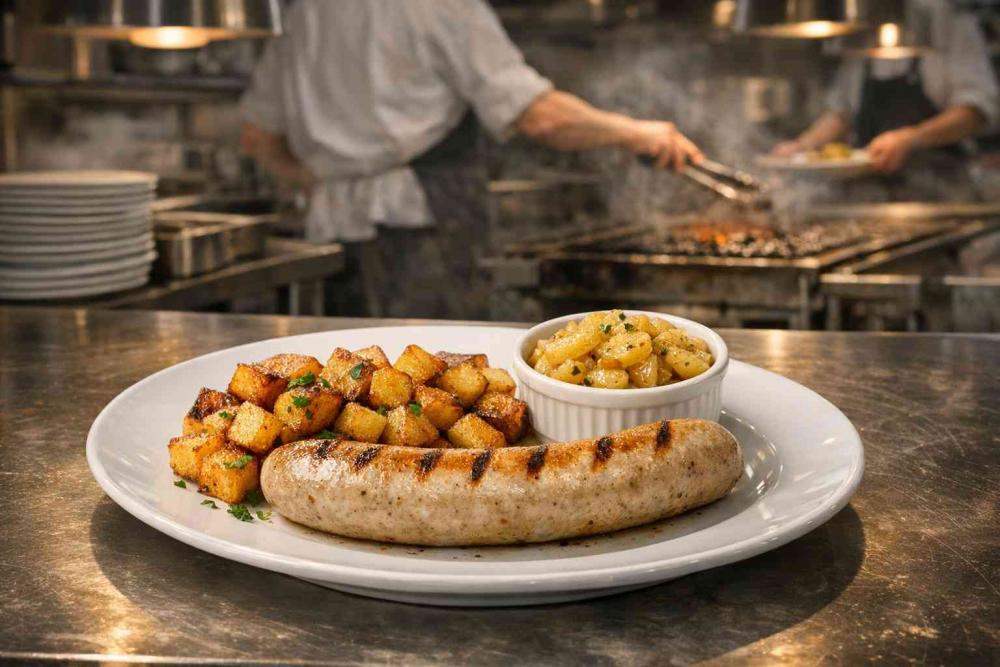
Potatoes are one of the safest and most useful partners for German sausages. They are familiar to UK customers, easy to explain on a menu and flexible enough to work in both traditional and modern formats. The key is choosing the potato side that suits the dish, not just adding potatoes because they are expected.
German potato salad is often the strongest all-rounder. A vinegar-and-mustard version gives the plate acidity as well as comfort, which makes it especially good with bratwurst, frankfurters and smoked sausages. It can be served warm or at room temperature, which also makes it practical for catering, buffets and event menus.
Pan-fried potatoes are better when the offer needs more texture. They bring crisp edges, savoury depth and a more pub-friendly feel. They work well with fried onions, herbs, bacon pieces or a simple mustard sauce. Mash, on the other hand, is best when the dish leans into comfort: bratwurst with mustard mash, onions and gravy is easy for UK customers to understand.
For a more distinctive German special, potato pancakes or dumplings can add character. They are less suitable for very fast service, but they can work well on seasonal menus, Oktoberfest specials or plated pub dishes where the customer expects something more substantial.
The commercial advantage is simple: potato sides increase perceived value without making the sausage less central. Used well, they make the dish feel complete, generous and easy to sell.
Fresh, Pickled and Braised Sides That Cut Through Richness
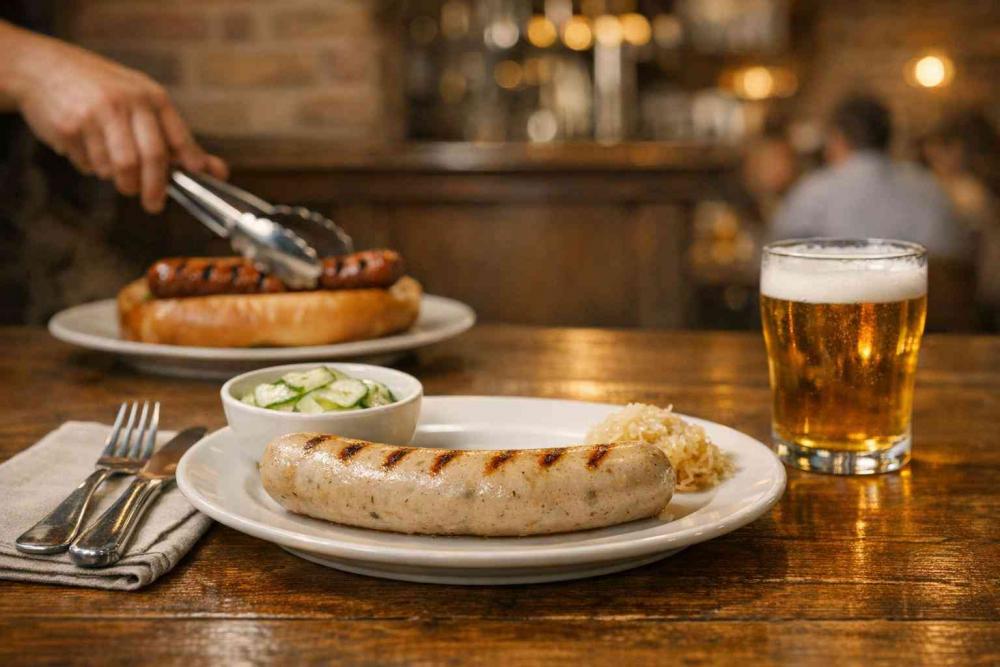
Sausages need contrast. That is where fresh, pickled and braised sides are especially useful. They stop the plate becoming too rich and help customers enjoy the whole meal from first bite to last.
This recipe guide shows how a creamy German cucumber salad can add the fresh, pickled and braised sides balance that works so well with rich sausages.
Sauerkraut is the classic example. Its sharpness cuts through fat and smoke, which makes it a natural match for bratwurst, frankfurters and hotdogs. It also signals German food immediately, even when used in a small portion. For many operators, sauerkraut works best as a controlled accent rather than a huge mound. Too much can dominate the plate; the right amount makes the sausage taste better.
Braised red cabbage works differently. It brings sweetness, acidity and colour, making it ideal for autumn and winter specials. It is especially useful for pubs because it holds well and makes a sausage plate look more generous and seasonal. Cucumber salad, apple slaw and vinegar-based cabbage slaw are lighter options for spring, summer and faster service formats.
Pickled gherkins also deserve more credit. They are low-labour, easy to portion and add crunch and acidity with almost no kitchen pressure. A few slices can lift a hotdog, platter or sausage-and-potato dish instantly.
These sides are commercially valuable because they improve balance without adding much complexity. They make the meal feel fresher, sharper and more considered, which helps German sausage dishes avoid the “heavy plate” problem.
How UK Operators Can Turn Sausage Sides into Better Menu Value
For UK operators, side dishes are not just extras. They are part of the value structure of the whole sausage offer. A plain sausage can look simple, even if the product itself is excellent. Add the right side, and the same sausage can become a plated meal, a special, a sharing board or a premium tray.
This hospitality careers resource shows how varied presentation formats, from plated meals to a premium tray, can help chefs and operators think more creatively about sausage menu development.
The first step is to use sides to create clear menu tiers. A bratwurst in a bun can sit at the quick-service level. Bratwurst with potato salad and sauerkraut can become a fuller lunch option. A smoked sausage with mustard mash, beer gravy and braised red cabbage can become a proper pub main. The sausage stays central, but the sides give the menu more structure.
Good sides also help with presentation. Colour from red cabbage, freshness from cucumber salad, sharpness from pickles and texture from fried onions can make a plate look more complete without expensive garnish work. This matters because customers often judge value before they take the first bite.
Operators should also think about repeatability. The best sausage sides are not just tasty once; they are easy to portion, cost, prep and serve consistently. A side that slows service or creates waste can damage the margin, even if it sounds attractive on paper.
Used properly, German sausage sides help increase perceived value, support better menu pricing and give customers a clearer reason to choose a full meal rather than a basic sausage option.
Frequently Asked Questions
Most operators do not need a long list of sides. A tighter choice of three to five well-chosen sides is usually more useful than a large menu that slows prep and creates waste.
practical setup could include one potato side, one sharp or pickled side, one fresh side and one more filling option for plated meals. For example, German potato salad, sauerkraut, cucumber salad and pan-fried potatoes would already give enough flexibility for most sausage dishes. The aim is not to look extensive. The aim is to make every side earn its place.
Sauerkraut, braised red cabbage, potato salad, pickled gherkins and some slaw-style sides are usually easier to manage than sides that need last-minute frying or delicate finishing.
For high-volume trading, the best sides are the ones that can be portioned quickly and still look good after a short holding period. Pan-fried potatoes, potato pancakes and dumplings can be excellent, but they need more control over timing, texture and heat. They are better suited to pubs, specials and seated service than a very fast festival line.
Many will, especially if it is presented properly. The mistake is treating sauerkraut as a huge, challenging side rather than a sharp, useful contrast.
smaller portion served with bratwurst, frankfurters, mustard and potatoes is often much easier for UK customers to accept. It feels traditional without overwhelming the dish. Operators can also describe it clearly on the menu, for example as “warm German sauerkraut” or “sharp sauerkraut garnish” rather than assuming everyone already knows what to expect.
German potato salad is probably the safest starting point. It feels familiar enough for UK customers, but still gives the dish a more German identity than plain chips or standard salad.
vinegar-and-mustard version works especially well because it adds both comfort and acidity. That means it supports the sausage rather than simply adding more heaviness. For pubs, cafés and catering menus, it is one of the easiest sides to explain and one of the most useful to repeat consistently.
It depends on the format. For pubs and seated meals, a complete plate often works better because it helps customers understand the value immediately. A sausage with potato salad, red cabbage and mustard looks like a proper meal, not just a sausage with extras added on.
For street food, festivals and counters, separate or optional sides can make more sense. They allow quicker service, easier upselling and better portion control. The important point is clarity. Customers should quickly understand what is included, what is optional and what makes the dish worth upgrading.
No, not if they are used honestly and intelligently. Chips are not the most traditional German side, but they are extremely practical for UK sausage menus. In many trading environments, they are also what customers expect.
The trick is to connect them to the German offer rather than serving them as a generic afterthought. Paprika salt, currywurst sauce, mustard mayo, crispy onions or a small sauerkraut garnish can make chips feel more relevant to the dish. That gives operators a useful compromise between authenticity and real UK demand.
For a premium special, choose sides that add colour, contrast and a sense of occasion. Braised red cabbage, mustard mash, warm potato salad, beer gravy, fried onions or potato pancakes can all help make the dish feel more valuable.
The side should support the sausage rather than distract from it. A smoked sausage with mustard mash and red cabbage can feel like a strong pub main. A bratwurst with warm potato salad, sauerkraut and pickles can feel more German and lighter. The best premium combinations are still simple enough to execute consistently.
The main mistake is adding sides that sound attractive but do not fit the service setup. A side that needs too much last-minute attention can slow the line, damage consistency and reduce margin.
Operators should also avoid overloading the plate with too many heavy elements. Sausage, mash, fried potatoes and dumplings on one plate may sound generous, but it can eat too heavily. A better plate usually has one comfort element and one sharp or fresh contrast. That is what keeps the dish satisfying rather than tiring.
Yes, but the sides need to be chosen for holding quality and clean presentation. Potato salad, sauerkraut, braised red cabbage, pickles, rye bread and cucumber salad can all work well in the right setup.
For buffets, avoid sides that lose texture quickly or need constant finishing. Also think about serving temperature, labelling, allergens and how the food will look after the first group of guests has taken a portion. A side that tastes good but collapses visually can make the whole offer feel less professional.
Good sides improve margin when they add visible value without adding unnecessary labour or expensive ingredients. Potato, cabbage, onions, pickles and bread can all be cost-effective, but they still make a plate feel fuller and more complete when used well.
The key is presentation and balance. A small portion of bright red cabbage, a neat spoonful of potato salad and a few pickles can make a sausage dish look more considered than a large pile of low-cost filler. Customers are not only buying quantity. They are buying a meal that feels complete, tasty and worth the price.
Conclusion
German side dishes matter because they shape the whole meal, not just the edges of the plate. The right side can make sausages feel sharper, more balanced and more generous. That is useful for the customer, but it is also useful for the operator because good side dishes for sausages help justify price, improve presentation and give the menu more structure.
In practice, easy German side dishes earn their place because they are workable under real conditions. Potato salads, sauerkraut, braised red cabbage and fried potatoes remain strong answers to what to serve with sausages because they deliver flavour without demanding excessive complexity. Traditional German side dishes are still relevant precisely because they solve real problems in flavour, texture and service.
If you want a stronger sausage offer, choose German sausage sides with the same care you give to the sausage itself. That is how sausage side dishes UK operators use can move from filler to selling point. And if you want authentic German sausages that stand up properly next to those sides, The Sausage Haus is a sensible place to start.
About The Sausage Haus
The Sausage Haus supplies authentic German sausages for UK operators who want more than a generic sausage offer. The focus is on flavour, texture and dependable service performance across pubs, catering, festivals, street food and wholesale foodservice. That gives operators a stronger foundation for building dishes around German side dishes that feel complete, commercially sensible and easier to repeat under pressure.
Our sausages are produced by Remagen and distributed in the UK by Baird Foods, combining German know-how with practical foodservice supply. That means products with the character to work naturally alongside easy German side dishes, traditional German side dishes and other German sausage sides that customers already understand and enjoy. If you want a faster, cleaner and more reliable German sausage system, The Sausage Haus is built around exactly that brief.