The Istanbul Fire Dog turns a 150g Chilli Beef Frankfurter into a distinctive summer pub dish with roasted pepper muhammara, cooling whipped feta, sumac onions, charred aubergine, pomegranate and pistachio. Served with sumac-lemon fries, it combines familiar pub comfort with bold Turkish-inspired flavours while remaining practical enough for a busy commercial kitchen.

Bold, Familiar Pub Appeal

Built Around a Big Frankfurter

Fast, Consistent Service
Overview
This article outlines a premium pub hot dog built around a 150g Chilli Beef Frankfurter, paired with roasted pepper muhammara, whipped feta yoghurt, sumac onions, charred aubergine, pomegranate, pistachio and herbs.
The dish is designed to keep the familiar appeal of a hot dog and fries while adding Turkish-inspired colour, acidity, creaminess and crunch. It is positioned as a seasonal special that can suit lunch, evening and beer-garden service.
For busy kitchens, the focus is on advance preparation, controlled portions and a repeatable build so the finished plate looks considered without relying on complex last-minute cooking.
Key Takeaways
- A 150g Chilli Beef Frankfurter gives the dish enough scale and flavour to work as a main-course pub special.
- Muhammara, whipped feta yoghurt and sumac onions can be prepped ahead, helping service stay fast and consistent.
- The flavour balance depends on contrast: smoky chilli beef, cooling dairy, sharp onions, sweet pepper sauce and fresh garnishes.
- Sumac-lemon fries keep the plate familiar while extending the Turkish-inspired seasoning in a simple, service-friendly way.
- Portion control matters, especially with sauces, pistachios, feta and pomegranate, to protect consistency and food cost.
Why the Istanbul Fire Dog Works on a Summer Pub Menu
Summer pub menus need dishes that feel generous without becoming too heavy. The Istanbul Fire Dog achieves that balance by combining a substantial Chilli Beef Frankfurter with bright, fresh toppings and a side that still feels familiar to pub customers.
The dish has enough theatre to earn a place on a specials board. Deep red muhammara, pale whipped feta, pink sumac onions, green herbs, ruby pomegranate and golden pistachios create strong colour contrast before the customer has taken the first bite. That visual impact matters for terrace dining, social media and word-of-mouth recommendations.
The flavour profile also feels current without being difficult to understand. Customers already recognise ingredients such as roasted peppers, feta, yoghurt, chilli and pomegranate, even if they have never tried muhammara before. Describing it clearly as a roasted pepper and walnut sauce keeps the menu accessible.
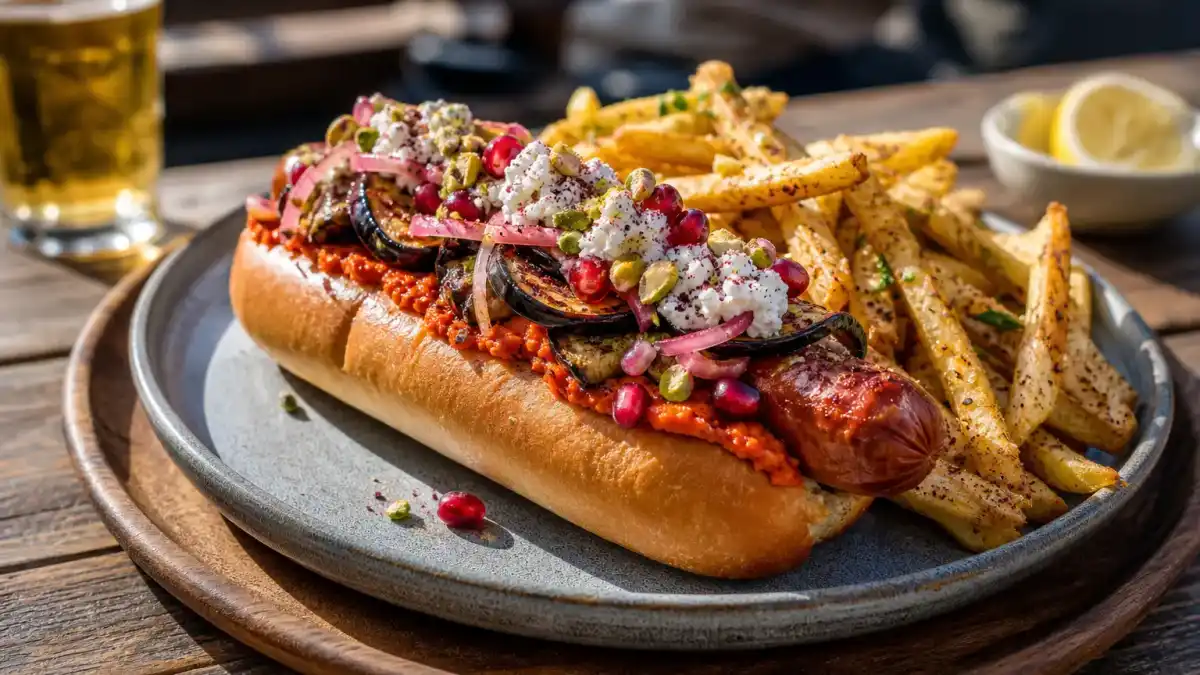
Most importantly, the dish remains recognisably a hot dog. The roll, sausage and fries give customers the comfort and familiarity they expect from pub food, while the Turkish-inspired garnishes make it feel more considered and distinctive.
This balance gives operators several useful advantages:
- it can command more attention than a standard loaded hot dog;
- it suits lunch, evening and beer-garden service;
- it feels seasonal without relying on fragile ingredients;
- and it provides a premium-looking option without requiring fine-dining techniques.
The result is a dish that feels special enough for summer promotion while still fitting naturally into a busy pub kitchen.
Building the Dish Around a 150g Chilli Beef Frankfurter
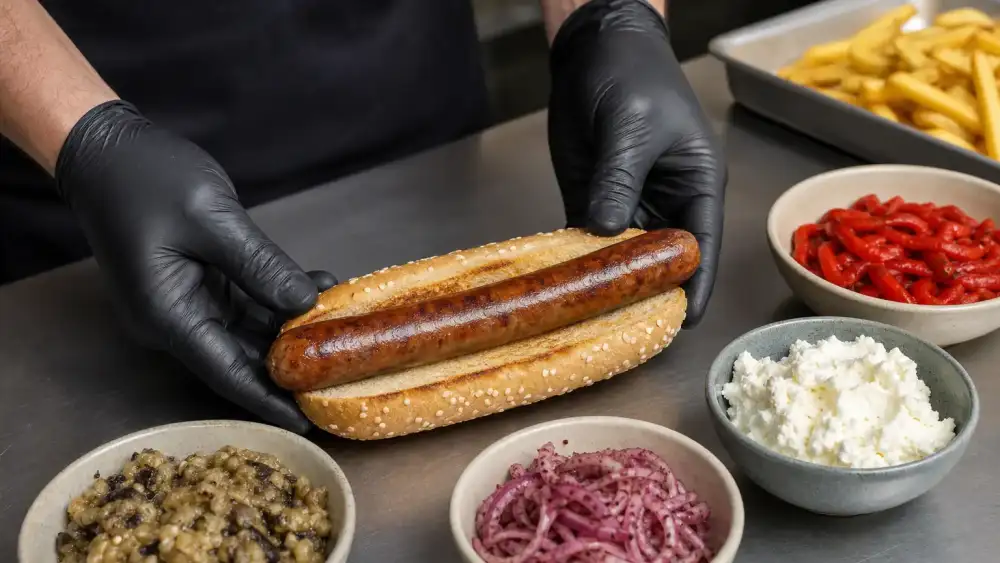
The sausage should remain the centre of the plate rather than disappearing beneath the toppings. A 150g gives the Istanbul Fire Dog enough size, flavour and presence to work as a complete pub main.
Its beef base brings more depth than a mild pork sausage, while the chilli and smoke create a natural link with roasted peppers, charred aubergine, sumac and yoghurt. That means the toppings can be used to balance and frame the sausage instead of trying to create all the character themselves.
The larger format is also important commercially. A smaller sausage can work for street food or a light lunch, but once the dish is served with premium garnishes and seasoned fries, customers are likely to expect a substantial main-course portion. The 150g frankfurter provides that sense of value immediately.
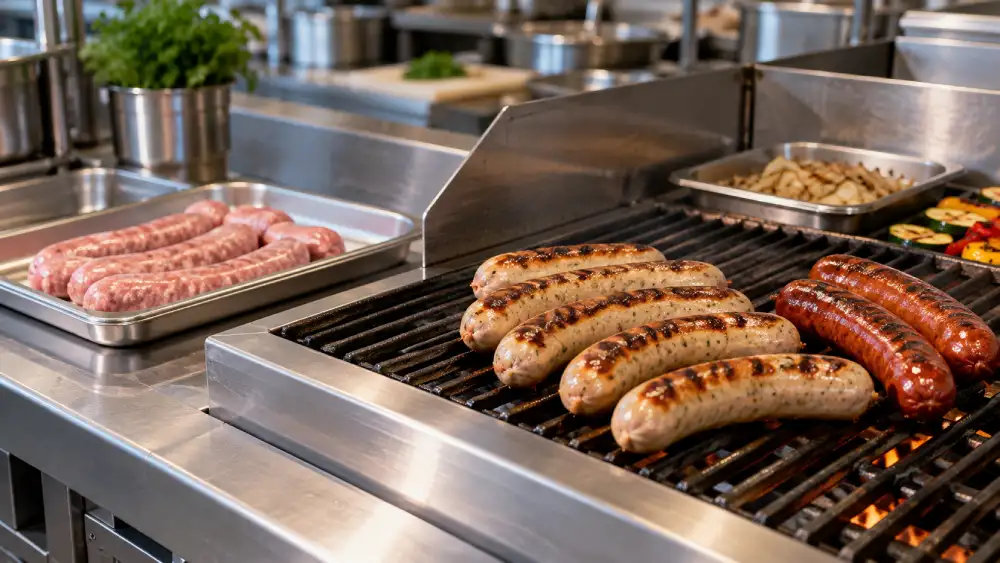
Cooking should be controlled carefully. The aim is a well-browned exterior and a hot, juicy centre, not a split sausage or heavily blackened casing. A grill or griddle works well because it adds visible colour and allows the sausage to be cooked to order without introducing extra equipment.
The roll should support the sausage without overwhelming it. A lightly enriched sesame roll or soft, elongated flatbread-style bun is preferable to an excessively sweet brioche. It should be toasted just enough to strengthen the surface and protect it from the sauces.
The finished build should still allow the customer to see the sausage clearly. That reinforces portion size, improves perceived value and prevents the dish from looking like an untidy pile of toppings.
Balancing Smoke and Chilli with Cooling, Fresh Toppings
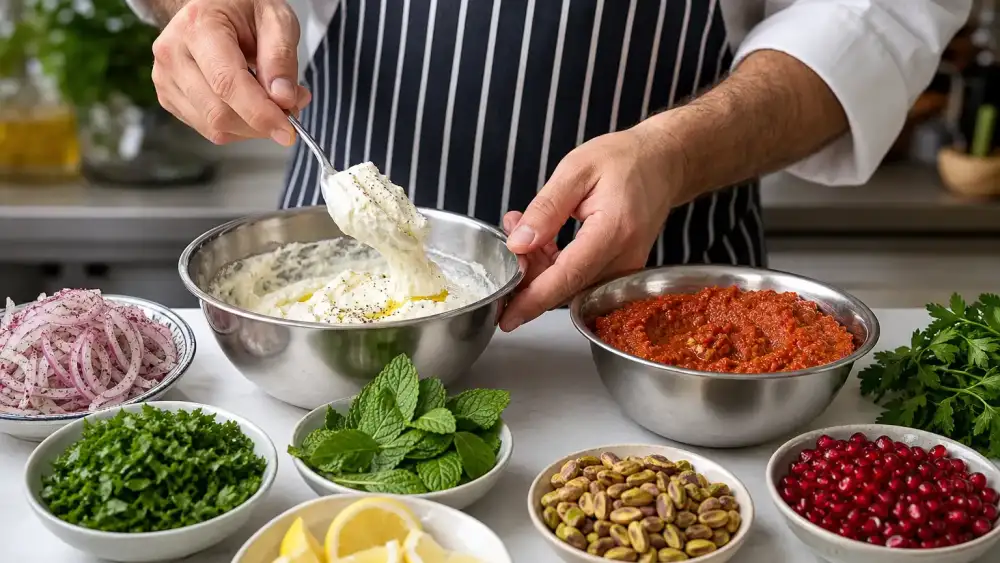
The Chilli Beef Frankfurter already provides smoke, seasoning and warmth, so the surrounding ingredients should create contrast rather than add more heat at every stage.
The most important counterpoint is the whipped feta yoghurt. Its creaminess softens the chilli, while lemon and yoghurt add acidity and freshness. Using yoghurt alongside feta also prevents the sauce from becoming excessively salty or dense.
This chef recipe from Great British Chefs shows how a adds cooling creaminess and acidity, which is useful when balancing heat in a loaded hot dog
Muhammara brings sweetness and depth through roasted red peppers, walnuts and pomegranate molasses. For this dish, it should be rich and gently tangy rather than aggressively spicy. There is little benefit in adding large amounts of chilli to the sauce when the sausage already carries that role.
Sumac onions introduce sharpness and a light pickled character. Their acidity cuts through the richness of the beef and sauces, while their pink colour adds visual contrast. They should be sliced thinly and drained thoroughly before service.
Charred aubergine provides a softer, savoury element that works particularly well with beef. It should be used sparingly, however. Too much can make the hot dog heavy and difficult to eat.
The final garnishes complete the balance:
- pomegranate seeds add fresh sweetness and acidity;
- pistachios provide crunch;
- mint and parsley lift the richer flavours;
- sumac adds a final citrus-like sharpness.
Each element has a clear purpose. The goal is not to fit as many ingredients as possible into the roll, but to move between smoke, heat, creaminess, acidity and crunch in a controlled way.
How to Make the Muhammara and Whipped Feta
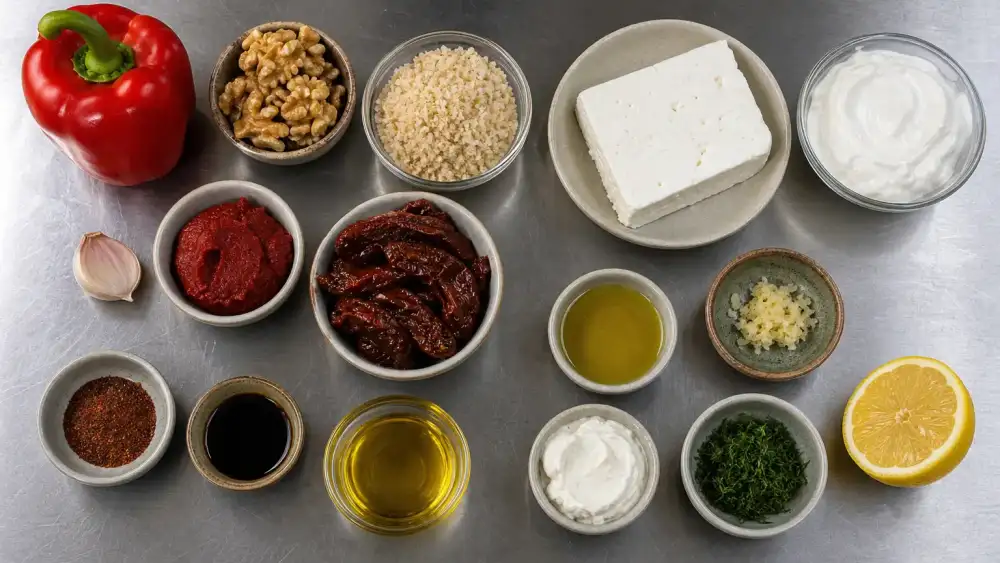
The two principal sauces give the Istanbul Fire Dog its identity, but both can be prepared in advance and portioned for service.
This hospitality trade article looks at prepared in advance components and last-minute assembly ideas that can help pub kitchens serve loaded hot dogs more smoothly.
For the muhammara, blend roasted red peppers with toasted walnuts, breadcrumbs, pomegranate molasses, lemon juice, garlic and olive oil. The texture should remain slightly coarse rather than completely smooth. That gives the sauce more character and prevents it from feeling like an ordinary pepper purée.
Taste is more important than strict measurements when adjusting the final balance. The sauce should be:
- sweet from the roasted peppers;
- gently sharp from lemon and pomegranate molasses;
- nutty from the walnuts;
- savoury enough to stand beside the beef;
- and only mildly hot.
If the peppers are particularly wet, drain them before blending. A loose muhammara will soak into the roll and make the finished dish difficult to handle. Breadcrumbs can help regulate the consistency, but they should not dominate the flavour.
For the whipped feta, blend feta with thick Greek yoghurt, lemon juice and a small amount of olive oil. The finished sauce should be smooth enough to pipe or spoon neatly, but firm enough to remain visible on the hot dog.
Avoid adding too much garlic to both sauces. A heavily garlicky muhammara combined with a strong garlic feta sauce can overpower the sausage and leave the dish tasting less refined.
Both sauces can be prepared ahead, refrigerated and transferred into labelled squeeze bottles or piping bags. Before service, stir or knead them briefly to restore an even consistency and check the seasoning again.
The Istanbul Fire Dog with Sumac-Lemon Fries
Ingredients
Method
- Place the sliced red onion in a bowl with the lemon juice, red wine vinegar, sumac, sugar and salt. Mix well and leave to soften for at least 20 minutes. Drain thoroughly before serving.
- Add the drained roasted peppers, walnuts, breadcrumbs, pomegranate molasses, lemon juice, garlic, olive oil, cumin, smoked paprika and salt to a food processor. Pulse until combined but still slightly textured. The sauce should be thick enough to stay in the roll. Add a few more breadcrumbs if it is too loose.
- Blend the feta, Greek yoghurt, lemon juice and olive oil until smooth and creamy. Season with black pepper. Refrigerate until required.
- Mix the Greek yoghurt with the grated garlic, lemon juice and salt. Cover and chill until serving.
- Slice the aubergine lengthways into thin strips. Brush lightly with olive oil and cook on a hot griddle or under a hot grill for 2–3 minutes on each side, until tender and visibly charred. Cut into manageable strips for the hot dogs.
- Cook the skin-on fries according to the manufacturer’s instructions until golden and crisp. Mix the sumac, lemon zest and parsley together, then toss through the hot fries with salt immediately before serving.
- Grill or griddle the Chilli Beef Frankfurters according to the product instructions, turning regularly until evenly browned and piping hot throughout. Avoid excessive heat that could split the casing.
- Split the rolls without cutting completely through. Toast the cut surfaces briefly on the griddle or under the grill until lightly golden.
- Spread or pipe a line of whipped feta into each roll, followed by a thin layer of muhammara. Add one Chilli Beef Frankfurter to each roll.
- Spoon small amounts of additional muhammara along the sausage. Arrange the drained sumac onions and charred aubergine on either side. Finish with pomegranate seeds, pistachios, parsley, mint and a light dusting of sumac.
- Serve each Istanbul Fire Dog immediately with sumac-lemon fries and a small pot of garlic yoghurt.
Assembling the Istanbul Fire Dog for Fast, Consistent Service
A premium-looking hot dog should not depend on one particularly skilled member of staff. The build needs to be simple enough for the whole kitchen team to reproduce during a busy service.
This hospitality trade article looks at how pub operators keep new menu ideas practical and consistent during busy service.
Preparation should be divided into clearly portioned components. The muhammara and whipped feta can be stored in squeeze bottles, while sumac onions, charred aubergine, pomegranate, pistachios and herbs can be held separately in the garnish section.
A practical assembly order is:
- Toast the roll lightly.
- Add a controlled line of whipped feta yoghurt.
- Spread a thin layer of muhammara.
- Position the cooked Chilli Beef Frankfurter.
- Add small pockets of muhammara along the sausage.
- Place sumac onions and aubergine on opposite sides.
- Finish with pomegranate, pistachio, herbs and a light dusting of sumac.
This sequence protects the roll, keeps the sausage visible and prevents the garnishes from sliding off.
Portion control is essential. Too much sauce will make the dish messy, increase food cost and slow down service. Pre-measured spoons, standard squeeze-bottle counts or photographed build guides can all improve consistency.
The final garnish should be added immediately before the plate leaves the pass. Fresh herbs, pistachios and pomegranate lose impact if they sit too long against warm sauces.
For takeaway service, reduce the amount of loose garnish and consider serving some elements separately. The full plated version is best suited to pub dining, where presentation and immediate service can be controlled more reliably.
Sumac-Lemon Fries: The Right Side for a Premium Hot Dog
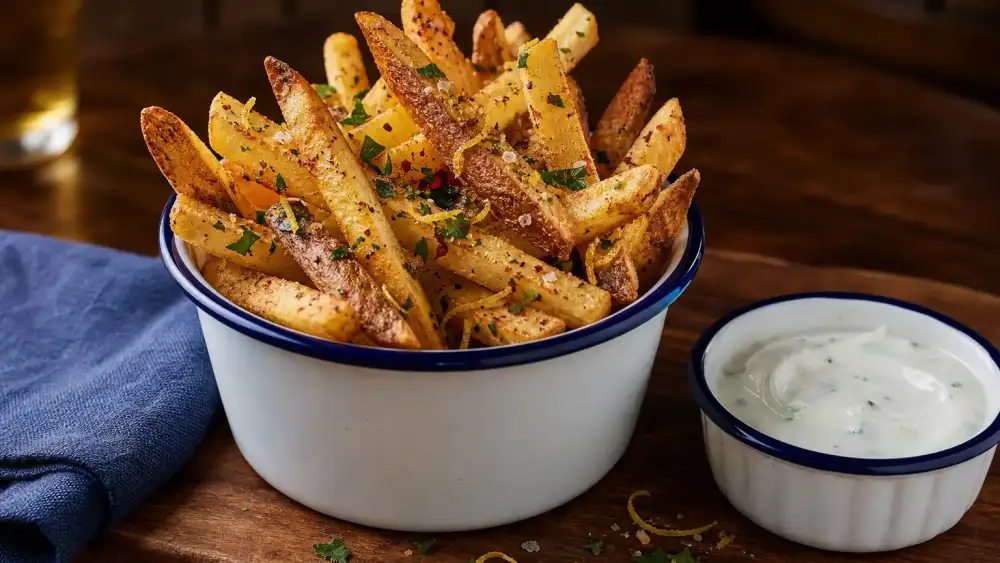
A distinctive hot dog still benefits from a familiar side. Sumac-lemon fries extend the flavour of the dish without competing with it, making them a stronger choice than heavily loaded fries or another rich accompaniment.
Skin-on fries work particularly well because they feel substantial and informal enough for pub service. Once cooked, they should be tossed with fine salt, sumac, finely grated lemon zest and chopped flat-leaf parsley.
The seasoning needs restraint. Sumac brings a tart, slightly fruity character, while lemon zest adds freshness without introducing liquid. Too much of either can make the fries taste sharp or perfumed. A small pinch of dried mint or oregano can be added, but it should remain in the background.
A ramekin of garlic yoghurt gives customers an additional cooling element, especially when the sausage has a noticeable chilli kick. It also creates a useful visual link with the whipped feta on the hot dog without repeating it exactly.
The fries should remain crisp and relatively clean. Covering them in feta, sauces, pomegranate and herbs may look generous at first, but it would make the whole plate feel overloaded. The Istanbul Fire Dog already provides the visual centrepiece.
From an operational perspective, the seasoning can be prepared as a dry mix before service, with fresh lemon zest and parsley added in controlled amounts. This keeps the finishing process quick and repeatable.
For customers seeking a lighter option, a cucumber, tomato, watermelon and feta salad could be offered as a substitution. However, sumac-lemon fries remain the stronger default because they preserve the comfort and value expected from a pub main.
Turning the Dish into a Profitable Pub Special
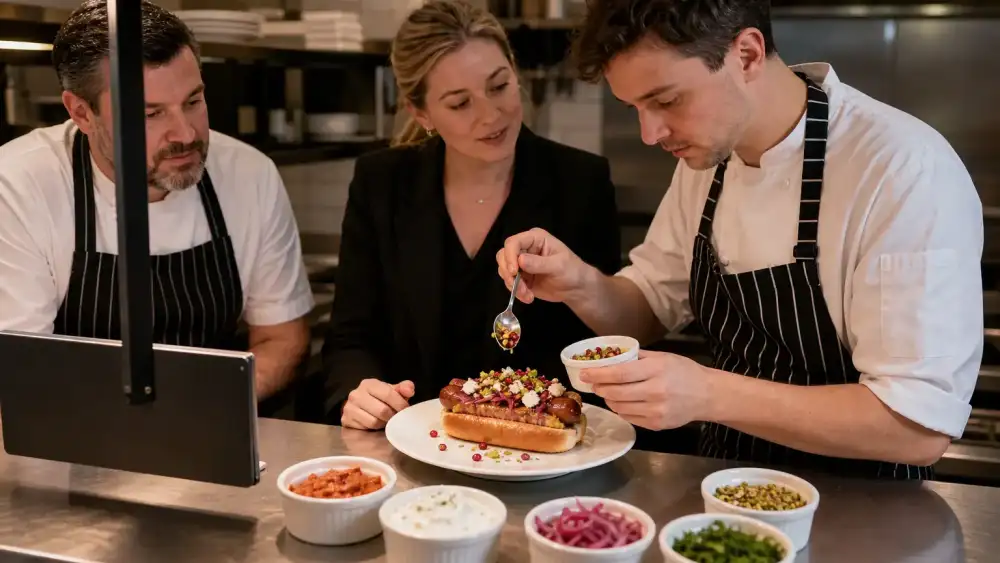
The Istanbul Fire Dog is best positioned as a premium seasonal special rather than an everyday hot dog with a long list of extras. Its value comes from a clear concept, a substantial sausage and a carefully controlled presentation.
This hospitality trade article explains how positioning dishes as a premium seasonal special can help pubs present loaded hot dogs more effectively on the menu.
Costing should begin with the complete plate rather than the sausage alone. The operator needs to account for the roll, sauces, nuts, cheese, pomegranate, herbs, fries, dip and preparation time. Pistachios, feta and pomegranate can quickly increase food cost when portions are not controlled.
Fortunately, most of the ingredients are used in small quantities. A measured sprinkle of pistachio or pomegranate can create strong visual impact without requiring a large serving. Sauce bottles, portion spoons and clear build specifications are therefore important commercial tools, not just kitchen organisation.
The dish also offers opportunities for cross-utilisation. Muhammara can be used with grilled chicken, halloumi, flatbreads or sharing boards. Whipped feta can accompany vegetables, salads or loaded fries. Sumac onions and garlic yoghurt can support kebab-style dishes, burgers or seasonal small plates.
Menu wording should focus on ingredients customers understand. For example:
The Istanbul Fire Dog150g Chilli Beef Frankfurter with roasted pepper and walnut muhammara, whipped feta yoghurt, sumac onions, charred aubergine, pomegranate and pistachio. Served with sumac-lemon fries.
Staff should also be able to explain the dish briefly and accurately, particularly the muhammara and the level of chilli heat.
A strong photograph, a clear specials-board description and a consistent plated build will do more for sales than adding further toppings. The aim is to make the dish look intentional, generous and worth choosing over a standard burger or hot dog.
Frequently Asked Questions
Not necessarily. Most of the heat should come from the Chilli Beef Frankfurter itself, while the whipped feta yoghurt, roasted pepper muhammara and fresh garnishes soften and balance it.
void adding extra chilli automatically to the sauces. The menu should describe the dish as warming or gently spicy rather than extremely hot, provided that accurately reflects the sausage being served. Staff should also be able to explain the heat level before customers order.
Yes. The 100g version would suit street food, event catering, lunch menus or customers looking for a lighter portion. It may also make sense where operators want to offer the hot dog without a large side.
For a plated pub main with fries, however, the 150g sausage creates a stronger sense of value and gives the dish enough presence to compete with burgers and other substantial mains.
It can, but the build should be simplified. Loose pomegranate seeds, aubergine strips and heavy amounts of sauce can make the hot dog difficult to transport and eat while standing.
For takeaway, use slightly less sauce, drain the onions thoroughly and keep the garnish concentrated along the centre of the sausage. The garlic yoghurt for the fries can be served in a lidded pot. Operators should test the packaging before launch to check that the roll remains intact and the toppings stay in place.
The finished dish is likely to contain several important allergens, including **milk** in the feta and yoghurt, **nuts** in the muhammara and pistachio garnish, and **gluten** in the roll and breadcrumbs. Sesame may also be present in the bun or garnish.Exact allergen information must be checked against the labels and specifications for every ingredient used, including the sausage, sauces, bread and seasoning blends. Cross-contamination risks should also be considered within the kitchen’s normal allergen management procedures. Removing the visible pistachio garnish does not make the standard recipe nut-free because the muhammara contains walnuts.
Finely diced pickled red pepper can provide colour and acidity, although it will not deliver the same fresh sweetness. Chopped sour cherries, where suitable and available, can also work in small amounts.
For a simpler and more economical finish, increase the sumac onions slightly and add a few thin cucumber ribbons. The dish will remain attractive, although it will lose some of the jewel-like appearance that makes the original version stand out.
No. The aubergine adds smoke, softness and a stronger connection with the beef, but it is not essential to the structure of the dish.
Charred courgette is a lighter summer alternative. Grilled red pepper can reinforce the muhammara, while finely shredded cucumber and herb salad creates a fresher result. Whichever substitute is used, keep the portion controlled so that the sausage remains easy to see and the roll remains manageable.
crisp lager is the most straightforward choice because it refreshes the palate without competing with the chilli, feta and roasted pepper. A citrus-led pale ale can also work, provided its bitterness is not too aggressive.
For cider drinkers, a dry or medium-dry apple cider offers enough acidity to cut through the beef and yoghurt. A non-alcoholic pairing could combine sparkling water, lemon, mint and a small amount of pomegranate cordial, echoing the garnishes without making the meal overly sweet.
Run it first as a limited special and assess more than sales alone. Record how long preparation and assembly take, which components create waste, whether staff can reproduce the appearance consistently and how customers respond to the spice level and menu description.It is also useful to compare the selling price and contribution with an existing burger or premium hot dog. A visually impressive dish is only worth retaining if the kitchen can deliver it reliably during busy service and the complete plate produces an acceptable commercial return.
Conclusion
The Istanbul Fire Dog offers pubs a way to serve a hot dog that feels genuinely different without moving too far away from familiar, dependable pub food. The 150g Chilli Beef Frankfurter provides the dish with a substantial centrepiece, while its smoky beef flavour and gentle chilli heat give the toppings a clear foundation.
The surrounding elements are deliberately balanced rather than simply piled on. Roasted pepper muhammara adds sweetness and depth, whipped feta yoghurt cools the chilli, sumac onions bring acidity, and pomegranate, pistachio and fresh herbs provide colour, texture and freshness. Sumac-lemon fries keep the plate recognisable and satisfying while extending the same flavour direction into the side dish.
From an operational perspective, much of the preparation can be completed before service. The sauces, onions and garnishes can be portioned in advance, leaving staff to cook the sausage, toast the roll, finish the fries and assemble the dish consistently. That makes it more realistic for a busy pub kitchen than a concept dependent on complex last-minute cooking.
For operators looking to add a distinctive summer special, the Istanbul Fire Dog combines strong visual appeal, premium positioning and practical service. The Sausage Haus 150g Chilli Beef Frankfurter gives the dish the scale and flavour needed to work as a complete pub main rather than a simple snack.
The Sausage Haüs
The Sausage Haus brings authentic German-style sausages to the UK market through a partnership between Hardy Remagen and Baird Foods.
Hardy Remagen is a long-established German producer with deep experience in traditional sausage making, continental meat products and modern food manufacturing. The range reflects the kind of products German shoppers already understand and enjoy: Bratwurst, Frankfurters, smoked hotdogs, cheese-filled sausages, Bockwurst, Weisswurst and other classic German-style lines.
In the UK, the range is represented and distributed by Baird Foods, giving retailers, wholesalers, caterers and foodservice operators access to German sausage products with a practical UK supply route. This combination is important: German manufacturing knowledge on one side, UK market understanding and distribution on the other.
For retail buyers, The Sausage Haus range offers a clear way to add something different to both chilled and frozen sausage fixtures. The products are built around real eating occasions: BBQs, premium hotdog nights, family meals, German street food, Oktoberfest promotions, Christmas market food and quick comfort meals at home.
The result is a range that gives shoppers something more distinctive than ordinary sausages and standard hotdogs, while giving buyers a compact, commercially useful product story with strong fresh and frozen potential.