Frikadellen are one of the easiest German comfort foods to translate for a UK audience. They are hearty, familiar, flexible, and far less niche than they first appear. For caterers, street food traders, pubs, and food-focused operators, Frikadellen offer a useful bridge between German identity and British eating habits, because the format feels close enough to burgers, rissoles, and meatballs to sell without a long explanation.
Introduction
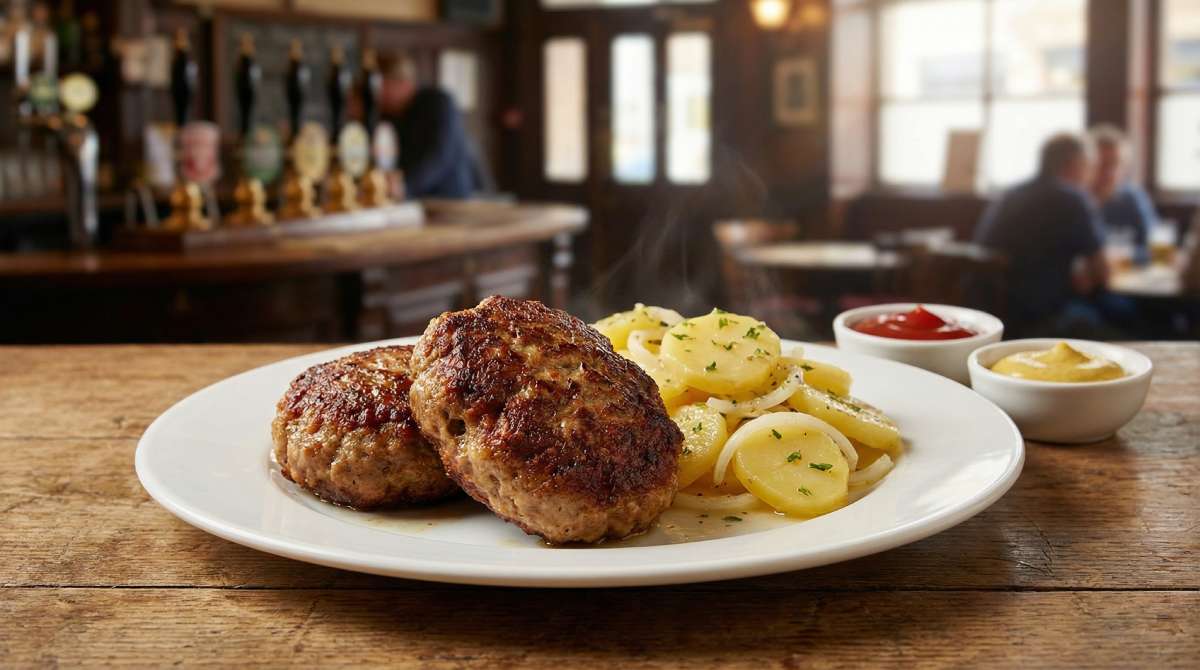
Frikadellen deserve more attention in the UK than they usually get. They are one of those rare German dishes that feel both distinctive and familiar at the same time. To British customers, they sit somewhere between a good rissole, a flattened meatball, and a proper pub-style minced meat dish, which makes them much easier to introduce than some more obviously niche imports.
That is a big part of their value. Frikadellen bring German comfort food onto British tables without demanding too much explanation. They are hearty, flexible, and easy to pair with things UK customers already enjoy, such as mash, potato salad, gravy, mustard, fried onions, or a crusty roll. They can be plated as a full meal, sold as a casual lunch, or worked into a more street-food-friendly format.
They are also a useful reminder that German food is often more regional than people think. As a fun detail, Frikadellen are not called Frikadellen everywhere. In Berlin, you will often hear Buletten. In Bavaria, the usual name is Fleischpflanzerl. In other parts of southern Germany, Fleischküchle or Fleischküchla are common. So even the name tells you something about how rooted this dish is in everyday German food culture.
For UK catering, pubs, and street food, that makes Frikadellen especially attractive. They offer a recognisable, comforting format with a genuine German identity behind it. That is commercially useful, because customers get something that feels approachable, but still has a clear point of difference. Frikadellen are not just an old classic. They are a very workable German meat dish for modern British menus.
Key Takeaways
- Frikadellen are one of the easiest German meat dishes to introduce to UK customers because the format already feels familiar.
- They work well for pubs, casual dining, street food, beer-led events, buffets, and winter comfort menus.
- Frikadellen can be served hot or cold, which gives operators more menu flexibility than many sausage-led dishes.
- The strongest UK pairings are mash, potato salad, mustard, fried onions, gravy, sauerkraut, and crusty rolls.
- Frikadellen give a German angle without forcing a full themed menu around them.
- For traders and caterers, they are useful because they can sit between plated comfort food and quicker hand-held service.
- Good Frikadellen presentation should stay simple, hearty, and confident rather than overbuilt.
What Are Frikadellen?
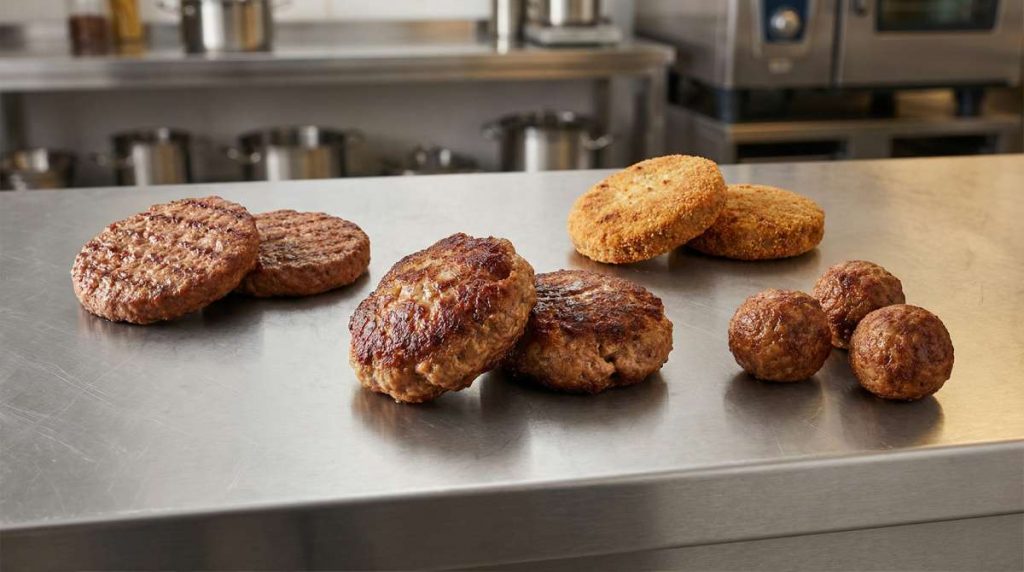
Frikadellen are one of the most approachable German meat dishes for a British audience because the format already feels familiar. They are pan-fried minced meat patties, usually made from pork and beef or sometimes just one meat, mixed with onion, soaked bread or roll, egg, and simple seasoning. In practical terms, they sit somewhere between a rissole, a flattened meatball, and a homely pub-style minced meat dish.
That familiarity is exactly why Frikadellen deserve more space on British tables. Some imported dishes need a long explanation before customers feel comfortable ordering them. Frikadellen do not. They look hearty, recognisable, and useful from the first glance, which makes them one of the easier pieces of German comfort food to introduce in the UK.
A good Frikadelle is not supposed to be flashy. It should be well seasoned, browned on the outside, juicy inside, and substantial enough to feel like proper comfort food. That gives the dish a broad range. It can work as a simple hot meal, a casual lunch item, a buffet component, or part of a cold spread.
For home cooks, that makes Frikadellen a very manageable starting point if they want to explore German comfort food recipes without learning a completely unfamiliar technique. For operators, it makes them commercially attractive because they bring a German identity without requiring a full themed menu around them.
A simple way to describe Frikadellen to UK customers is this:
- German meat patties with real everyday comfort-food appeal
- heartier and more homestyle than a burger
- flatter and more substantial than many meatballs
- easy to plate, pair, and explain
That balance is a large part of their strength. Frikadellen are clearly German, but they do not feel foreign in the way some more specialist dishes can.
Why Frikadellen Work So Well in the UK
Frikadellen travel well because British diners already understand the basic language of the dish. The UK has a long familiarity with rissoles, savoury minced meat patties, burgers, meatballs, sausage rolls, and other practical comfort foods built around seasoned meat and straightforward sides. Frikadellen fit naturally into that landscape.
They also match the kind of eating occasions that already perform well in Britain. A dish like this works in pubs, casual dining, lunch service, event catering, deli-style counters, beer-led food settings, and colder-weather menus. It feels substantial without being complicated, which is exactly the kind of middle ground many operators need.
Another reason Frikadellen work in the UK is that they pair easily with British-friendly accompaniments. Mash, gravy, fried onions, mustard, potato salad, crusty bread, pickles, braised cabbage, and chips all make immediate sense alongside them. That means the dish can feel authentically German without forcing customers into combinations they do not understand.
From a menu point of view, Frikadellen are useful because they can move between formats quite easily. The same core item can be served as a plated dish, a lunch special, a bun or roll filling, a buffet element, or a cold deli-style offer. That flexibility is commercially valuable, especially for operators who want one product to do more than one job.
They are especially strong in the UK because they offer a clear point of difference without becoming a novelty act. That matters. A lot of themed food struggles because it leans too hard on costume, gimmick, or Oktoberfest shorthand. Frikadellen do not need that. They stand up on their own as a satisfying meat dish.
In practical terms, they suit British trading conditions for a few simple reasons:
- they feel familiar from the first description
- they work with sides UK customers already enjoy
- they can sit on both casual and more traditional menus
- they offer German identity without overcomplicating service
- they fit colder-weather comfort food especially well
This is what makes Frikadellen more than just an interesting German import. They are one of the few German comfort food recipes that can slot into British food culture with very little friction.
Frikadellen, Buletten, and Fleischpflanzerl: The Regional Names
One of the nicest details about Frikadellen is that even the name tells you something about German food culture. This is not a dish with one fixed national label used the same way everywhere. Like many deeply rooted everyday foods, it changes name depending on the region.
In Berlin, the best-known everyday name is often Buletten. In Bavaria, you are far more likely to hear Fleischpflanzerl. In parts of southern Germany, Fleischküchle or Fleischküchla are common. The dish itself remains broadly recognisable, but the naming shifts with local identity and food tradition.
That is useful for a UK audience because it adds authenticity without making the dish harder to understand. It shows that Frikadellen are not a modern invention or a marketing concept. They are a real part of ordinary German eating, rooted in regional habits and home-style cooking.
For food-led businesses, this kind of detail can also help with storytelling. You do not need to overload the menu with cultural explanation, but a small note about the regional names can give the dish more depth and credibility. It suggests a food tradition with genuine variation behind it, rather than a generic “German meatball recipe” stripped of context.
At the same time, it is usually best to keep Frikadellen as the main term in a UK-facing headline or menu explanation. It is the clearest and most searchable version for this kind of article, and it avoids confusing readers with too many names too early. The regional terms work best as supporting detail.
A simple way to frame it is:
- Frikadellen: the most widely useful general term for UK readers
- Buletten: common in Berlin
- Fleischpflanzerl: the usual Bavarian name
- Fleischküchle / Fleischküchla: used in parts of southern Germany
This kind of regional variation is part of what makes German comfort food interesting. The dish may be humble, but it carries the marks of place, habit, and everyday use. That gives Frikadellen more character than a plain meat patty, and it is one reason they feel like real food culture rather than just another minced meat format.
What Makes a Traditional Frikadellen Recipe Different?
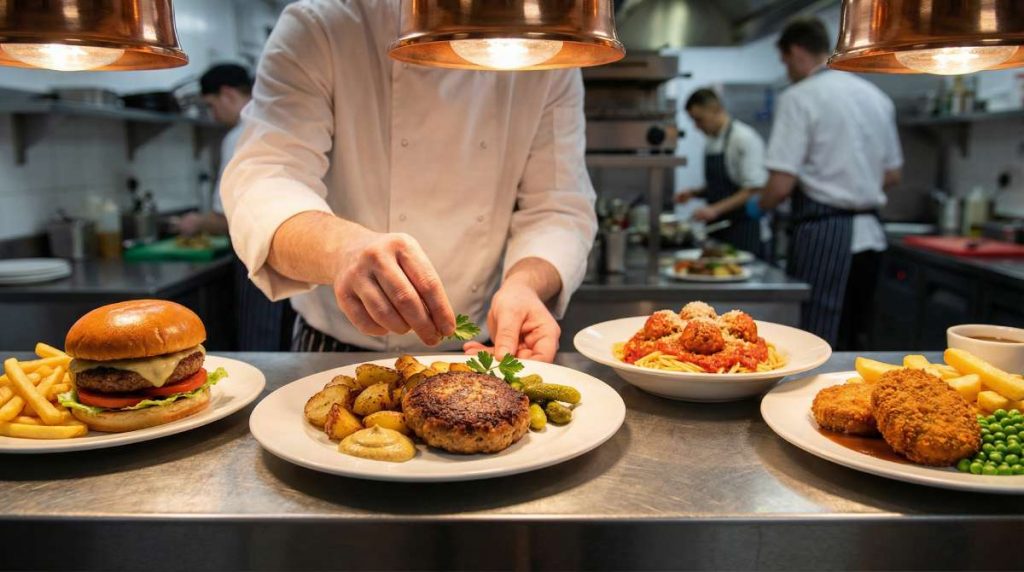
At first glance, Frikadellen can look like they belong in the same broad family as burgers, meatballs, rissoles, or other minced meat patties. That is partly true, but a traditional Frikadellen recipe has its own identity. The difference is not just in shape. It is in texture, seasoning, and the kind of meal the dish is meant to become.
A burger is usually built around meat first and binder second, with a stronger focus on a juicy patty that can stand up to bun-led service. Meatballs are often smaller, rounder, and tied more closely to sauce-based serving. British rissoles sometimes sit somewhere nearer to Frikadellen, but they can vary a lot in texture and composition. Frikadellen tend to be flatter, broader, and more obviously rooted in everyday home cooking.
One key difference is that a traditional Frikadellen recipe usually uses soaked bread or a softened roll in the mixture. That is not there to bulk the meat out cheaply when done properly. It helps create the softer, more relaxed texture that good Frikadellen should have. They should feel hearty, but not tight or rubbery.
Seasoning also matters. Frikadellen are usually more assertively seasoned than a plain burger patty, but not in a flashy or heavily spiced way. Onion, pepper, salt, mustard, and sometimes parsley or marjoram are common. The result should taste rounded, savoury, and distinctly old-school rather than aggressively modern or burger-bar styled.
Another difference is the serving logic. Frikadellen are not designed around build-your-own toppings or towering presentation. They belong in the world of potato salad, mustard, gravy, crusty bread, pickles, braised cabbage, and simple hot or cold plates. That gives them a very different comfort-food personality.
A useful way to explain the distinction is this:
- burgers are more bun-centred and usually less bound
- meatballs are smaller and more often sauce-led
- rissoles are the closest British comparison, but not always as clearly German in flavour profile
- Frikadellen are flatter, softer, more seasoned, and more obviously home-style
That is why the dish holds its own so well. Frikadellen do not feel like a German copy of something else. They feel like their own category of German meat patties, with a texture and identity that is meant for proper comfort food rather than fast-food theatre.
The Core Ingredients Behind Good Frikadellen
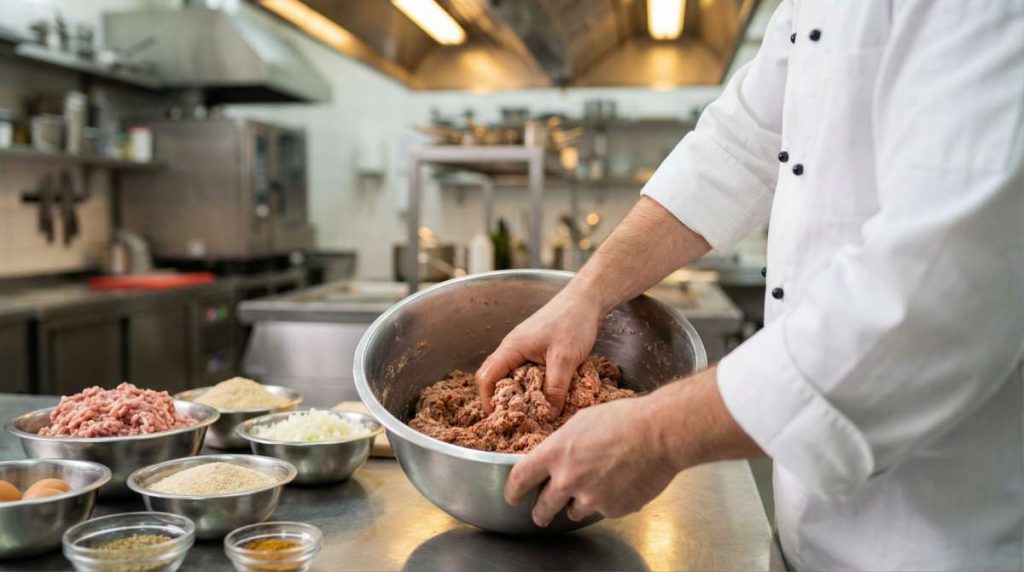
The ingredient list for Frikadellen is not complicated, but it does need balance. This is one of those dishes where small choices have a big effect on texture and flavour. A good result comes from getting the fundamentals right rather than adding too many clever extras.
The meat base is usually pork and beef together, although single-meat versions do exist. Pork brings richness and softness, while beef adds depth and a slightly firmer savoury note. For most readers and most UK kitchens, a mixed minced meat base is the safest and most reliable route.
Onion is another essential part of the profile. It gives sweetness, moisture, and that unmistakable cooked, savoury depth that helps Frikadellen taste more like a proper finished dish and less like a plain patty. Some cooks use it raw and very finely chopped, while others soften it first for a milder result.
Bread is a defining ingredient in a traditional Frikadellen recipe. Usually this means a stale roll, white bread, or similar bread softened in water or milk and then squeezed out before mixing. This helps the patties stay tender and gives them the classic, slightly looser bite that distinguishes them from dense burgers.
Egg helps bind the mixture, but it should support the structure rather than dominate it. Too much egg can push the texture in the wrong direction. The same is true of breadcrumbs. They can help with consistency, but the aim is never to turn Frikadellen into a dry filler-heavy mixture.
The classic seasoning profile is simple and functional:
- salt and black pepper
- onion
- mustard
- soaked bread or roll
- egg
- sometimes parsley or marjoram
That simplicity is part of the appeal. Frikadellen are not supposed to taste complicated. They are supposed to taste complete.
For UK cooks and operators, the real lesson is that every ingredient should earn its place. The meat gives body, the onion gives savoury sweetness, the soaked bread improves tenderness, the egg helps hold things together, and the mustard rounds out the flavour. When those parts are in proportion, the dish feels solid, juicy, and distinctly comforting.
How to Make Frikadellen Successfully
If you want to know how to make Frikadellen well, the main goal is simple: keep them tender, well seasoned, and properly browned. They should hold together confidently in the pan, but still eat like a relaxed, home-style meat dish rather than a tightly packed burger.
The first important step is to prepare the binder properly. If you are using bread or a roll, it should be softened and then squeezed so it is moist but not dripping. Too much liquid will loosen the mixture too far. Too little, and you lose the soft texture that makes Frikadellen feel right.
Mixing also matters more than many people realise. You want everything evenly distributed, but you do not want to knead the mixture to death. Overworking minced meat makes patties firmer and less pleasant. A traditional Frikadellen recipe should feel cohesive, but not compressed.
Shaping is where a lot of people drift into burger territory. Frikadellen are usually flatter and broader than thick pub burgers. That shape helps them cook more evenly and gives them a better ratio of browned exterior to juicy interior. It also makes them look more recognisable as Frikadellen rather than generic patties.
Cooking should be steady rather than aggressive. A moderate pan heat is usually better than fierce heat, because it gives the outside time to brown while the centre cooks through without drying out. They should develop a proper savoury crust, but not become hard or dark before the inside is ready.
A practical success method looks like this:
- soften and squeeze the bread properly
- mix gently, just until combined
- season confidently, because under-seasoned Frikadellen taste flat
- shape into broad, slightly flattened patties
- fry over moderate heat until browned outside and cooked through inside
- rest briefly before serving so the juices settle
For home cooks, this is a forgiving dish once the texture is understood. For operators, it is a useful one because the visual standard is achievable and does not require fine-dining precision. The emphasis should stay on honest cooking, good browning, and sensible serving.
The biggest mistake when learning how to make Frikadellen is trying to force them into another category. If you make them too thick, too lean, too tightly packed, or too lightly seasoned, they stop feeling like Frikadellen and start eating like a second-rate burger. The better approach is to lean into what the dish is meant to be: hearty, simple, moist, well browned, and unmistakably part of the German comfort food tradition.
The 11 Delicious Ways Frikadellen Bring German Comfort Food to British Tables
One of the biggest strengths of Frikadellen is that they do not rely on one narrow serving style. They can move comfortably between plated comfort food, pub-friendly specials, casual lunch formats, buffet service, and home cooking. That range is exactly why they deserve more attention in the UK. They are not just traditional German meat patties. They are one of the more adaptable pieces of German comfort food you can put in front of British customers.
The best approach is usually to keep the format simple and satisfying. Frikadellen already bring enough character of their own. They do not need towering presentation or too many competing flavours. They work best when the rest of the plate supports the dish rather than trying to outshout it.
1. Frikadellen with Mash and Onion Gravy
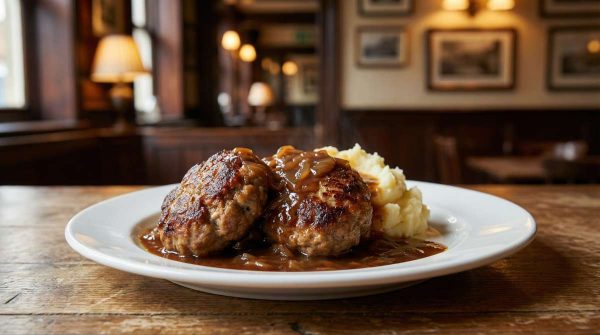
This is one of the easiest ways to bring Frikadellen into a British comfort-food context. A soft mash, a proper onion gravy, and a well-browned Frikadelle create a plate that feels immediately legible to UK diners. It still carries a German identity, but it lands through a format that British customers already trust.
For pubs and winter menus, this is probably one of the safest entry points. It gives the dish warmth, substance, and a familiar visual language without reducing it to a copy of a standard bangers-and-mash plate.
2. Frikadellen with Warm Potato Salad and Mustard
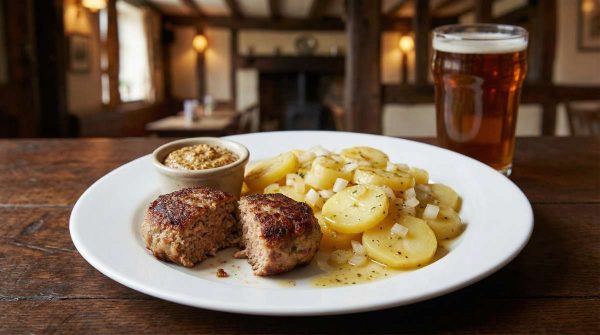
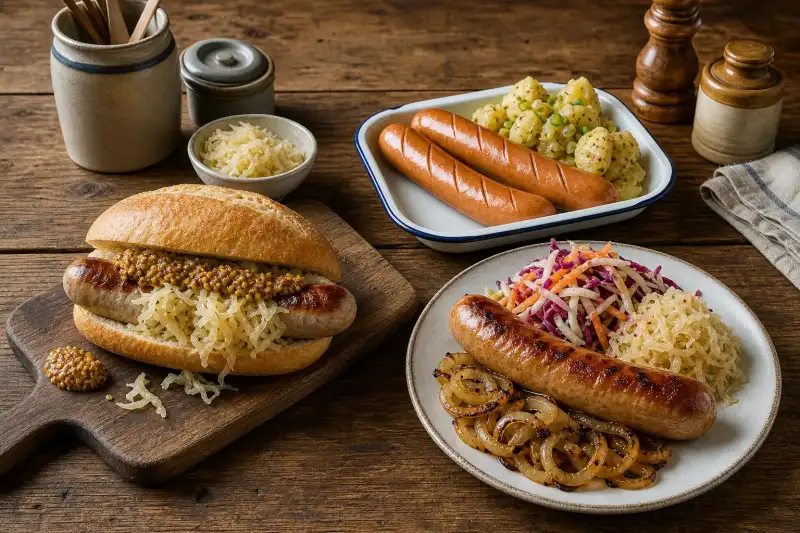
This version leans more clearly into German food culture while still feeling accessible. Warm potato salad gives the dish a softer and more distinctive German character than mash, while mustard sharpens the whole plate without making it fussy.
This is a strong choice for delis, beer-led menus, and food businesses that want a more recognisably German angle. It also helps show that Frikadellen belong naturally in the world of potato-based comfort food rather than only in burger logic.
See the full recipe below in the recipe section.
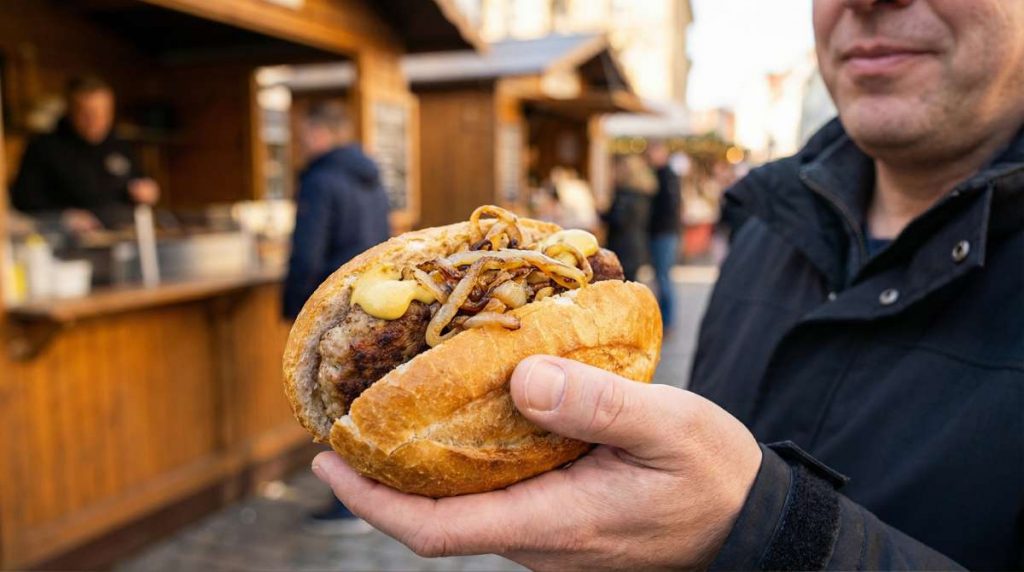
3. Frikadellen in a Crusty Roll with Fried Onions
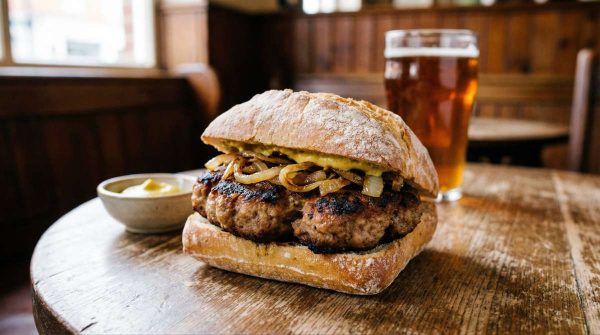
A roll-based version is one of the most practical ways to push Frikadellen into casual lunch or street-food territory. A crusty roll, a warm Frikadelle, fried onions, and a little mustard are often enough. The result is hearty, easy to explain, and much more distinctive than a routine burger offer.
For traders, this format is especially useful because it keeps service simpler while still offering a strong German cue. It feels more grounded and original than simply rebranding a burger with a German name.
4. Cold Frikadellen with Pickles and Rye or Sourdough
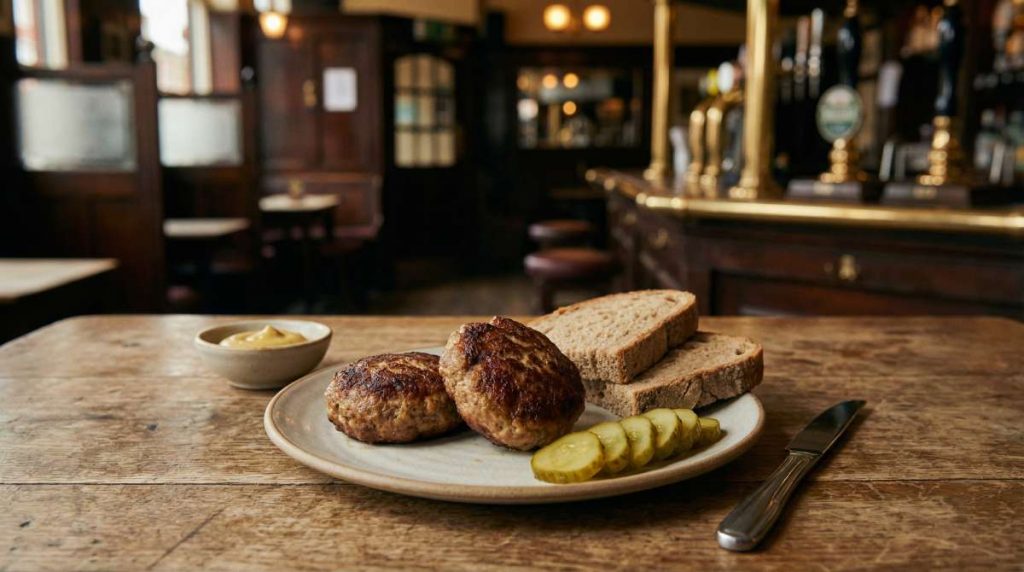
One of the quietly useful things about Frikadellen is that they can work cold as well as hot. That opens up a different side of German comfort food, one that suits lunches, buffets, deli counters, and casual sharing boards.
Served cold with sliced pickles and good bread, Frikadellen feel sturdy, practical, and very everyday in the best sense. For British readers, this can be a pleasant surprise, because it shows the dish is not restricted to hot evening meals.
5. Frikadellen with Braised Cabbage and Potatoes
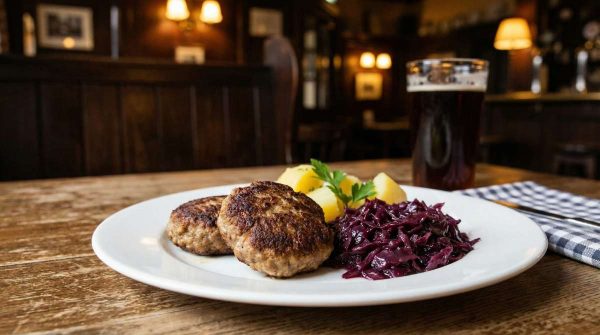
If the goal is deep comfort and a slightly more old-world German character, this is a strong format. Braised cabbage and potatoes give Frikadellen a natural home and create a plate that feels substantial without being overcomplicated.
This works especially well on colder-weather menus and in food settings where customers are looking for something more grounded than trend-led small plates. It also strengthens the dish’s place within broader German comfort food recipes rather than treating it as an isolated novelty.
6. Frikadellen with Sauerkraut and Mustard Potatoes
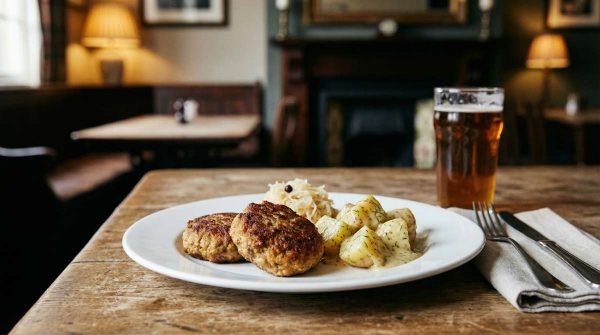
This version makes the German identity clearer without pushing too hard into cliché. Sauerkraut brings acidity and structure, while mustard potatoes make the plate feel fuller and more rounded.
For UK customers, balance matters here. The sauerkraut should support the Frikadellen, not dominate them. When done with restraint, this combination gives the dish a sharper, more authentic edge while staying commercially sensible.
7. Frikadellen as a Pub Special with Seasonal Vegetables
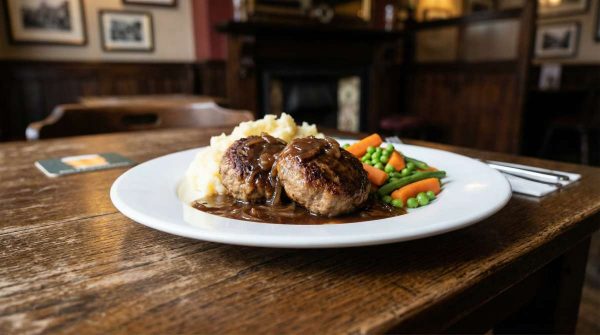
A lot of British pubs do well when they offer dishes that feel slightly different but not difficult. Frikadellen fit that requirement very well. Served with seasonal vegetables, potatoes or mash, and a practical sauce or gravy, they can sit comfortably on a specials board without needing much explanation.
This is one of the best ways to make the dish relevant to British service. It becomes a proper pub plate with a German point of difference rather than a themed-menu gimmick.
8. Frikadellen with Fried Egg and Pan Potatoes
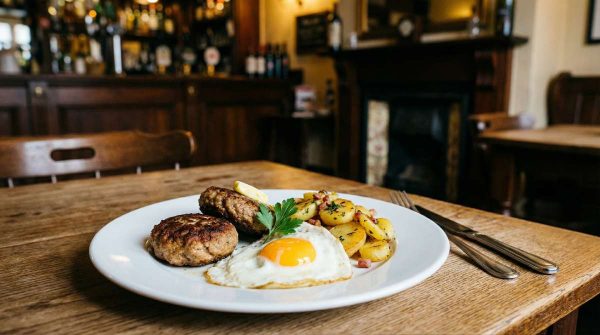
This is a more rustic, central-European style of serving that can translate very well into a brunch, lunch, or comfort-led casual menu. A fried egg on top adds richness, while pan potatoes keep the whole dish grounded and generous.
For home cooks, this is one of the easiest ways to make Frikadellen feel like a complete meal without much extra effort. For operators, it gives a slightly different angle that feels hearty and memorable without becoming hard to execute.
9. Frikadellen with Beer Mustard and Crisp Slaw
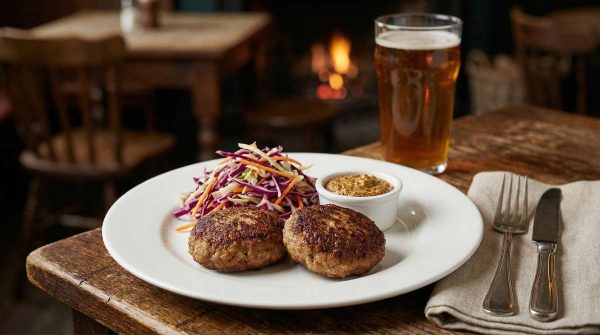
This is a useful format when a menu needs a bit more freshness. Slaw brings crunch and lift, while a beer mustard or grain mustard element gives the plate a gentle pub-friendly sharpness. The Frikadellen still remain the centre of gravity, but the overall result feels lighter than mash-based versions.
This kind of plate works well for transitional seasons, casual dining, and menus that want German identity without going fully into heavier winter food. It is also a good reminder that a traditional Frikadellen recipe can support more than one mood.
10. Frikadellen on a Buffet or Grazing Table
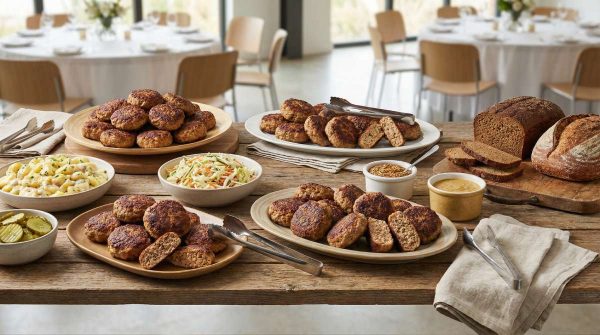
Because they can be served warm or at room temperature, Frikadellen are very useful for buffets, events, and casual catering. They portion well, hold their shape, and look substantial without requiring delicate assembly.
That makes them valuable for operators who need food that performs beyond the à la carte plate. On a buffet, Frikadellen bring more substance and more personality than many standard finger-food options. They also pair easily with potato salad, slaws, pickles, breads, and mustard-based dressings.
11. Frikadellen as the Home-Cook Weeknight Option
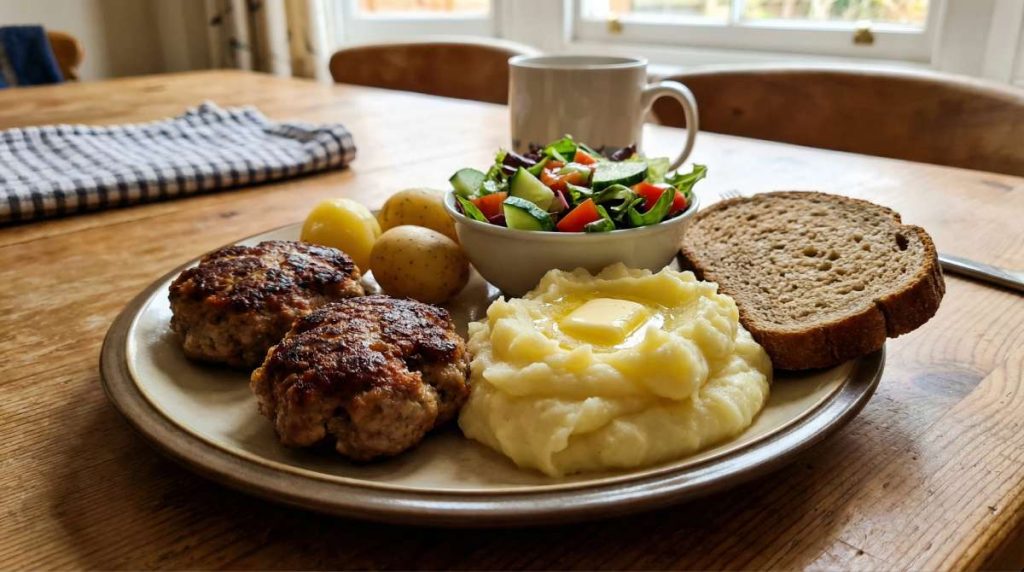
For home kitchens, one of the best things about Frikadellen is how naturally they fit into ordinary weeknight cooking. They do not require specialist equipment, difficult technique, or hard-to-find ingredients. Once you know how to make Frikadellen, they can slot into the same kind of cooking rhythm as meatballs, rissoles, or simple minced meat dishes.
That matters because it makes them one of the easiest routes into German home cooking for British households. Served with mash, salad, bread, potatoes, or whatever is practical, they feel adaptable rather than fixed. That everyday usability is a large part of their appeal.
Taken together, these eleven formats show why Frikadellen have real crossover potential in the UK. They can lean more German or more British, more plated or more casual, more pub-like or more home-style, without losing their identity. That is rare. Many dishes travel badly because they only work in one context. Frikadellen are stronger than that. They hold on to their German character while fitting naturally into British eating habits, which is exactly what makes them such a useful and satisfying example of modern comfort food crossover.
Best British-Friendly Sides, Sauces, and Pairings for Frikadellen
One of the reasons Frikadellen work so well in the UK is that they do not need difficult pairings to make sense. In fact, they are strongest when served with things British diners already understand and enjoy. That is part of what makes these German meat patties so commercially useful. They bring a German identity, but they do not force customers into an unfamiliar eating experience.
The safest pairings are usually the ones that emphasise warmth, savoury depth, and straightforward comfort. Mash is an obvious example. It gives Frikadellen a soft, familiar base and helps the dish land more like a proper pub meal than a specialist import. Fried onions, onion gravy, and mustard all work in the same direction. They add character without distracting from the meat.
Potato-based pairings are especially effective because they sit naturally inside both British and German food culture. Mash, roast potatoes, pan potatoes, and potato salad all suit Frikadellen well, but they create slightly different moods. Mash feels more pub-led and British. Potato salad pushes the dish into a more recognisably German comfort-food space. Pan potatoes feel a little more rustic and lunch-friendly.
Cabbage also deserves more attention here than it often gets. Braised red cabbage, mild sauerkraut, buttery cabbage, or a restrained slaw can all help balance the richness of the meat. The important word is restrained. Frikadellen are not a delicate dish, but they still benefit from sides that keep the plate from becoming too heavy or flat.
Sauces should stay practical and supportive rather than overbuilt. A simple onion gravy, a smooth or grain mustard, or a light pan sauce are usually more useful than anything overly creamy or elaborate. Frikadellen are part of the world of everyday comfort food, not sauce theatre.
The most reliable pairings for UK readers and UK operators are:
- mash and onion gravy
- warm potato salad and mustard
- fried onions and a crusty roll
- braised cabbage and potatoes
- sauerkraut with mustard potatoes
- pickles and rye or sourdough
- pan potatoes with a fried egg
- a light slaw with mustard dressing
What matters most is that the plate should still feel centred on the Frikadellen. The side dishes should frame the dish, not compete with it. A traditional Frikadellen recipe already brings enough savoury comfort on its own. The job of the pairing is to make that quality clearer, more complete, and more attractive to British tastes.
For home cooks, that means using what already works in the kitchen rather than chasing a perfectly themed German plate. For operators, it means building pairings that are easy to explain, easy to serve, and strong enough to sell. In both cases, the best combinations are usually the ones that feel hearty, balanced, and confident rather than overdesigned.
Frikadellen for Home Cooks, Pubs, Caterers, and Street Food
Part of the strength of Frikadellen is that they are not locked into one kind of kitchen or one kind of customer. They work at home, on pub menus, in event catering, and in faster casual service. That flexibility is one of the strongest arguments for giving them more attention in the UK.
For home cooks, Frikadellen are appealing because they are practical. The ingredients are easy to understand, the method is manageable, and the finished dish can move between lunch, dinner, leftovers, and cold snacking without much trouble. That makes them one of the more realistic entry points into German comfort food recipes for British households. They feel different enough to be interesting, but not so different that they become a project.
In pubs, Frikadellen can perform well because they sit in a useful middle space. They are more distinctive than a standard burger or meatball dish, but still familiar enough to order without hesitation. On a specials board, that is exactly the kind of balance that often works best. A dish needs a point of difference, but it also needs to feel safe enough for a broad audience.
For caterers, the value is in flexibility and service logic. Frikadellen can be plated, rolled, sliced, served hot, or offered cold as part of a buffet or deli-style spread. They portion cleanly and pair well with potatoes, slaws, pickles, and breads. That makes them easier to integrate into mixed event catering than some dishes that only work in one temperature range or one serving format.
Street food is slightly different, but Frikadellen still have a place there when the format is right. The best route is usually not to overcomplicate them. A crusty roll, mustard, fried onions, and perhaps pickles are often enough. That keeps service practical and gives the dish a recognisable shape that can compete with more familiar hand-held offers.
Each setting brings out a different strength:
- home cooks - easy ingredients, forgiving method, strong leftover value
- pubs - distinctive but still familiar, especially as a comfort-food special
- caterers - useful hot or cold, adaptable for buffets and mixed menus
- street food traders - best in simple roll-based formats with fast, clear service
This is why Frikadellen are more than a niche German dish. They are one of those rare items that can shift between domestic cooking and commercial service without losing their identity. The format stays coherent whether it appears on a plate with mash, in a buffet spread, or in a lunch roll with mustard and onions.
That kind of range matters. A lot of dishes sound interesting in theory but only work in one narrow context. Frikadellen are stronger than that. They offer a practical bridge between authenticity and usability, which is exactly what many British cooks and operators need.
Common Mistakes That Ruin Frikadellen
A good batch of Frikadellen should be juicy, well seasoned, browned on the outside, and relaxed in texture. When they go wrong, the problem is usually not complexity. It is normally one of a few basic errors in mixture, shaping, seasoning, or cooking. That is useful news, because it means most problems can be avoided quite easily once you know what to watch.
One of the most common mistakes is making the mixture too dense. This usually happens when the meat is overmixed or when the balance of ingredients pushes too far towards compactness. A traditional Frikadellen recipe should hold together well, but it should not feel tight or rubbery. The aim is comfort, not compression.
Another frequent problem is under-seasoning. Because Frikadellen look simple, people sometimes forget how much flavour work the seasoning needs to do. Salt, pepper, onion, and mustard are not background details here. They are a large part of what gives the dish its identity. If the seasoning is timid, the whole result can taste flat and oddly disappointing.
Using the wrong texture of binder can also damage the result. Bread that is too dry, too wet, or badly incorporated can make the patties crumbly, soggy, or heavy. The softened bread or roll should support tenderness, not dominate the mixture. That one detail makes a large difference to the final bite.
Shaping mistakes are equally common. Frikadellen that are too thick often cook unevenly and drift towards burger territory. If they are too thin, they can dry out before they develop the right interior texture. Broad, slightly flattened patties are usually the safest and most recognisable shape.
Cooking errors finish the damage. Heat that is too fierce can darken the outside before the centre is properly cooked. Heat that is too low can leave them pale and uninspiring. Frikadellen need enough time to brown properly while staying moist inside. That is why a steady, moderate pan heat usually works better than aggressive frying.
The most common problems are:
- overmixing the meat until the texture becomes tight
- under-seasoning the mixture
- using too much breadcrumb or too much dry filler
- adding too much liquid to the softened bread
- shaping them too thick like burgers
- cooking too hard and drying them out
- expecting them to behave like burgers instead of German meat patties
The last point is often the real issue. People go wrong with how to make Frikadellen when they stop treating them as Frikadellen and start treating them as another dish. They are not meant to be stacked like gourmet burgers or buried under too many toppings and sauces. Their strength lies in simple, confident comfort.
For home cooks, the lesson is to keep the method calm and the seasoning honest. For operators, it is to respect the dish’s natural format instead of forcing it into something more theatrical. When Frikadellen stay moist, properly browned, and sensibly served, they do exactly what they are supposed to do: deliver solid, traditional comfort without fuss.
Frikadellen with Swabian Potato Salad
Ingredients
Method
- Wash the potatoes and boil them whole in salted water until just tender. This usually takes about 20 to 25 minutes depending on size. Drain them and let them cool just enough so you can handle them.
- While the potatoes are cooking, put the finely chopped onion into a large bowl. Pour over the hot stock, then add the vinegar, oil, mustard, sugar, salt, and pepper. Stir well. The onion should soften slightly in the warm liquid.
- Peel the warm potatoes and slice them directly into the bowl. Toss them gently with the dressing while still warm. This is important, because warm potatoes absorb the dressing much better. Leave the salad to rest for at least 20 minutes, then taste and adjust salt, vinegar, or stock if needed. Swabian potato salad should be moist and lightly glossy, not dry.
- Tear the bread or roll into small pieces and soak it in the milk or water for a few minutes until soft. Squeeze out the excess liquid.
- In a large bowl, combine the minced pork, minced beef, chopped onion, soaked bread, egg, mustard, salt, pepper, paprika if using, and parsley if using. Mix everything gently but thoroughly with your hands until evenly combined. Do not overwork it. If the mixture feels too wet to shape, add a little breadcrumb.
- Shape the Frikadellen
- Divide the mixture into 8 equal portions and shape them into broad, slightly flattened patties. They should feel substantial and homestyle rather than thick like burgers.
- Heat the oil or butter in a large frying pan over medium heat. Fry the Frikadellen in batches for about 5 to 6 minutes per side, depending on thickness, until deeply browned and cooked through. Lower the heat if they brown too quickly.
- Let the Frikadellen rest for a couple of minutes after cooking. Serve them warm with the Swabian potato salad, ideally with a little extra chopped chive or parsley over the potatoes if you like.
- This dish works best when the potato salad is still slightly warm or at room temperature. A little mustard on the side also fits naturally.
Frequently Asked Questions
Yes. Frikadellen are very flexible. They can work as a pub special with mash and gravy, as a buffet or grazing-table item, as a deli-style cold dish, or as a simple roll-based street-food offer with mustard and fried onions.
No. Frikadellen and burgers may look related, but they are not the same. Frikadellen usually include soaked bread, onion, and more developed seasoning in the mixture, which gives them a softer, more homestyle texture. Burgers are normally more meat-led and more closely tied to bun-based serving.
Yes. One of the useful things about Frikadellen is that they can be served hot, warm, or cold. Cold Frikadellen work especially well with pickles, mustard, rye bread, or sourdough, which makes them useful for lunches, buffets, and deli-style serving.
To keep Frikadellen juicy, use the right balance of meat, soaked bread, onion, and seasoning, and avoid overmixing the mixture. Shape them evenly and cook them over moderate heat so they brown properly without drying out.
Frikadellen are traditional German meat patties made from minced meat, usually pork and beef, mixed with onion, soaked bread or roll, egg, and simple seasoning. They are pan-fried and usually served as part of a hearty meal rather than as a burger.
Some of the best sides for Frikadellen are mash, warm potato salad, mustard potatoes, braised cabbage, sauerkraut, fried onions, pan potatoes, pickles, and crusty bread or rolls. The best choice depends on whether you want a more British comfort-food plate or a more recognisably German format.
The main difference is size, shape, and serving style. Frikadellen are larger, flatter, and usually served as a full dish, in a roll, or cold with bread and pickles. Meatballs are smaller, rounder, and more often served in sauce with pasta or other accompaniments.
A traditional Frikadellen recipe often uses a mix of pork and beef, although single-meat versions also exist. The mixed approach is popular because it gives a good balance of richness, flavour, and tenderness.
Frikadellen work well in the UK because they feel familiar from the first glance. British diners already understand hearty minced meat dishes, potato-based sides, gravy, mustard, and pub-style comfort food. That makes Frikadellen easy to introduce while still giving a clear German point of difference.
The soaked bread or softened roll helps give Frikadellen their softer, more relaxed texture. It is not just filler when used properly. It helps the patties stay tender and makes them feel more like classic German comfort food than a tightly packed burger.
Conclusion
Frikadellen are a very strong example of a German dish that can travel well into the UK without losing its character. They do not need heavy explanation, and they do not depend on gimmicks. That is part of their strength. They feel familiar enough to reassure British customers, but distinct enough to stand apart from standard burgers, meatballs, or pub patties.
For operators, that makes Frikadellen commercially interesting. They can sit comfortably on a seasonal menu, a German special board, a street food offer, or a broader comfort-food line-up. They also suit different service styles, from plated meals to rolls and casual deli-style serving. In practical terms, that flexibility matters. A dish that can work across lunch, dinner, events, and colder-weather trading is usually more valuable than a one-note novelty.
For home cooks, Frikadellen offer the same appeal in a simpler form. They are hearty, versatile, and easy to pair with ingredients that British households already know how to use. That makes them one of the most approachable routes into German comfort food.
If you want to widen a menu or recipe collection beyond the obvious sausage staples, Frikadellen are a very sensible place to start. They are not flashy, but they are dependable, satisfying, and full of real crossover potential between German food culture and British tastes.
About The Sausage Haus
The Sausage Haus helps UK operators bring proper German food culture into real service environments. The focus is not just on selling sausages, but on building dishes and menu formats that work in practice for pubs, caterers, street food traders, events, and food-led businesses that need strong products and a more reliable service system.
That means looking beyond surface-level German themes and concentrating on food that genuinely performs for British customers. Frikadellen, bratwurst, frankfurters, currywurst, schnitzel, and other German classics all have more value when they are translated into formats that suit UK kitchens, UK trading conditions, and UK customer expectations.
The sausages behind The Sausage Haus are produced by Remagen, a long-established German manufacturer with deep roots in traditional sausage-making. In the UK, distribution is handled by Baird Foods, helping operators access authentic German products with a supply structure that is practical for commercial use.
The aim is straightforward: authentic German sausages, clearer menu thinking, and a faster, more dependable way to serve food that customers actually want to buy.