If you need bespoke German sausages rather than “whatever is on the list this month”, this is for you. We produce sausages with Remagen in Germany and distribute in the UK via Baird Foods as The Sausage Haus. The point is simple: you can spec the sausage you actually want – and you can also source other authentic German foods alongside it.
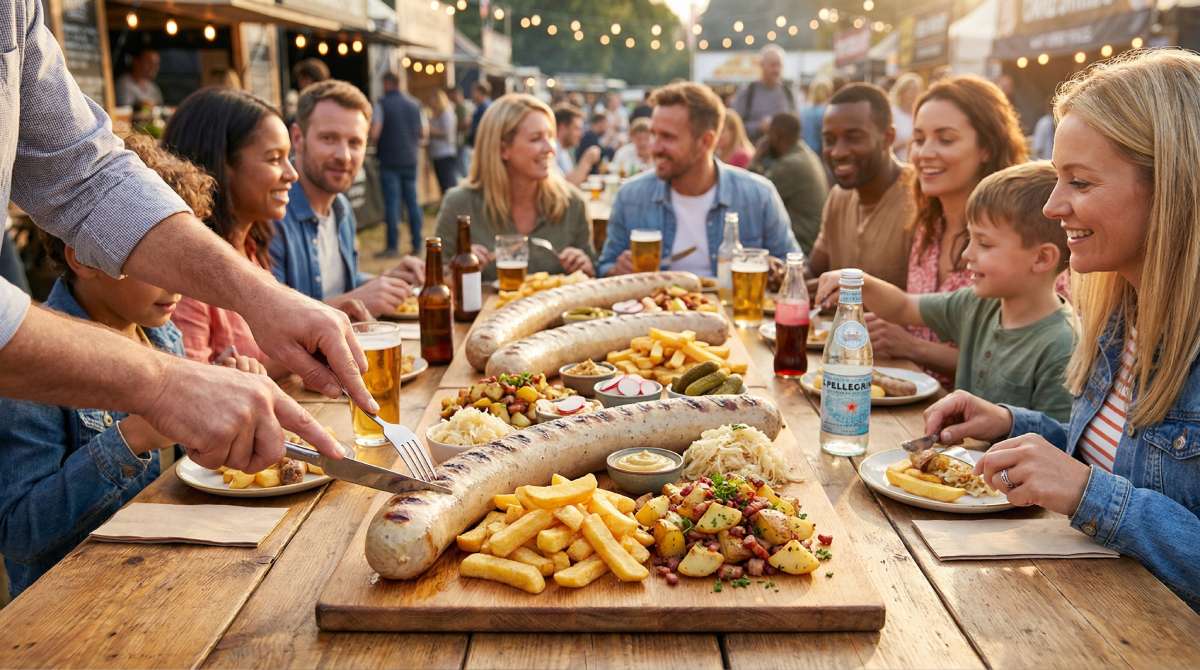
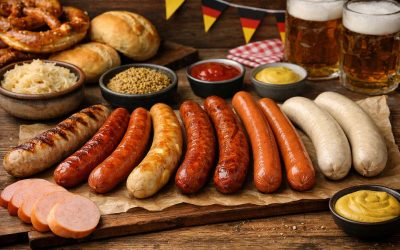
Bespoke German sausages from Sausage Haüs: a giant bratwurst sharing board for pubs, events and food festivals – built for service speed and big-table value.
Introduction
If you want a döner kebab-tasting frankfurter or a 1-metre party bratwurst, you are in the right place. That sounds like a joke, but it is exactly the point of bespoke German sausages: you are not limited to whatever happens to be in the standard range.
Most UK kitchens do not need “more choice”. They need the right choice – a sausage that fits the menu, the margin, and the reality of service. Sometimes that is a bratwurst with a tighter seasoning spec. Sometimes it is a frankfurter with the right snap and colour. Sometimes it is a currywurst-style sausage designed to hold its texture under sauce. And sometimes it is simply the smartest commercial decision: a slightly smaller format that protects portion cost without looking mean on the plate.
This is also where private label German sausages can make sense for retail, farm shops, wholesalers, or multi-site operators that want consistent eating quality and a consistent spec.
Here is how it works in plain terms. You define the outcome: flavour direction, format, casing preference, target weight, pack format, and how it needs to perform (grill, pan, combi oven, hot-hold). Production is handled by Remagen in Germany, and distribution in the UK runs through Baird Foods as part of The Sausage Haus.
And it is not only sausages. Many buyers want fewer suppliers and fewer special-case orders. Where available, we can also help you source the wider German foods that complete the offer – the practical accompaniments buyers ask for again and again.
No hype. Just a straightforward route to getting exactly what you want, then supplying it reliably in the UK.
Key Takeaways
- Bespoke German sausages let you match your menu: flavour, size, casing, and format (hotdog, bratwurst, catering packs, retail-ready).
- You can design for portion cost: set gram weight, pack size, and yield so pricing works in pubs, events, and catering.
- Built for real service: specify how it needs to perform on grill, flat-top, oven, or hot-hold – not just how it tastes on a tasting day.
- One supply route: produced by Remagen (Germany) and distributed in the UK by Baird Foods under The Sausage Haüs range.
- Private label German sausages are possible – but buyers should confirm packaging, labelling, and compliance requirements early.
- Beyond sausages, you can often source authentic German foods that complete the plate (availability depends on product, season, and lead times).
- The fastest quotes happen when you provide a simple spec: target flavour, size/weight, casing preference, intended cooking method, pack format, and volumes.
What “Bespoke German Sausages” Means in Practice
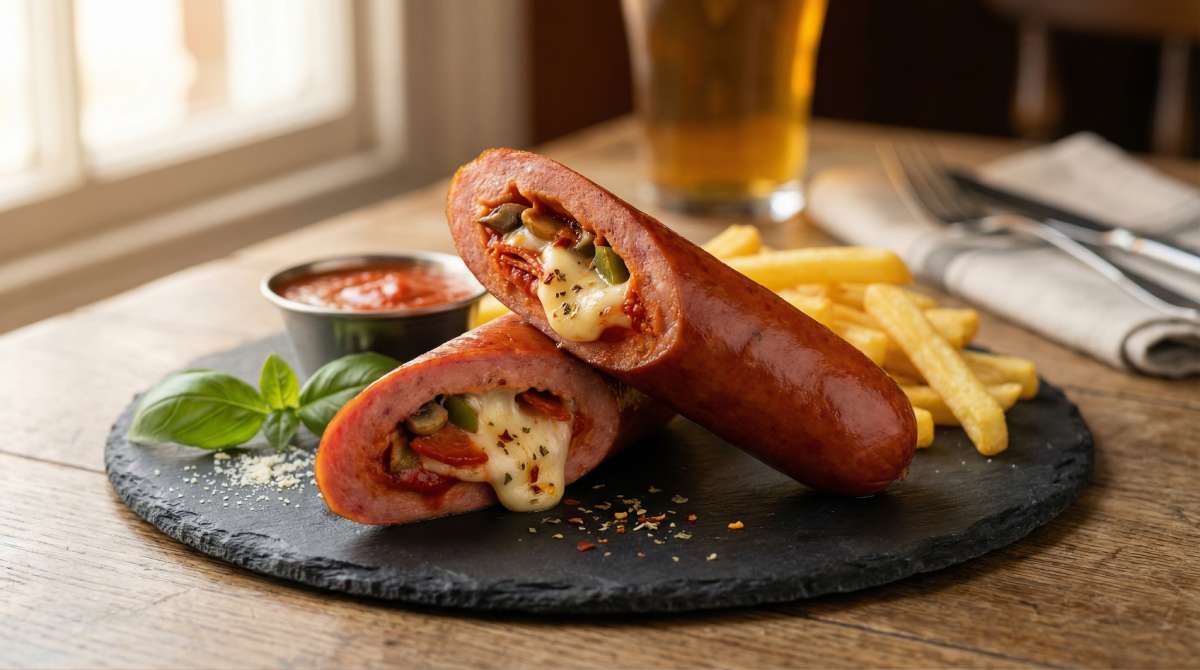
Pizza-style frankfurter, cut to show the filling – a fun example of what bespoke German sausages can look like for pub specials and street-food menus.
“Bespoke” is not a fancy label. It simply means you are not limited to a fixed product list – you define the sausage spec that fits your menu, margins, and service reality.
In practice, most UK trade requests fall into a few sensible buckets. You either want a specific eating experience (the right snap, juiciness, seasoning balance), you need performance on your equipment (grill, flat-top, combi oven, hot-hold), or you are designing around portion cost and consistency across sites. Sometimes it is all three, because kitchens are allowed to be complicated.
Bespoke also matters when you are supplying more than one outlet. A defined spec is what keeps the product consistent week to week, and prevents the “this batch is different” conversation that nobody enjoys.
Operationally, the chain is straightforward: production is handled by Remagen in Germany, and UK distribution runs through Baird Foods as part of The Sausage Haus.
Typical reasons buyers choose bespoke:
- You want a sausage that fits a specific dish (bun line, plated main, currywurst-style under sauce).
- You need a precise size/weight to protect portion cost.
- You want consistent output across pubs, caterers, or multiple sites.
- You are building a signature product (including private label).
What You Can Specify: Flavour, Format, Casing, Weight, Pack Size
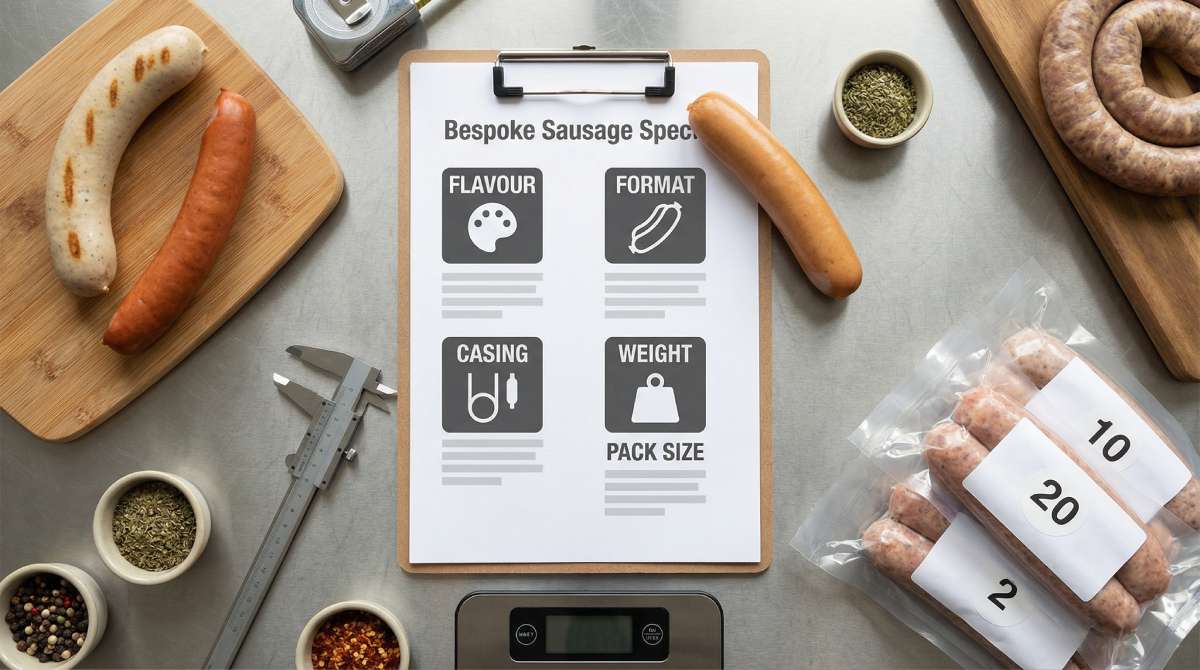
Bespoke German sausages start with a clear spec – flavour, format, casing, weight and pack size – so Sausage Haüs can quote quickly and supply consistently.
The fastest way to a good quote and a sausage you will reorder is clarity. You do not need to write a technical spec. You just need to describe what “right” means for your customers and your kitchen.
Start with flavour. Most briefs are not complicated: “classic bratwurst, not too salty, herb-forward” or “frankfurter with a clean snap and mild smoke note” (where applicable). If you are aiming at a particular topping concept – currywurst sauce, beer onions, even kebab-spice direction – say what it needs to pair with and how punchy it should be.
Then move to format and usage. This is where service speed and customer experience are won or lost. A sausage for a bun line needs different decisions than a plated sausage, and a party length for events is a different beast again (fun, but still a logistical object).
The core spec points you can usually define:
- Flavour direction: style reference, seasoning emphasis, heat level (none, mild, clear chilli).
- Format: hotdog vs plated, straight vs curved, standard link vs longer “showpiece” lengths.
- Casing preference and bite: snap vs softer bite; casing type where options exist.
- Weight and diameter: target gram weight and thickness (direct impact on cook time and portion cost).
- Pack size and handling: pack counts, outer case format, chilled vs frozen preference (where available).
Two practical notes that save time. First, casing and bite are not cosmetic – they change how the sausage eats and how forgiving it is on a busy grill. Second, a small change in gram weight can make portion cost behave without your plate suddenly looking “budget”.
If you have a reference product, that helps. A sentence like “like this, but slightly less salty and a touch more garlic” is more useful than most spreadsheets.
Menu Fit: Pub Classics, Street Food, Events, and Retail
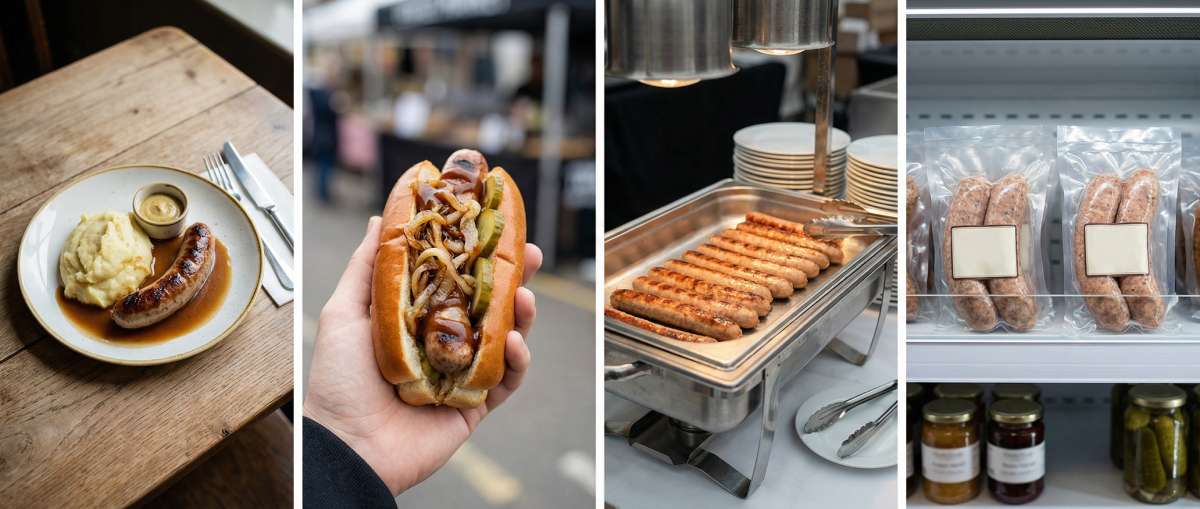
Bespoke German sausages from Sausage Haüs, designed to fit the job: pub classics, street food, events and catering, and retail – one spec, four channels.
A sausage is only “good” if it fits the job. The same product can be brilliant on a plate and annoying in a bun, and retail has its own rules entirely.
For pub kitchens, the sausage needs to perform reliably and look right in service. It should brown well, cut cleanly, and pair sensibly with classic sides and condiments. That is why many pub-led specs focus on consistency and plating logic as much as flavour.
Pub-focused spec priorities often include:
- A size that feels generous but still protects margin.
- A seasoning profile that works with mustard, gravy, beer onions, kraut, chips, potatoes.
- Good behaviour on grill/flat-top without constant babysitting.
Street food is more brutal: speed, bun-fit, and topping tolerance. If you are building a hotdog line, you want the sausage to hold up under sauces and crunchy toppings and still eat cleanly. That is where custom German sausages can be genuinely practical: you design the sausage around the concept instead of forcing a standard product to behave like a different one.
Events and catering add volume and hot-hold into the mix. Nobody wants “batch variation” when you are serving 400 portions. Specs here tend to be about repeatability, predictable cook times, and portion control.
Retail and farm shops are different again. The sausage must sell before it is cooked, so identity and consistency matter. Private label German sausages can work well, but buyers should confirm packaging, labelling, and compliance requirements early (do not assume – verify what applies to your channel and customer).
Across all four routes, bespoke is not about being fancy. It is about controlled specification: a product that fits the channel, protects portion cost, and makes reordering easy rather than a monthly debate.
Performance in the Kitchen: Grill, Pan, Combi Oven, Hot-Hold
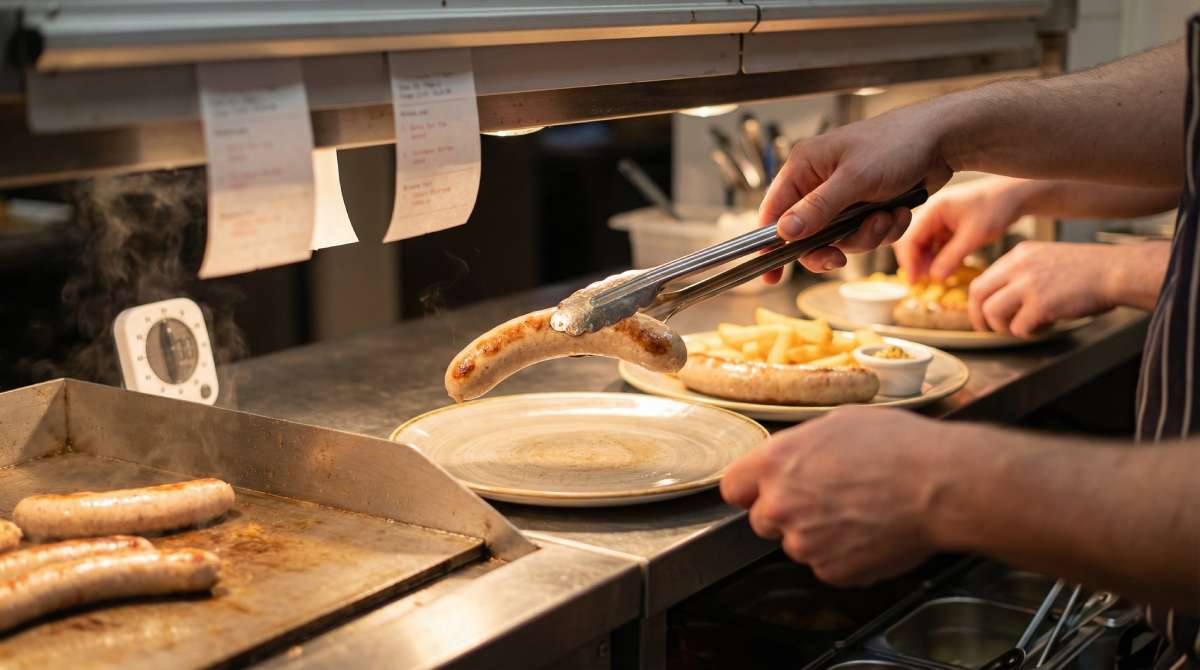
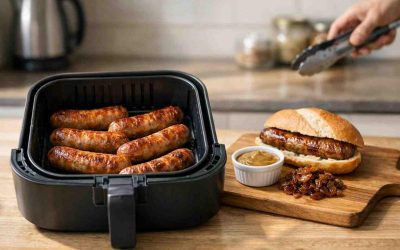
espoke German sausages from Sausage Haüs designed for real service: even browning, intact casing, and consistent results on grill and flat-top.
For UK foodservice, taste matters, but performance is what gets re-ordered. A sausage that looks great in a sample pack can still be a headache when it hits a Friday service, especially if it splits on the grill, dries out on hot-hold, or takes too long to cook through.
This is where bespoke German sausages become genuinely useful. Because you are defining the spec, you can design the product around your cooking method rather than hoping your equipment is “close enough”.
On grills and flat-tops, the common request is simple: even browning, minimal splitting, and predictable cook time. High heat and rushed turning are the usual culprits, but sausage design also plays a role – casing choice, diameter, and the intended fat and moisture balance can all influence how forgiving the product is. If your kitchen runs a fast, high-heat grill, say so upfront. It changes the spec decisions.
Pan cooking is often about control and finish. Many pubs want a sausage that takes colour nicely without needing constant attention, then finishes gently without bursting. If your standard workflow is “sear, then finish covered”, we can work to a spec that behaves well in that pattern.
Combi ovens are increasingly common in production kitchens and higher-volume sites. Here the priority is consistency: even cooking across trays, predictable yield, and a finish that still looks appetising when it comes out. If you plan to regenerate or finish for service, that matters too – explain the full workflow, not only the first cook.
Hot-hold is where weak specs get exposed. If the sausage must sit in a hot-hold, bain-marie environment, or warming drawer, you want it to stay juicy and maintain a decent bite. That does not mean it will sit there forever and stay perfect – nothing does – but you can design custom German sausages to be more resilient for the holding times you actually use.
What to tell us so we can spec it properly:
- Your main cook method (grill, pan, combi oven) and whether you finish or regenerate
- Typical service pressure (steady trade vs big spikes)
- Whether hot-hold is part of the plan, and for roughly how long
- Any known failure points (splitting, drying, slow cook time, inconsistent browning)
That is how bespoke sausage manufacturing UK buyers get the product that works in real kitchens, not only in theory.
Portion Cost and Margin: Designing the Sausage to Hit Your Numbers
Most buyers do not need a “better sausage”. They need a sausage that makes commercial sense when it is sold 200 times a week.
Portion cost is where bespoke German sausages often pay for themselves. A small change in weight or diameter can protect GP without your plate suddenly looking mean. You can also design the format to match the menu price point: pub main, hotdog line, lunch special, kids menu, or event portion.
The key is to work backwards from the numbers and the service format. If you know your target plate cost, your selling price, and what else is on the plate, you can choose a sausage size that hits the right customer perception and the right margin. Sometimes the best move is not “bigger”. It is “right-sized”, with consistent weight so every portion looks the same.
Pack format matters here too. If your explanation is “we always end up with two sausages left and they die in the fridge”, that is not a cooking issue – it is a pack-size issue. German sausage supplier UK conversations often focus on price per kilo, but kitchens feel waste, handling time, and forecasting errors much more directly.
A practical way to frame it is:
- What is the dish (bun, plated main, catering portion)?
- What is the target portion cost range?
- What is the visual expectation (one large sausage, two smaller, sliced and served)?
- How consistent does it need to be across sites or shifts?
From there, custom German sausages can be designed around weight, diameter, and pack format so the product is profitable and operationally tidy. No miracles, just fewer unpleasant surprises on the P&L.
Private Label German Sausages: What Buyers Need to Confirm Early
Private label German sausages can be a strong move for retailers, farm shops, wholesalers, and multi-site operators. Done well, it gives you a product that looks like yours, eats like you want it to, and can be ranged without relying on a generic brand story.
But private label has one rule: confirm the boring details early, or they will become very exciting later.
Start with packaging format. Are you selling chilled retail packs, frozen, foodservice outer cases, or a mix? Do you need specific pack weights, counts, or case configurations? A private label line also needs decisions on shelf presentation, storage constraints, and how the end customer will cook it.
Labelling and compliance need careful handling. Requirements vary by channel and product type, and you should not assume anything. Confirm what is required for your route to market, including ingredients listing, allergens, storage instructions, country-of-origin statements, and any other mandatory information. If you want to make claims, verify what is permitted and what evidence is needed. Do not guess – check.
Then there is specification control. For private label German sausages, you are effectively choosing consistency as the product. That means agreeing the key sensory targets (flavour profile, bite, casing, size) and the practical performance targets (cook method, hot-hold behaviour) so the product stays stable across orders.
Finally, there is the supply chain reality. Lead times, order volumes, and forecasting matter more with private label because you are building a ranged item, not a one-off special. This is where it helps that production is with Remagen in Germany and distribution is handled in the UK through Baird Foods under The Sausage Haüs range – it gives buyers a clearer route from spec to supply, with trade-focused logistics.
What buyers should confirm early for private label:
- Pack format, storage format, and case configuration
- Labelling and compliance requirements for the intended channel
- Agreed product spec (size, flavour, casing, cooking performance)
- Forecast volumes and ordering rhythm (to keep supply smooth)
Private label is very doable. It just rewards the buyers who treat it like a commercial project rather than a last-minute design exercise.
Beyond Sausages: Authentic German Foods You Can Source Alongside
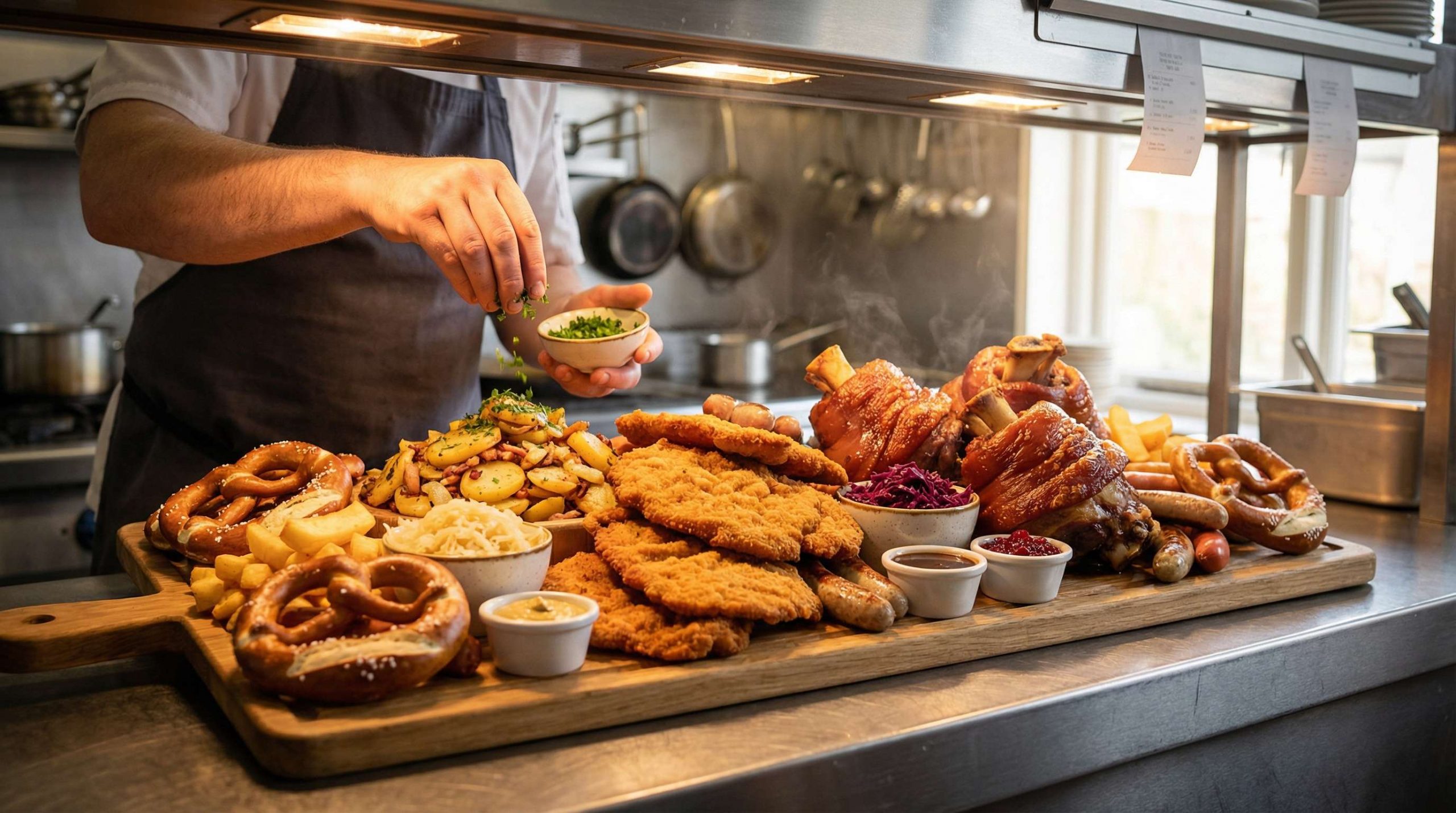
A pub-pass sharing platter that goes beyond sausages: schnitzel, pork knuckles, pretzels and classic sides – plus bespoke German sausages from Sausage Haüs.
Most trade customers come to us for bespoke German sausages, then ask the next obvious question: “Can you get the proper German bits as well?” Often, yes – and it is usually the difference between a menu item that feels like a one-off and an offer that feels coherent.
If you are running a pub special, a street-food line, or a retail feature, custom German sausages land better when the accompaniments match. The practical benefit is not romance, it is buying efficiency. Fewer suppliers, fewer delivery slots, fewer “we ran out of the mustard so we used ketchup” moments.
What can be sourced varies by availability and season, so we do not list promises we cannot keep. But in general, UK trade buyers commonly ask for the things that complete German sausage dishes: the condiments, the sides, and the classic add-ons that customers actually expect. If you are a wholesaler building a German range, or a chef planning a rotating “German week”, it helps to talk about the full basket early rather than treating food as an afterthought.
This is also where a German sausage supplier UK buyers can rely on becomes useful beyond the sausage itself. If you are already working with bespoke sausage manufacturing UK plans, it is worth aligning your German foods wholesale UK needs at the same time so your pricing, ordering rhythm, and delivery schedule stay simple.
Practical note: availability, brand choices, and pack formats should always be confirmed at quotation stage. If a specific product is non-negotiable, say so upfront.
How the Supply Chain Works: Remagen Production, UK Distribution via Baird Foods
Here is the simple version, with no mystery theatre.
Production of bespoke German sausages is handled by Remagen in Germany. That is where custom German sausages are made to the agreed spec – flavour profile, format, casing preference, weight, and pack configuration. Once produced, the UK distribution runs through Baird Foods as part of The Sausage Haus range.
For buyers, this matters because it frames accountability and process:
- Remagen is the production partner for bespoke sausage manufacturing UK customers are commissioning (even though the manufacturing is in Germany).
- Baird Foods is the practical UK distribution route for the Remagen sausages UK distributor setup – ordering, delivery, and trade supply rhythm.
- The Sausage Haüs is the commercial “front explainers” layer: translating what kitchens and buyers need into a spec that can be produced and supplied.
If you are comparing German sausage supplier UK options, ask any supplier to explain their chain in plain language. You want to know who makes it, who holds stock (if relevant), and who actually delivers to your door. If anyone gets vague at that point, that is useful information too.
Lead Times, Minimum Orders, and Forecasting: Avoiding Last-Minute Panic
Bespoke German sausages are not difficult, but they do punish last-minute thinking. The more specific the product, the more important it is to prevent “we need it for next Friday” becoming the plan.
Lead times and minimum orders vary depending on the spec, pack format, and volume. That is normal in bespoke sausage manufacturing UK supply projects. The practical point is to forecast your first few runs rather than treating it as a one-off. If you are a pub group rolling out a menu item, a caterer with seasonal peaks, or a wholesaler ranging private label German sausages, it is worth planning the first three orders in one go.
A simple forecasting approach that works for most UK kitchens and trade buyers:
- Start with realistic weekly usage (by site, if multi-site).
- Add a buffer for spikes (bank holidays, events, football weekends, promotions).
- Decide the pack format that reduces waste in your operation.
- Set a reorder trigger before you are down to panic levels.
If you are also sourcing German foods wholesale UK items alongside the sausages, forecast those together. Condiments and sides often run out first, and then the sausage gets blamed for a problem it did not create.
Bottom line: bespoke and custom German sausages are easiest when you treat them like a ranged product with a rhythm, not like a special request.
Your Fast-Quote Checklist: The 10 Details We Need From You
If you want a fast, accurate quote for bespoke German sausages, this is what makes it quick. The more of this you provide, the less back-and-forth you need.
- Sausage style reference (bratwurst, frankfurter, currywurst-style, etc.)
- Flavour direction (mild vs punchier, key seasonings, heat level)
- Format and use case (bun line, plated main, events, retail pack)
- Target weight and diameter (portion control and cook time)
- Casing preference and bite (snap vs softer bite; where options exist)
- Cooking method (grill, pan, combi oven) and whether hot-hold is required
- Pack format (pack count, outer case format, chilled vs frozen preference where available)
- Volume expectations (first order estimate, then typical weekly/monthly usage)
- Route to market (pub kitchen, caterer, wholesaler, retailer) – affects spec and pack decisions
- Any non-negotiables (must match a reference product, allergen constraints, specific label needs for private label German sausages)
Send those details and you will get a much cleaner answer – whether you are buying custom German sausages for a pub menu, building private label German sausages for retail, or acting as a German sausage supplier UK wholesaler to your own customers.
Case study: Costco – spec-first hotdog, priced to move
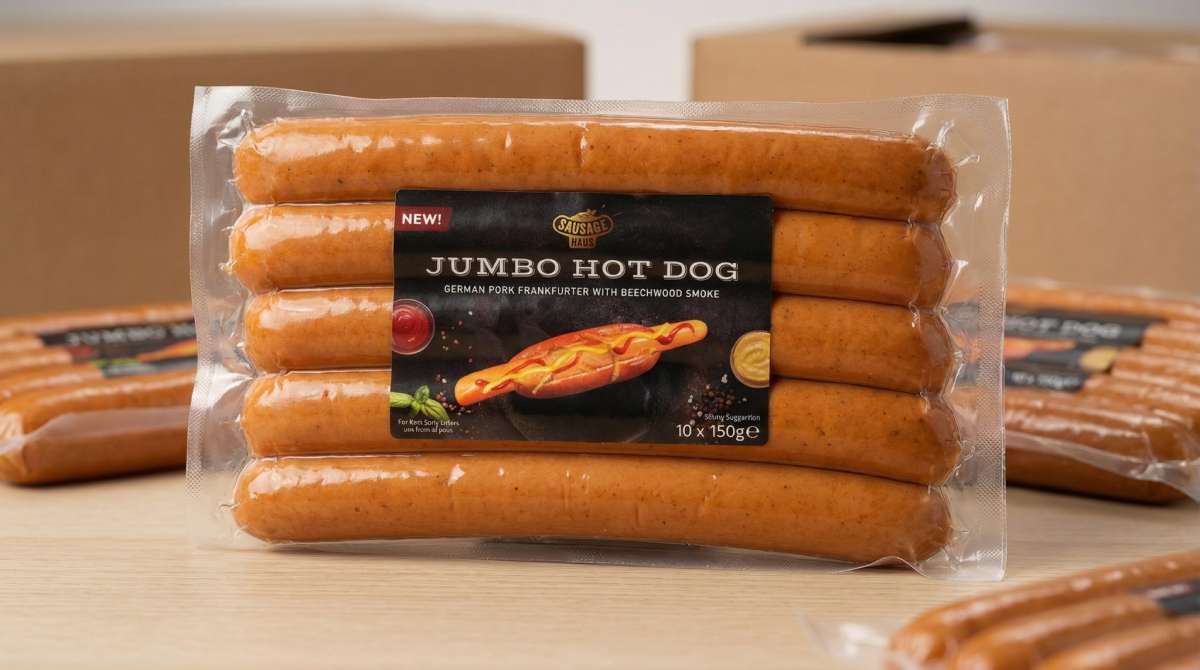
Sausage Haüs Jumbo Hot Dog – 10 x 150g pack (Costco format).
Costco does not buy on vibes. They buy on a tight brief: a pork hotdog that hits a specific flavour profile, performs consistently, and lands at a price point that makes sense for high-volume retail.
That is exactly how the Sausage Haüs Jumbo Pork Hotdog was built. The product was developed to deliver a bold, German-leaning taste while still working for real-world use: easy to cook, consistent portioning, and reliable eating quality across packs. In other words, it had to satisfy both the commercial buyer and the person who just wants a hotdog that does not disappoint.
The outcome is the part trade customers care about: the product is now live at Costco UK.
On the commercial side, the pricing format illustrates the logic. It has been promoted in a value-driven multi-pack (for example, a 10 x 150g pack has been advertised at a sharp headline price, although retail prices can change by warehouse and over time).
On the customer side, it is getting visible traction in the places that matter for retail reality: shoppers are spotting it, discussing it, and buying it.
Why this matters for pub kitchens, caterers, wholesalers, and retailers: Costco is effectively a stress test for specification-driven supply. If a pork hotdog can meet that kind of brief – flavour, consistency, and price discipline – it is a strong proof point for what bespoke German sausages and trade-ready German products can look like when the spec is clear and the volumes are real.
Frequently Asked Questions
Often we can help beyond sausages, depending on availability and pack formats. Many customers align German foods wholesale UK items (condiments, sides, classic accompaniments) alongside sausages to keep ordering simple and the menu offer coherent.
Yes, that is a common use case for bespoke German sausages. The key is to define what it needs to pair with (sauce, toppings, bun), how punchy the seasoning should be, and how it must perform in service (speed, holding, texture under sauce).
Yes, private label German sausages can be done. Buyers should confirm packaging format, labelling and compliance requirements for their channel early, plus agree the product spec (size, flavour, casing/bite, and cooking performance) so repeat orders stay consistent.
Yes – and that is where a defined spec matters most. Events typically prioritise consistent sizing, predictable cook times, and hot-hold resilience. We will ask about your service setup so the product is designed for volume rather than tasting-table conditions.
Portion cost is usually controlled through weight and diameter choices, plus pack formats that reduce waste. A small change in gram weight or format can often protect margin without making the plate look smaller.
Production is handled by Remagen in Germany. UK distribution is via Baird Foods as part of the Sausage Haüs range. For buyers, that means clear responsibility for production and a practical UK trade supply route for ordering and delivery.
n practice, they are the same idea. “Bespoke German sausages” usually implies a clearer spec process; “custom German sausages” is a more general term. Either way, the goal is a product designed for your menu and service realities.
It means the sausage is made to an agreed spec rather than taken from a fixed list. You define the outcome (flavour direction, format, casing/bite, weight, pack size, and intended cooking method), and we work that into a production-ready brief.
The fastest quotes come from a short checklist: style reference, flavour direction, format/use case, target weight/diameter, casing/bite preference, cooking method (and hot-hold if relevant), pack format, volumes, route to market, and any non-negotiables (including private label needs).
It depends on the exact spec, pack format, and volumes. Bespoke sausage manufacturing UK buyers request typically works best with forecasting and a planned ordering rhythm, rather than last-minute “we need it next week” requests. The quickest way to confirm is to share your spec and expected volumes so realistic timelines and MOQs can be set.
Conclusion
Bespoke German sausages are not about “being fancy”. They are about control. When you can specify flavour direction, format, casing, weight, pack size, and kitchen performance, you stop forcing a standard product to do a job it was never designed for. That is how custom German sausages become commercially useful: the sausage fits the menu, holds up in service, and supports portion cost rather than fighting it.
For UK trade buyers, the practical win is confidence. A clear spec makes ordering simpler, output more consistent, and forecasting easier – whether you are running a pub kitchen, catering at volume, ranging for retail, or supplying as a wholesaler. If private label German sausages are the goal, the same rule applies: confirm the packaging, labelling, and compliance requirements early, then build a product that can be repeated without surprises.
And if you want more than sausages, aligning German foods wholesale UK items alongside the sausage spec can make the whole offer easier to buy and easier to run in service.
If you are considering bespoke sausage manufacturing UK supply for 2026, the quickest next step is simple: send us your use case and the fast-quote checklist. We will tell you what is realistic, what needs confirming, and what the best route looks like for your volumes and channel.
About Sausage Haüs
The Sausage Haüs is a UK trade-focused German sausage specialist, supplying pubs, chefs, caterers, buyers, wholesalers, and retailers who want products that perform reliably in real service. Our standard range covers popular German favourites, but we are also set up for bespoke German sausages – from small format changes that protect portion cost to fully custom German sausages built around your menu concept, service method, or retail brief.
Production is handled by Remagen in Germany, and the Sausage Haüs range is distributed in the UK via Baird Foods. That supply chain matters because it combines German production capability with practical UK delivery and trade support.
We keep things straightforward: clear specs, commercially sensible formats, and honest guidance on what should be confirmed early (especially for private label German sausages, where packaging, labelling, and compliance requirements need to be checked for your channel). If you want a German sausage supplier UK buyers can use with confidence, you are in the right place.