A bratwurst in a roll is an easy sell at Oktoberfest. The more interesting question for a British pub is what that same sausage could do on a wet Tuesday lunchtime, a sunny Saturday in the beer garden or a Friday evening when the kitchen is already busy.
There’s a case for German sausages on the year-round pub menu. A pork bratwurst can anchor a warm potato salad or a plate of mash and onion gravy. A smoky frankfurter can become a currywurst bar snack that’s substantial enough to order with a pint. Both give customers something familiar enough to order at a glance, with a flavour that earns a line of its own on the menu.
Where German sausages can earn a place on a British pub menu
Start with a gap in the menu. A wet-led pub with a short food offer might find more use for a hot snack that one person can order with a pint than for another full main. A village pub with steady weekday lunches may get more from a warm bratwurst and potato salad. And a pub with a big garden might need a handheld dish that’s easy to eat outdoors and easy for staff to carry out in multiples.
Look at what customers already order at that time of day. If the only hot options at lunch are a burger and chips or a full main, a smaller bratwurst plate gives people another reason to order food. If your bar snacks already sell well, a sausage dish has to give customers a reason to choose it over the next round of chips.
The wording on the board can do some of that work. Smoked frankfurter, curry tomato sauce and chips tells customers what they’re getting, even if they’ve never ordered currywurst. Pork bratwurst, warm potatoes and pickled red onion gives a clear idea of both flavour and portion. Put the details people use to make a decision where they can see them.
Which German sausage suits which dish?
A pork bratwurst is a good first choice if you want to use one sausage across lunch and dinner. Serve it whole with mash and gravy or slice it across a warm potato salad. For a roll, test the sausage against the bread you actually buy. A generous overhang can look the part, but the roll still has to hold together once the onions and mustard go in.
A smoked frankfurter works when you want the sausage flavour to come through against a punchier sauce. Try it in currywurst or pair it with sharp pickles and sweet onions in a roll. Taste it in the finished dish. A sausage with the right balance on its own can feel too salty once you add pickles and a heavily seasoned sauce.
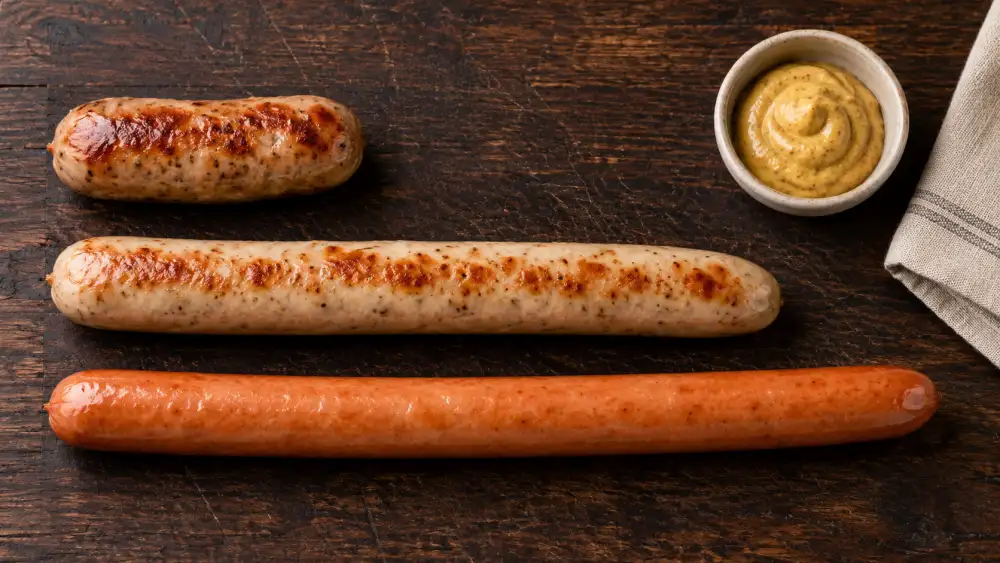
Smaller sausages suit sharing plates and lighter portions. The traditional three-sausage roll described by Nuremberg’s tourist board1 is a good example of how several small sausages can make a recognisable dish.
Before ordering a case, compare the cost of the portion you’ll actually serve. Check the piece weight, pieces per pack and pack size against expected sales. A sausage that’s cheaper by the kilo can still cost more on the plate if you need an extra piece to make the serving feel right.
From a pint and a snack to a proper main
Currywurst with chips for the bar
Slice a smoked frankfurter, spoon over a warm curry tomato sauce and serve with a small portion of chips. It’s a dish people can eat with a fork while they’re having a drink. Make the sauce tangy enough to cut through the sausage and thick enough to cling to it. The visitBerlin guide to the city’s currywurst2 describes the street-food dish this pub version draws on.
Warm bratwurst and potato salad for a lighter lunch
Toss warm new potatoes with cider vinegar, rapeseed oil and spring onions. Add sliced bratwurst, pickled red onion and a handful of watercress. The warm potatoes and sausage make it a satisfying lunch, while the sharp dressing keeps the plate fresh. It also gives the kitchen a hot lunch order that can go out without a trip to the fryer.
Bratwurst with apple slaw for the beer garden
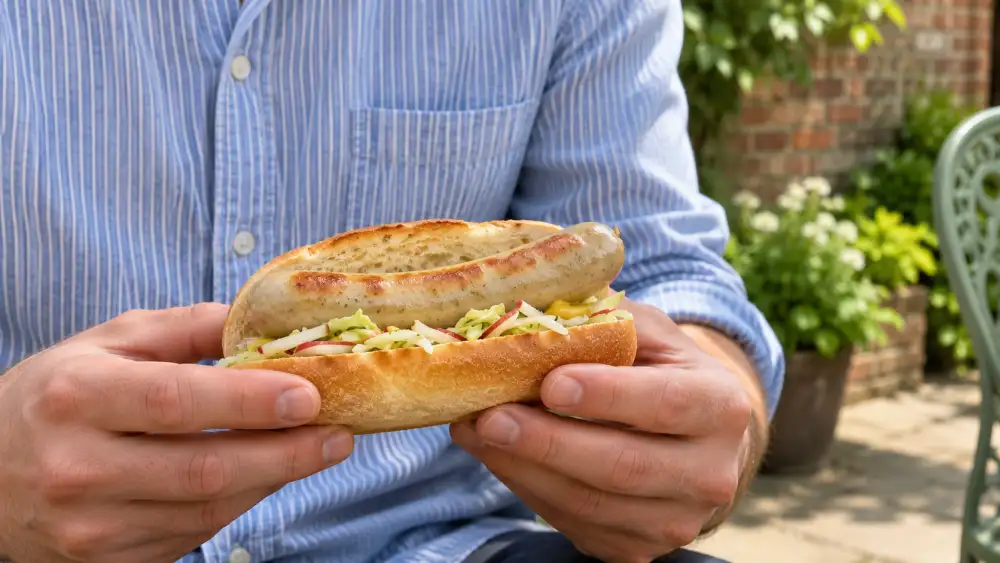
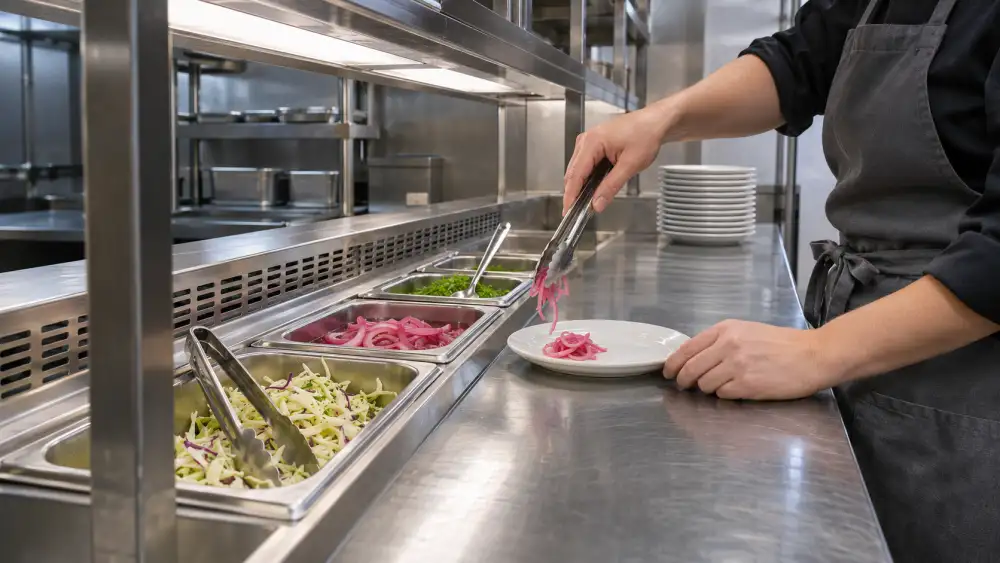
Put a grilled pork bratwurst in a toasted roll with apple and cabbage slaw and a little mustard. Drain the slaw before service and portion it with tongs so the bottom of the roll stays intact. Offer chips as a separate side if that fits your menu. The person who wants a quick bite and the person who came for lunch can order the same roll.
Bratwurst, mash and onion gravy for colder days
Give the sausage a plate people already know how to order. Buttery mash, slow-cooked onions and a spoonful of sharp braised cabbage work well with pork bratwurst. If mash and gravy are already on the menu, this is a straightforward evening special to trial. Plate one before printing the board so you can judge whether the portion looks right at the planned price.
What happens when the orders come in together?
Time the dish alongside the orders you normally see at peak service. One bratwurst roll on an empty griddle tells you very little about six rolls arriving alongside burgers and two orders of fish and chips. If fryer space is already tight, the warm potato salad may be a better lunch special than currywurst and chips, even if both take about the same time to assemble.
Check whether the sausage is supplied raw or pre-cooked and follow the product instructions and your food safety procedures. If you plan to hot-hold any component, check how you’ll monitor it and how well it eats after holding. The GOV.UK guidance on cooking, reheating and keeping food hot3 covers the checks to build into service.
Walk through the whole order with the person who will run the station. If one cook has to leave the griddle to find slaw in the walk-in, slice buns and fetch a clean sauce jug, the apparent simplicity disappears. Put the portions, utensils and garnishes where they’ll be used, and write a short plating spec the weekend team can follow.
Then eat the dish after it’s taken its usual journey to the customer. A roll that holds together at the pass may soften on the way to the far end of the beer garden. That’s a good reason to adjust the build before changing the sausage.
How to change the menu with the seasons without adding to the prep list
Build the dish around what the kitchen already buys and preps. If cabbage comes in for a Sunday side, it can also give you the base for a summer slaw. If roast onions are already on the prep list for gravy, set aside a portion for a bratwurst roll. A seasonal change is easier to carry when the ingredients have somewhere else to go on a quiet day.
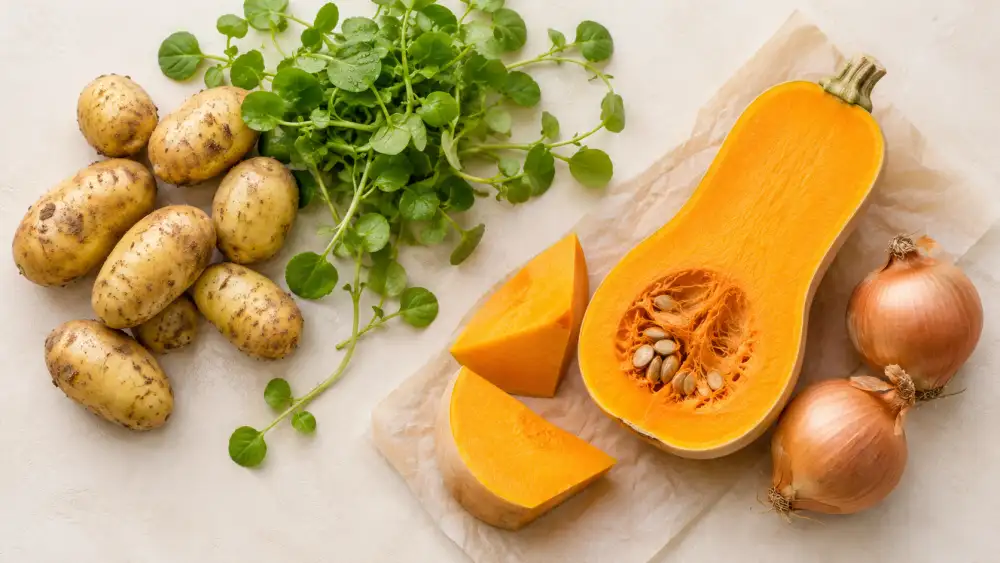
Give each dish one clear change for the season. A spring plate might use new potatoes and watercress. In autumn, the same sausage could go with roast squash, onions and a cider dressing. Both feel like different dishes to the customer. The kitchen keeps the same sausage and can build each version around ingredients it already uses.
Record every change in the recipe and check the supplier information for the ingredients involved. A different roll, bought-in slaw or change of mustard can alter the dish’s allergen information. The Food Standards Agency’s best practice guidance on allergen information for non-prepacked food4 recommends making written information available and supporting it with a conversation. Update the information staff use before the revised dish goes on sale.
What does the dish earn after food costs?
Cost the portion you’ll put in front of a paying customer. For a bratwurst roll, count the sausage, roll, onions, sauce, garnish and any side that comes with it. Use the amount your team actually serves. Weigh a few portions during the trial if the slaw or chips tend to get more generous as service goes on.
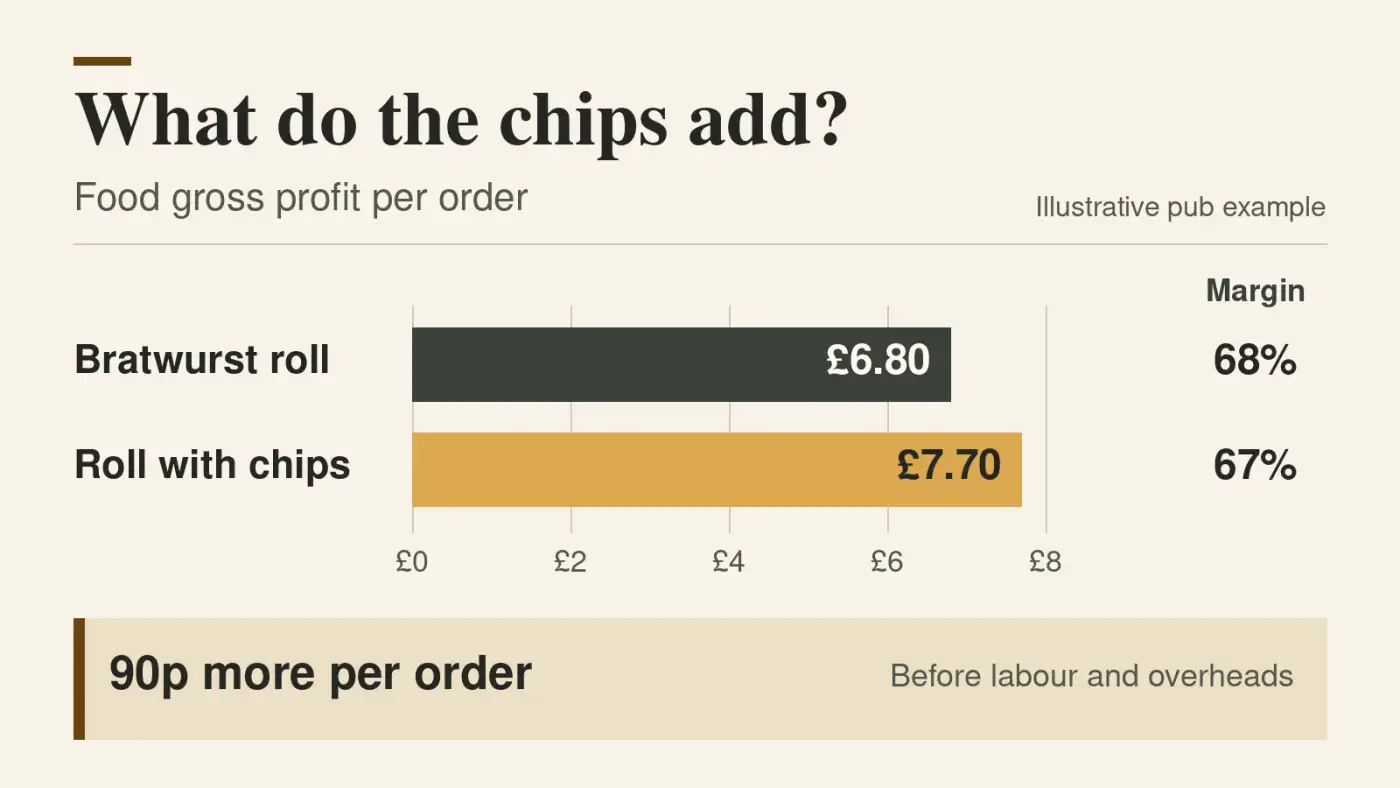
Here’s an illustrative pub example. A £12 bratwurst roll leaves £10 in sales excluding VAT, assuming the 20% standard rate applies. With £3.20 in ingredient costs, it makes £6.80 in food gross profit per serving, or 68%, before labour and overheads. Check HMRC’s guidance on VAT for catering and takeaway food5 if you sell the dish in different settings.
Now put that alongside a £13.80 version with chips and £3.80 in ingredients. That version makes £7.70 in food gross profit at about 67%. It earns 90p more per order even though its margin percentage is slightly lower. Whether that’s worth it depends on how much people value the side and what else the fryer needs to do during the rush.
Compare both figures with the dish the new special might displace. If customers would otherwise buy another main, look at the difference in gross profit and the work each order creates. A bar snack bought by someone who usually orders only a drink is a different sale.
How to run a specials-board trial that tells you something
Pick one dish and one service you want to improve. If your aim is to sell more weekday lunches, start with the warm bratwurst and potato salad. If your aim is to find a hot bite that sells between lunch and dinner, put currywurst on the bar menu in that window. Give staff a simple way to describe it and run it over comparable services so a sunny bank holiday carries less weight in the decision.
Record portions sold, portions left and what else was selling at the same time. Ask whoever ran the pass where the dish caused a delay, if it did. If half the slaw batch came back to the kitchen untouched, count that cost as part of the trial. The Guardians of Grub food waste tracking calculator6 is useful if you want to put a cash figure on what gets thrown away.
Use the results to decide what to change. A dish that sells and slows down service may need a simpler finish. One that sells strongly as a bar snack and weakly as a full main may have found its place on the smaller menu. If it sells out early, record when it happened so you can distinguish limited stock from limited demand when you review sales.
Frequently Asked Questions
It can sit alongside them if it has a clear job of its own. Keep the butcher’s sausages in your established bangers and mash, especially if regulars order it by name. Give the bratwurst a different slot, such as a toasted roll with sauerkraut and mustard on the Saturday lunch board. That gives you a better read on whether it brings in orders the existing menu would have missed.
Yes. A few small bratwursts can sit alongside eggs, mushrooms and toast without taking over the plate. If your full English already has a following, try the bratwurst in a separate breakfast bap with a fried egg and browned onions. That gives brunch customers a distinct option and uses ingredients the kitchen already has on the go.
It can work for tables that order snacks together. Start with two sausages you already buy, slice them for sharing and serve with one sharp pickle, one dip and bread. Put a serving guide on the menu, such as “for two to share”, so customers know what they’re ordering and staff can judge whether a larger table needs another plate.
Yes, if the bar already stocks a beer that suits the dish and staff can explain the match in a sentence. Try a crisp pilsner with a smoky frankfurter or a pale ale with a pork bratwurst and mustard. Taste the beer alongside the finished dish. A sweet curry sauce or a sharp pickle can change which pairing works best.
Start with a bratwurst roll with drained toppings and a sturdy bun. If you offer currywurst with chips, pack the chips separately to keep them out of the sauce. Eat a test order after the time a customer would typically spend getting home. You’ll quickly see whether the bread softens, the sauce leaks or the dish needs a different build for collection.
Keep the recipe and portion fixed, then compare similar services at each price. Track orders and total food gross profit per 100 covers so differences in footfall carry less weight. Check what happened to comparable dishes, too. If customers switched to a main with a lower gross profit, the price rise may have cost the pub money even though each bratwurst sold earned more.
Conclusion
German sausages deserve a look when you plan your 2027 pub menu because they fit several occasions that pubs already serve. Bratwurst can give the lunch menu a warm, lighter plate and work with mash and gravy in the evening. A smoky frankfurter with curry tomato sauce can give the bar something hot to sell alongside a pint. Each dish has a clearer case when it fills a particular gap.
For a first trial, pick the service that would benefit most and taste a sausage in the dish you’ll actually put on the board. Check the whole portion cost, then serve it through an ordinary shift and a busy one. The £6.80 on the costing sheet is only part of the decision. The team also needs to deliver a plate that arrives in good condition without holding up the orders around it.
If you’re weighing up where to start, talk to The Sausage Haus about the dish you want to serve, your expected portions and the equipment you already have. That gives you a practical basis for choosing a sausage and pack format to trial.
The Sausage Haüs
The Sausage Haus brings authentic German-style sausages to the UK market through a partnership between Hardy Remagen and Baird Foods.
Hardy Remagen is a long-established German producer with deep experience in traditional sausage making, continental meat products and modern food manufacturing. The range reflects the kind of products German shoppers already understand and enjoy: Bratwurst, Frankfurters, smoked hotdogs, cheese-filled sausages, Bockwurst, Weisswurst and other classic German-style lines.
In the UK, the range is represented and distributed by Baird Foods, giving retailers, wholesalers, caterers and foodservice operators access to German sausage products with a practical UK supply route. This combination is important: German manufacturing knowledge on one side, UK market understanding and distribution on the other.
For retail buyers, The Sausage Haus range offers a clear way to add something different to both chilled and frozen sausage fixtures. The products are built around real eating occasions: BBQs, premium hotdog nights, family meals, German street food, Oktoberfest promotions, Christmas market food and quick comfort meals at home.
The result is a range that gives shoppers something more distinctive than ordinary sausages and standard hotdogs, while giving buyers a compact, commercially useful product story with strong fresh and frozen potential.
References
Nuremberg Convention and Tourist Office. "3 im Weggla".
VisitBerlin guide to the city’s currywurst.
UK Government. Food hygiene for businesses. GOV.UK. Updated June 25, 2026.
UK Government. Catering, takeaway food (VAT Notice 709/1). GOV.UK. Updated June 8, 2026.
Guardians of Grub. FOOD TRACKING CALCULATOR • Guardians of Grub. Updated February 27, 2023.